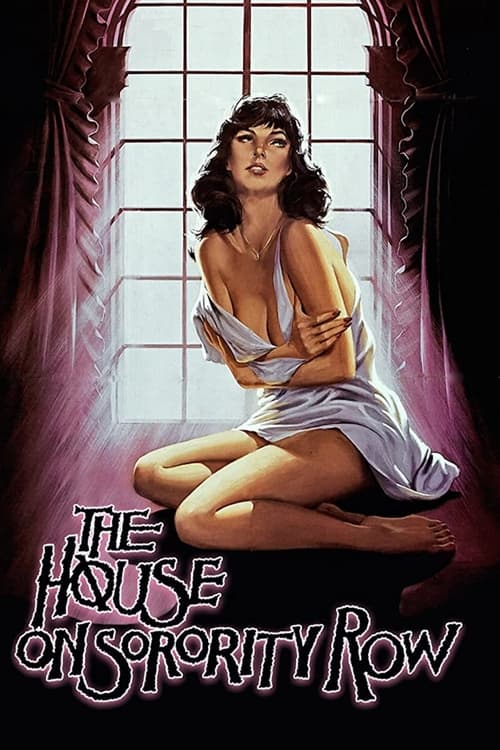
The House on Sorority Row
When the senior sorority sisters of Theta Pi decide to do in their demented house mother, someone seeks revenge, and begins a night of terror and madness.
Despite its shoestring budget of $425K, The House on Sorority Row became a commercial juggernaut, earning $10.6M worldwide—a remarkable 2395% return. The film's unique voice attracted moviegoers, illustrating how strong storytelling can transcend budget limitations.


Plot Structure
Story beats plotted across runtime


Narrative Arc
Emotional journey through the story's key moments
Story Circle
Blueprint 15-beat structure
Arcplot Score Breakdown
Weighted: Precision (70%) + Arc (15%) + Theme (15%)
The House on Sorority Row (1982) showcases meticulously timed story structure, characteristic of Mark Rosman's storytelling approach. This structural analysis examines how the film's 15-point plot structure maps to proven narrative frameworks across 1 hour and 31 minutes. With an Arcplot score of 7.2, the film balances conventional beats with creative variation.
Structural Analysis
The Status Quo at 1 minutes (1% through the runtime) establishes Seven sorority sisters prepare for their graduation party at their house, excited about their future and final celebration together. They are carefree college students on the verge of entering adulthood.. Structural examination shows that this early placement immediately immerses viewers in the story world.
The inciting incident occurs at 10 minutes when Vicki proposes a dangerous prank to scare Mrs. Slater with a gun loaded with blanks. The plan is to humiliate her into leaving so they can have their party, disrupting their normal world with a risky scheme.. At 11% through the film, this Disruption aligns precisely with traditional story structure. This beat shifts the emotional landscape, launching the protagonist into the central conflict.
The First Threshold at 21 minutes marks the transition into Act II, occurring at 24% of the runtime. This demonstrates the protagonist's commitment to The prank goes horribly wrong when Mrs. Slater is accidentally shot and killed. The girls make the active choice to cover up the death by hiding her body in the pool, crossing into a world of guilt and murder., moving from reaction to action.
At 45 minutes, the Midpoint arrives at 49% of the runtime—precisely centered, creating perfect narrative symmetry. The analysis reveals that this crucial beat The first sister is murdered during the party. What seemed like paranoia becomes deadly reality - someone knows what they did and is hunting them. The stakes shift from guilt to survival., fundamentally raising what's at risk. The emotional intensity shifts, dividing the narrative into clear before-and-after phases.
The Collapse moment at 66 minutes (73% through) represents the emotional nadir. Here, Katey discovers most of her friends are dead and realizes the killer is Eric, Mrs. Slater's deformed son, who witnessed everything. Her support system has collapsed and she's alone with a vengeful killer., illustrates the protagonist at their lowest point. This beat's placement in the final quarter sets up the climactic reversal.
The Second Threshold at 73 minutes initiates the final act resolution at 80% of the runtime. Katey realizes she must stop running and face Eric directly. She accepts responsibility for what happened and chooses to fight back rather than become another victim of their crime., demonstrating the transformation achieved throughout the journey.
Emotional Journey
The House on Sorority Row's emotional architecture traces a deliberate progression across 15 carefully calibrated beats.
Narrative Framework
This structural analysis employs structural analysis methodology used to understand storytelling architecture. By mapping The House on Sorority Row against these established plot points, we can identify how Mark Rosman utilizes or subverts traditional narrative conventions. The plot point approach reveals not only adherence to structural principles but also creative choices that distinguish The House on Sorority Row within the horror genre.
Mark Rosman's Structural Approach
Among the 2 Mark Rosman films analyzed on Arcplot, the average structural score is 7.3, reflecting strong command of classical structure. The House on Sorority Row takes a more unconventional approach compared to the director's typical style. For comparative analysis, explore the complete Mark Rosman filmography.
Comparative Analysis
Additional horror films include Thinner, A Nightmare on Elm Street and Mary Reilly. For more Mark Rosman analyses, see A Cinderella Story.
Plot Points by Act
Act I
SetupStatus Quo
Seven sorority sisters prepare for their graduation party at their house, excited about their future and final celebration together. They are carefree college students on the verge of entering adulthood.
Theme
Mrs. Slater, the strict house mother, warns the girls that their pranks and irresponsible behavior have consequences, foreshadowing the film's central theme: actions have deadly repercussions.
Worldbuilding
Establishment of the sorority house dynamics, relationships between the seven sisters, and growing tension with tyrannical house mother Mrs. Slater who threatens to cancel their graduation party.
Disruption
Vicki proposes a dangerous prank to scare Mrs. Slater with a gun loaded with blanks. The plan is to humiliate her into leaving so they can have their party, disrupting their normal world with a risky scheme.
Resistance
The girls debate whether to go through with the dangerous prank. Katey expresses reluctance and doubt, but peer pressure and desire for their party pushes them toward the fatal decision.
Act II
ConfrontationFirst Threshold
The prank goes horribly wrong when Mrs. Slater is accidentally shot and killed. The girls make the active choice to cover up the death by hiding her body in the pool, crossing into a world of guilt and murder.
Mirror World
The graduation party begins with guests arriving, including romantic interests. This social world represents the normal life the girls desperately want but can no longer have after their crime.
Premise
The girls attempt to maintain normalcy during the party while paranoia builds. Strange occurrences begin - mysterious phone calls, Mrs. Slater's cane appears, and the killer stalks them during the celebration.
Midpoint
The first sister is murdered during the party. What seemed like paranoia becomes deadly reality - someone knows what they did and is hunting them. The stakes shift from guilt to survival.
Opposition
The killer picks off the sisters one by one during the party. The girls try to protect themselves and figure out who is killing them, but their guilt and secrets prevent them from seeking help or escaping.
Collapse
Katey discovers most of her friends are dead and realizes the killer is Eric, Mrs. Slater's deformed son, who witnessed everything. Her support system has collapsed and she's alone with a vengeful killer.
Crisis
Katey grieves her dead friends while trapped in the house with Eric. She must confront the consequences of their actions and find the will to survive despite overwhelming guilt and terror.
Act III
ResolutionSecond Threshold
Katey realizes she must stop running and face Eric directly. She accepts responsibility for what happened and chooses to fight back rather than become another victim of their crime.
Synthesis
Final confrontation between Katey and Eric in the attic and throughout the house. Katey uses her knowledge of the house and desperation to survive, ultimately defeating Eric and escaping the nightmare.
Transformation
Katey survives but is traumatized and broken, having lost all her friends. The final image shows her haunted by the night's events - she survived physically but is forever changed, paying the price for their fatal prank.