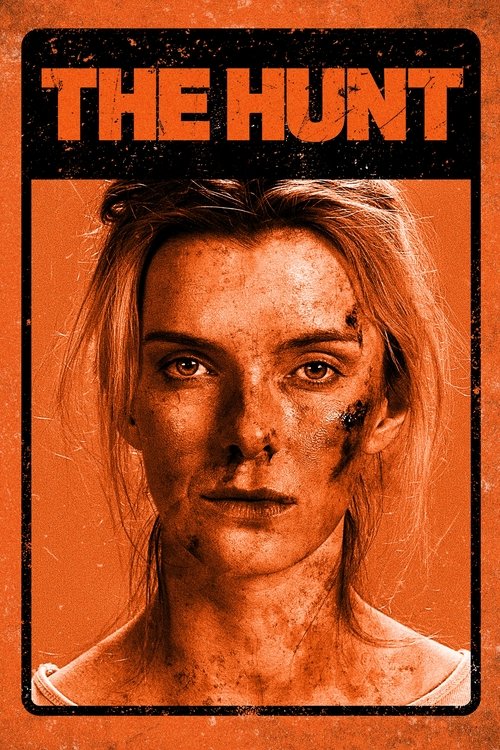
The Hunt
Twelve strangers wake up in a clearing. They don't know where they are—or how they got there. In the shadow of a dark internet conspiracy theory, ruthless elitists gather at a remote location to hunt humans for sport. But their master plan is about to be derailed when one of the hunted turns the tables on her pursuers.
The film disappointed at the box office against its small-scale budget of $14.0M, earning $10.6M globally (-25% loss).






Plot Structure
Story beats plotted across runtime


Narrative Arc
Emotional journey through the story's key moments
Story Circle
Blueprint 15-beat structure
Arcplot Score Breakdown
Weighted: Precision (70%) + Arc (15%) + Theme (15%)
The Hunt (2020) exemplifies meticulously timed dramatic framework, characteristic of Craig Zobel's storytelling approach. This structural analysis examines how the film's 11-point plot structure maps to proven narrative frameworks across 1 hour and 30 minutes. With an Arcplot score of 7.0, the film balances conventional beats with creative variation.
Structural Analysis
The Status Quo at 1 minutes (1% through the runtime) establishes Crystal wakes up gagged in a clearing with other strangers, disoriented and trapped. The "normal" world is already gone—her status quo is captivity and confusion.. Significantly, this early placement immediately immerses viewers in the story world.
The inciting incident occurs at 11 minutes when Crystal finds a note referencing "Manorgate"—the conspiracy theory that elites hunt people. The hunt is real, confirming her worst paranoia and igniting her survival instinct.. At 12% through the film, this Disruption aligns precisely with traditional story structure. This beat shifts the emotional landscape, launching the protagonist into the central conflict.
The Collapse moment at 68 minutes (76% through) represents the emotional nadir. Here, Crystal confronts the absurdity: she was hunted for someone else's online posts. Her entire ordeal stems from a case of mistaken identity. The "whiff of death"—meaninglessness, nihilism., reveals the protagonist at their lowest point. This beat's placement in the final quarter sets up the climactic reversal.
The Synthesis at 72 minutes initiates the final act resolution at 80% of the runtime. Crystal infiltrates Athena's manor for final confrontation. Brutal hand-to-hand combat in the kitchen—no guns, no tricks, just primal survival. Crystal kills Athena, claims victory., demonstrating the transformation achieved throughout the journey.
Emotional Journey
The Hunt's emotional architecture traces a deliberate progression across 11 carefully calibrated beats.
Narrative Framework
This structural analysis employs systematic plot point analysis that identifies crucial turning points. By mapping The Hunt against these established plot points, we can identify how Craig Zobel utilizes or subverts traditional narrative conventions. The plot point approach reveals not only adherence to structural principles but also creative choices that distinguish The Hunt within the action genre.
Comparative Analysis
Additional action films include The Ministry of Ungentlemanly Warfare, The Bad Guys and Lake Placid.
Plot Points by Act
Act I
SetupStatus Quo
Crystal wakes up gagged in a clearing with other strangers, disoriented and trapped. The "normal" world is already gone—her status quo is captivity and confusion.
Theme
A hunter mentions the hunted are "deplorables" who spread conspiracy theories. The theme: assumptions and labels dehumanize, truth is elusive, and the powerful manipulate narratives.
Worldbuilding
The captives discover they're being hunted for sport by wealthy elites. Rules of this deadly game are established: weapons scattered, hunters coordinated, prey expendable. Most captives die quickly.
Disruption
Crystal finds a note referencing "Manorgate"—the conspiracy theory that elites hunt people. The hunt is real, confirming her worst paranoia and igniting her survival instinct.
Resistance
Crystal scavenges weapons, avoids traps, and observes the hunters' tactics. She debates fighting back versus pure escape, gathering intel while other captives continue dying around her.
Act II
ConfrontationMirror World
Crystal encounters another captive, Don, who represents blind trust in authority and conspiracy theories. He's her mirror: what she could become if paranoia overtakes pragmatism.
Premise
The "fun and games" of hunter-becomes-hunted. Crystal systematically eliminates hunters, infiltrates their safe house, and learns the truth: she was grabbed by mistake due to confused identities.
Opposition
Crystal pursues Athena while evading remaining hunters. The opposition intensifies—traps become deadlier, allies prove untrustworthy, and Crystal's mistaken identity complicates everything.
Collapse
Crystal confronts the absurdity: she was hunted for someone else's online posts. Her entire ordeal stems from a case of mistaken identity. The "whiff of death"—meaninglessness, nihilism.
Crisis
Crystal processes the cruel irony: hunted for crimes she didn't commit, by people who became monsters fighting perceived monsters. Both sides are wrong, both sides are victims of narrative.
Act III
ResolutionSynthesis
Crystal infiltrates Athena's manor for final confrontation. Brutal hand-to-hand combat in the kitchen—no guns, no tricks, just primal survival. Crystal kills Athena, claims victory.