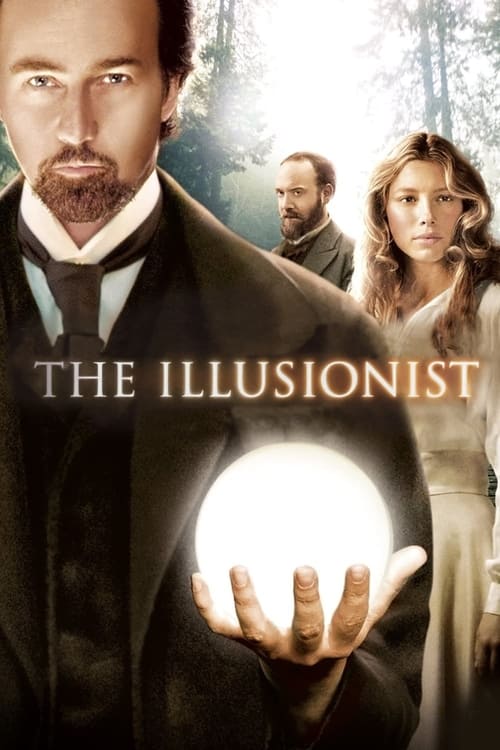
The Illusionist
With his eye on a lovely aristocrat, a gifted illusionist named Eisenheim uses his powers to win her away from her betrothed, a crown prince. But Eisenheim's scheme creates tumult within the monarchy and ignites the suspicion of a dogged inspector.
Despite a moderate budget of $16.5M, The Illusionist became a box office success, earning $87.9M worldwide—a 433% return.
Nominated for 1 Oscar. 11 wins & 12 nominations


Plot Structure
Story beats plotted across runtime


Narrative Arc
Emotional journey through the story's key moments
Story Circle
Blueprint 15-beat structure
Arcplot Score Breakdown
Weighted: Precision (70%) + Arc (15%) + Theme (15%)
The Illusionist (2006) showcases strategically placed story structure, characteristic of Neil Burger's storytelling approach. This structural analysis examines how the film's 15-point plot structure maps to proven narrative frameworks across 1 hour and 50 minutes. With an Arcplot score of 7.2, the film balances conventional beats with creative variation.
Structural Analysis
The Status Quo at 1 minutes (1% through the runtime) establishes Vienna 1889: Young Eisenheim and Sophie meet as children from different social classes, discovering magic together in the woods. Establishes the forbidden love and Eisenheim's fascination with illusion.. Significantly, this early placement immediately immerses viewers in the story world.
The inciting incident occurs at 12 minutes when Sophie, now Duchess engaged to Crown Prince Leopold, attends Eisenheim's show. Their eyes meet - the lost love has returned. She volunteers for his act, and their connection is undeniable.. At 11% through the film, this Disruption aligns precisely with traditional story structure. This beat shifts the emotional landscape, launching the protagonist into the central conflict.
The First Threshold at 27 minutes marks the transition into Act II, occurring at 24% of the runtime. This demonstrates the protagonist's commitment to Eisenheim and Sophie decide to flee Vienna together. This is their active choice to abandon their worlds and choose love over duty, setting the dangerous plan in motion., moving from reaction to action.
At 54 minutes, the Midpoint arrives at 50% of the runtime—precisely centered, creating perfect narrative symmetry. Significantly, this crucial beat Eisenheim summons Sophie's spirit during a séance. Her ghost appears and accuses "a man in this room" of her murder, pointing toward Leopold. This false victory raises the stakes - Eisenheim seems to have supernatural power and is publicly challenging the Crown Prince., fundamentally raising what's at risk. The emotional intensity shifts, dividing the narrative into clear before-and-after phases.
The Collapse moment at 82 minutes (75% through) represents the emotional nadir. Here, Uhl arrests Eisenheim during a performance. Eisenheim is imprisoned, his equipment confiscated. His plan seems to have failed - he's powerless in a cell while Leopold remains free., indicates the protagonist at their lowest point. This beat's placement in the final quarter sets up the climactic reversal.
The Second Threshold at 90 minutes initiates the final act resolution at 82% of the runtime. Uhl confronts Leopold with the evidence. Leopold, cornered, commits suicide. Simultaneously, Eisenheim escapes custody. Uhl begins to piece together the truth of the elaborate illusion., demonstrating the transformation achieved throughout the journey.
Emotional Journey
The Illusionist's emotional architecture traces a deliberate progression across 15 carefully calibrated beats.
Narrative Framework
This structural analysis employs systematic plot point analysis that identifies crucial turning points. By mapping The Illusionist against these established plot points, we can identify how Neil Burger utilizes or subverts traditional narrative conventions. The plot point approach reveals not only adherence to structural principles but also creative choices that distinguish The Illusionist within the fantasy genre.
Neil Burger's Structural Approach
Among the 5 Neil Burger films analyzed on Arcplot, the average structural score is 7.2, reflecting strong command of classical structure. The Illusionist exemplifies the director's characteristic narrative technique. For comparative analysis, explore the complete Neil Burger filmography.
Comparative Analysis
Additional fantasy films include Thinner, Ella Enchanted and Conan the Barbarian. For more Neil Burger analyses, see Limitless, Divergent and The Upside.
Plot Points by Act
Act I
SetupStatus Quo
Vienna 1889: Young Eisenheim and Sophie meet as children from different social classes, discovering magic together in the woods. Establishes the forbidden love and Eisenheim's fascination with illusion.
Theme
The old magician tells young Eisenheim: "Everything you see is an illusion. Nothing is real." This captures the film's exploration of truth versus illusion, reality versus performance.
Worldbuilding
Flashback establishes young Eisenheim and Sophie's bond, their separation by class. Flash forward to adult Eisenheim returning to Vienna as a master illusionist, performing to packed crowds. Inspector Uhl investigates him.
Disruption
Sophie, now Duchess engaged to Crown Prince Leopold, attends Eisenheim's show. Their eyes meet - the lost love has returned. She volunteers for his act, and their connection is undeniable.
Resistance
Eisenheim and Sophie begin secret meetings, rekindling their romance. Prince Leopold grows suspicious and jealous. Uhl is ordered to surveil Eisenheim. Sophie reveals Leopold's violent nature and political conspiracy plans.
Act II
ConfrontationFirst Threshold
Eisenheim and Sophie decide to flee Vienna together. This is their active choice to abandon their worlds and choose love over duty, setting the dangerous plan in motion.
Mirror World
Sophie is found dead in the woods, apparently murdered. The mirror world of their relationship is shattered. Uhl investigates while Eisenheim is consumed by grief.
Premise
After Sophie's death, Eisenheim transforms his act into necromancy, claiming to commune with the dead. He performs increasingly elaborate spiritualist shows, drawing massive crowds and the attention of the authorities.
Midpoint
Eisenheim summons Sophie's spirit during a séance. Her ghost appears and accuses "a man in this room" of her murder, pointing toward Leopold. This false victory raises the stakes - Eisenheim seems to have supernatural power and is publicly challenging the Crown Prince.
Opposition
Leopold pressures Uhl to arrest Eisenheim for fraud and disturbing the peace. Eisenheim continues his shows, with Sophie's ghost becoming more substantial and accusatory. Evidence slowly emerges linking Leopold to Sophie's murder. Uhl is torn between duty and growing suspicion of the Prince.
Collapse
Uhl arrests Eisenheim during a performance. Eisenheim is imprisoned, his equipment confiscated. His plan seems to have failed - he's powerless in a cell while Leopold remains free.
Crisis
In prison, Eisenheim appears broken. Leopold's political conspiracy moves forward. Uhl discovers a jeweled locket and other evidence in Leopold's possession that ties him to Sophie's murder. The Inspector wrestles with his conscience.
Act III
ResolutionSecond Threshold
Uhl confronts Leopold with the evidence. Leopold, cornered, commits suicide. Simultaneously, Eisenheim escapes custody. Uhl begins to piece together the truth of the elaborate illusion.
Synthesis
In flashback, Uhl realizes the entire supernatural performance was an illusion: Sophie faked her death with Eisenheim's help using stage magic, body doubles, and misdirection. Every "ghost" appearance was theatrical. The plan was to frame Leopold and force him to reveal himself.
Transformation
Eisenheim and Sophie reunite at a train station in a new country, alive and free. The closing image mirrors the opening - two people from different worlds together - but now transformed: they've chosen love and outwitted the system through the ultimate illusion.