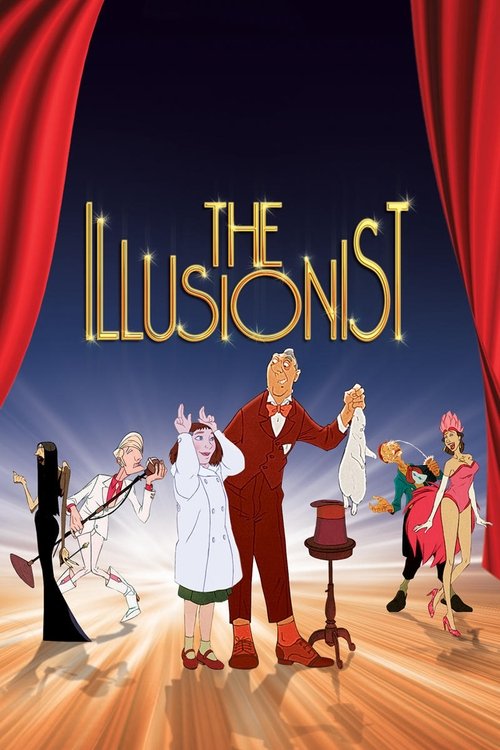
The Illusionist
A French illusionist travels to Scotland to work. He meets a young woman in a small village. Their ensuing adventure in Edinburgh changes both their lives forever.
The film box office disappointment against its moderate budget of $18.0M, earning $6.0M globally (-67% loss). While initial box office returns were modest, the film has gained appreciation for its unique voice within the animation genre.
Nominated for 1 Oscar. 7 wins & 35 nominations


Plot Structure
Story beats plotted across runtime


Narrative Arc
Emotional journey through the story's key moments
Story Circle
Blueprint 15-beat structure
Arcplot Score Breakdown
Weighted: Precision (70%) + Arc (15%) + Theme (15%)
The Illusionist (2010) demonstrates strategically placed narrative architecture, characteristic of Sylvain Chomet's storytelling approach. This structural analysis examines how the film's 15-point plot structure maps to proven narrative frameworks across 1 hour and 20 minutes. With an Arcplot score of 6.8, the film balances conventional beats with creative variation.
Structural Analysis
The Status Quo at 1 minutes (1% through the runtime) establishes Tatischeff performs his stage magic act in a declining music hall to a sparse, disinterested audience. His once-grand profession is fading in the modern era of rock and roll.. Notably, this early placement immediately immerses viewers in the story world.
The inciting incident occurs at 10 minutes when Tatischeff accepts a booking in a remote Scottish village pub, where he performs for locals. A young woman named Alice witnesses his act and believes his magic is real.. At 13% through the film, this Disruption is delayed, allowing extended setup of the story world. This beat shifts the emotional landscape, launching the protagonist into the central conflict.
The First Threshold at 20 minutes marks the transition into Act II, occurring at 25% of the runtime. This demonstrates the protagonist's commitment to Tatischeff chooses to care for Alice, moving them into a boarding house together. He commits to protecting her innocent belief in magic, even as it requires greater sacrifice on his part., moving from reaction to action.
At 40 minutes, the Midpoint arrives at 50% of the runtime—precisely centered, creating perfect narrative symmetry. Significantly, this crucial beat Alice meets a young man and begins to fall in love, discovering real life beyond Tatischeff's illusions. Tatischeff realizes he cannot maintain the fantasy forever and she is growing beyond his protection., fundamentally raising what's at risk. The emotional intensity shifts, dividing the narrative into clear before-and-after phases.
The Collapse moment at 60 minutes (75% through) represents the emotional nadir. Here, Tatischeff sees Alice fully embracing her new life with the young man. He realizes she no longer needs him or his illusions. A fellow performer succumbs to alcoholism, symbolizing the death of their era., indicates the protagonist at their lowest point. This beat's placement in the final quarter sets up the climactic reversal.
The Second Threshold at 64 minutes initiates the final act resolution at 80% of the runtime. Tatischeff chooses to leave Alice, writing her a note revealing that magic doesn't exist. He releases his rabbit, symbolizing the end of his illusions, and accepts the truth he must let her go., demonstrating the transformation achieved throughout the journey.
Emotional Journey
The Illusionist's emotional architecture traces a deliberate progression across 15 carefully calibrated beats.
Narrative Framework
This structural analysis employs proven narrative structure principles that track dramatic progression. By mapping The Illusionist against these established plot points, we can identify how Sylvain Chomet utilizes or subverts traditional narrative conventions. The plot point approach reveals not only adherence to structural principles but also creative choices that distinguish The Illusionist within the animation genre.
Sylvain Chomet's Structural Approach
Among the 2 Sylvain Chomet films analyzed on Arcplot, the average structural score is 6.7, demonstrating varied approaches to story architecture. The Illusionist represents one of the director's most structurally precise works. For comparative analysis, explore the complete Sylvain Chomet filmography.
Comparative Analysis
Additional animation films include The Bad Guys, Puss in Boots and Violet Evergarden: Eternity and the Auto Memory Doll. For more Sylvain Chomet analyses, see The Triplets of Belleville.
Plot Points by Act
Act I
SetupStatus Quo
Tatischeff performs his stage magic act in a declining music hall to a sparse, disinterested audience. His once-grand profession is fading in the modern era of rock and roll.
Theme
A theater manager dismisses Tatischeff, suggesting his old-fashioned magic act belongs to a bygone era. The theme of obsolescence and the passage of time is established.
Worldbuilding
Tatischeff travels between declining venues across France, struggling to find work. We see his lonely existence, his dedication to his craft despite dwindling audiences, and the rise of modern entertainment displacing traditional acts.
Disruption
Tatischeff accepts a booking in a remote Scottish village pub, where he performs for locals. A young woman named Alice witnesses his act and believes his magic is real.
Resistance
Alice follows Tatischeff to Edinburgh, believing in his magical powers. He reluctantly allows her to stay, uncertain about this new responsibility. He performs small tricks and buys her gifts, maintaining the illusion of magic.
Act II
ConfrontationFirst Threshold
Tatischeff chooses to care for Alice, moving them into a boarding house together. He commits to protecting her innocent belief in magic, even as it requires greater sacrifice on his part.
Mirror World
Alice and Tatischeff develop a father-daughter relationship. Her innocent wonder and joy in simple things contrasts with his world-weary understanding of reality, showing what he's been missing.
Premise
Tatischeff performs at various Edinburgh venues while maintaining the magical illusion for Alice. He buys her shoes, dresses, and gifts by secretly taking degrading work. Their relationship blossoms as Alice discovers the city.
Midpoint
Alice meets a young man and begins to fall in love, discovering real life beyond Tatischeff's illusions. Tatischeff realizes he cannot maintain the fantasy forever and she is growing beyond his protection.
Opposition
Alice spends more time with the young man while Tatischeff takes increasingly demeaning jobs to support her. His magic act gets fewer bookings. The other performers in the boarding house leave as their acts become obsolete.
Collapse
Tatischeff sees Alice fully embracing her new life with the young man. He realizes she no longer needs him or his illusions. A fellow performer succumbs to alcoholism, symbolizing the death of their era.
Crisis
Tatischeff wanders Edinburgh alone, confronting the reality that his magic cannot protect Alice from growing up or shield himself from obsolescence. He must decide whether to hold on or let go.
Act III
ResolutionSecond Threshold
Tatischeff chooses to leave Alice, writing her a note revealing that magic doesn't exist. He releases his rabbit, symbolizing the end of his illusions, and accepts the truth he must let her go.
Synthesis
Tatischeff departs Edinburgh by train, leaving Alice to her new life. Alice finds his note and realizes the truth about magic, but keeps the gifts as cherished memories. Both move forward into their respective futures.
Transformation
Alice stands with her young man, now a grown woman who understands reality but treasures the wonder Tatischeff gave her. Tatischeff travels alone, having learned that true magic is letting go with love.