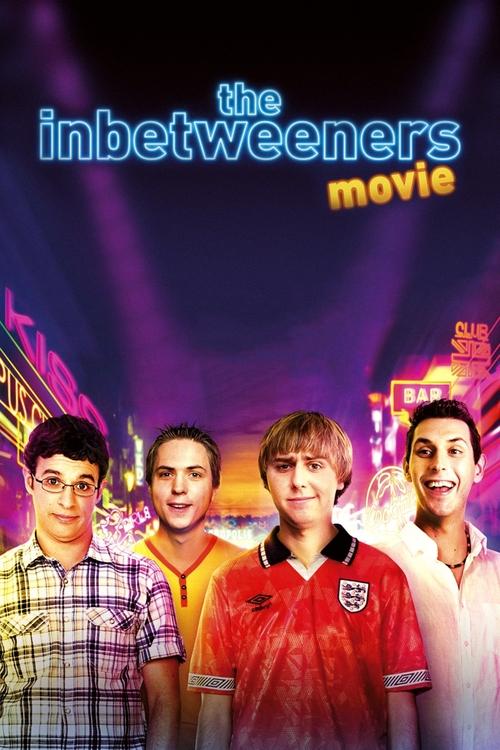
The Inbetweeners Movie
High school graduation just wouldn’t be complete without an un-chaperoned, uninhibited and unforgettable final holiday. At least that’s what Will, Jay, Simon and Neil think when they book a two-week stay on an exotic Greek island. As their dreams of sun-drenched days and booze-filled nights are left hopelessly unfulfilled, the lads fight their way into the party scene with hilariously humiliating results.
Despite its modest budget of $4.5M, The Inbetweeners Movie became a runaway success, earning $88.8M worldwide—a remarkable 1874% return. The film's unconventional structure engaged audiences, confirming that strong storytelling can transcend budget limitations.
2 wins & 4 nominations


Plot Structure
Story beats plotted across runtime


Narrative Arc
Emotional journey through the story's key moments
Story Circle
Blueprint 15-beat structure
Arcplot Score Breakdown
Weighted: Precision (70%) + Arc (15%) + Theme (15%)
The Inbetweeners Movie (2011) showcases deliberately positioned narrative architecture, characteristic of Ben Palmer's storytelling approach. This structural analysis examines how the film's 15-point plot structure maps to proven narrative frameworks across 1 hour and 37 minutes. With an Arcplot score of 7.2, the film balances conventional beats with creative variation.
Structural Analysis
The Status Quo at 1 minutes (1% through the runtime) establishes The four lads at their final sixth form assembly, stuck in their awkward social hierarchy. Will provides voiceover establishing them as losers who've never had proper girlfriends or exciting lives.. Significantly, this early placement immediately immerses viewers in the story world.
The inciting incident occurs at 11 minutes when The boys arrive in Malia and see the party atmosphere, beautiful girls, and endless possibilities. Their boring UK lives are left behind as they enter paradise.. At 12% through the film, this Disruption aligns precisely with traditional story structure. This beat shifts the emotional landscape, launching the protagonist into the central conflict.
The First Threshold at 24 minutes marks the transition into Act II, occurring at 25% of the runtime. This reveals the protagonist's commitment to The boys actively choose to reinvent themselves and commit to making the holiday work. They head to the boat party where they'll meet the girls who change everything., moving from reaction to action.
At 48 minutes, the Midpoint arrives at 49% of the runtime—precisely centered, creating perfect narrative symmetry. The analysis reveals that this crucial beat False victory: All four boys appear to be successfully paired up with girls. Double date goes well, they're having fun, it seems like they're actually going to succeed and transform into the men they want to be., fundamentally raising what's at risk. The emotional intensity shifts, dividing the narrative into clear before-and-after phases.
The Collapse moment at 71 minutes (73% through) represents the emotional nadir. Here, Complete disaster at the foam party: Simon has meltdown over Carli, punches James, and alienates Lucy. Will ruins things with Alison through jealous behavior. The boys hit rock bottom - their friendships strained, girls gone, holiday ruined. Death of their dreams., illustrates the protagonist at their lowest point. This beat's placement in the final quarter sets up the climactic reversal.
The Second Threshold at 77 minutes initiates the final act resolution at 80% of the runtime. The boys realize what actually matters: their friendship and being honest about who they are. They decide to make things right - not to "pull birds" but because it's the right thing to do. Genuine growth over fake transformation., demonstrating the transformation achieved throughout the journey.
Emotional Journey
The Inbetweeners Movie's emotional architecture traces a deliberate progression across 15 carefully calibrated beats.
Narrative Framework
This structural analysis employs systematic plot point analysis that identifies crucial turning points. By mapping The Inbetweeners Movie against these established plot points, we can identify how Ben Palmer utilizes or subverts traditional narrative conventions. The plot point approach reveals not only adherence to structural principles but also creative choices that distinguish The Inbetweeners Movie within the comedy genre.
Comparative Analysis
Additional comedy films include The Bad Guys, Ella Enchanted and The Evening Star.
Plot Points by Act
Act I
SetupStatus Quo
The four lads at their final sixth form assembly, stuck in their awkward social hierarchy. Will provides voiceover establishing them as losers who've never had proper girlfriends or exciting lives.
Theme
Jay suggests they go on holiday together to "pull some fittest birds." The theme: transforming from boys to men, leaving behind their loser status through adventure and romance.
Worldbuilding
Establishing the boys' pathetic post-school lives: Will dumped by Charlotte, Simon obsessing over Carli, Jay lying about his gap year, Neil being clueless. They decide on Malia, prepare for the trip, endure awkward airport moments.
Disruption
The boys arrive in Malia and see the party atmosphere, beautiful girls, and endless possibilities. Their boring UK lives are left behind as they enter paradise.
Resistance
The boys navigate their new world: checking into the terrible hotel, first night out goes disastrously (Jay shits himself, Simon sees Carli with James), meeting the obnoxious lads Richard, Nicos and the club reps. They debate whether they can actually succeed here.
Act II
ConfrontationFirst Threshold
The boys actively choose to reinvent themselves and commit to making the holiday work. They head to the boat party where they'll meet the girls who change everything.
Mirror World
Will meets Alison on the boat party. She represents maturity, authenticity, and emotional connection - the opposite of his shallow pursuit of conquest. The girls (Alison, Lucy, Lisa, Jane) become the thematic counterpoints.
Premise
The "fun and games" of a lads' holiday: boat party where they meet the girls, bonding scenes, club nights, Will spending time with Alison, Simon stalking Carli, Jay pursuing Lucy, Neil with Lisa. The promise of holiday romance and adventure.
Midpoint
False victory: All four boys appear to be successfully paired up with girls. Double date goes well, they're having fun, it seems like they're actually going to succeed and transform into the men they want to be.
Opposition
Things fall apart: Simon's obsession with Carli ruins things with Lucy, Will's insecurity and immaturity surface with Alison, Jay's lies catch up with him, Neil faces consequences of his cluelessness. The obnoxious lads antagonize them. Old patterns resurface.
Collapse
Complete disaster at the foam party: Simon has meltdown over Carli, punches James, and alienates Lucy. Will ruins things with Alison through jealous behavior. The boys hit rock bottom - their friendships strained, girls gone, holiday ruined. Death of their dreams.
Crisis
The boys sit in darkness processing their failure. They confront the reality that their immaturity and inability to change doomed them. Simon realizes Carli doesn't want him, Will sees his insecurity destroyed his chance, they face going home as failures.
Act III
ResolutionSecond Threshold
The boys realize what actually matters: their friendship and being honest about who they are. They decide to make things right - not to "pull birds" but because it's the right thing to do. Genuine growth over fake transformation.
Synthesis
The boys execute their plan: racing to the airport to apologize to the girls before they leave. Grand gesture shows they've actually learned something. Honest conversations, real apologies, accepting who they are rather than pretending to be someone else.
Transformation
Final image mirrors opening but shows growth: the boys together on the plane home, still losers in many ways but now with genuine connections made and real experiences. Will's voiceover confirms they didn't become different people, just slightly better versions of themselves.