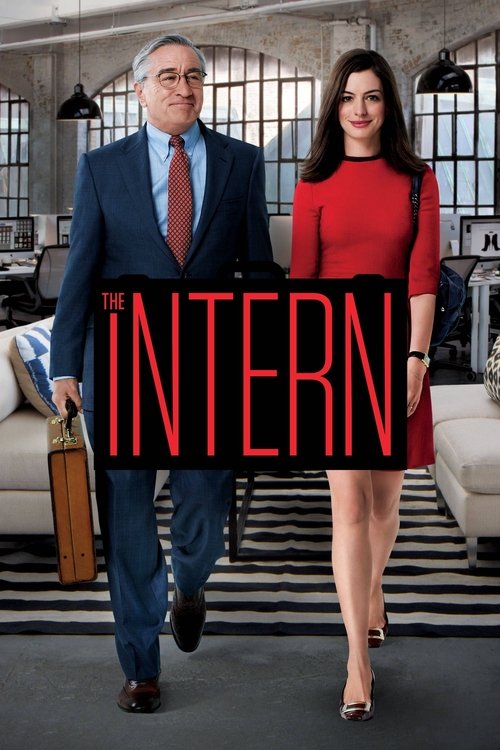
The Intern
Seventy-year-old widower Ben Whittaker has discovered that retirement isn't all it's cracked up to be. Seizing an opportunity to get back in the game, he becomes a senior intern at an online fashion site, founded and run by Jules ...
Despite a respectable budget of $35.0M, The Intern became a financial success, earning $194.6M worldwide—a 456% return.
1 win & 9 nominations


Plot Structure
Story beats plotted across runtime


Narrative Arc
Emotional journey through the story's key moments
Story Circle
Blueprint 15-beat structure
Structural Analysis
The Status Quo at 1 minutes (1% through the runtime) establishes Ben Whittaker, a 70-year-old widowed retiree, narrates his mundane life trying to fill empty days with activities, revealing a man who has lost his purpose after his wife's death and a full career.. Of particular interest, this early placement immediately immerses viewers in the story world.
The inciting incident occurs at 14 minutes when Ben is accepted into the senior intern program and prepares for his first day, purchasing a briefcase and planning his route, injecting new purpose into his life after months of aimless retirement.. At 11% through the film, this Disruption aligns precisely with traditional story structure. This beat shifts the emotional landscape, launching the protagonist into the central conflict.
The First Threshold at 29 minutes marks the transition into Act II, occurring at 24% of the runtime. This indicates the protagonist's commitment to Ben takes initiative by organizing a chaotic shared desk area without being asked, demonstrating his value. Jules notices and acknowledges him for the first time, marking his acceptance into the new world., moving from reaction to action.
At 60 minutes, the Midpoint arrives at 50% of the runtime—precisely centered, creating perfect narrative symmetry. Notably, this crucial beat Jules reveals to Ben that her investors want her to hire an experienced CEO to scale the company, meaning she would lose control of her creation. The stakes raise as her professional identity is threatened., fundamentally raising what's at risk. The emotional intensity shifts, dividing the narrative into clear before-and-after phases.
The Collapse moment at 89 minutes (74% through) represents the emotional nadir. Here, Jules breaks down crying in Ben's arms after confirming her husband's affair, admitting she feels like a failure as a wife and mother despite her professional success. Her carefully constructed life crumbles., illustrates the protagonist at their lowest point. This beat's placement in the final quarter sets up the climactic reversal.
The Second Threshold at 96 minutes initiates the final act resolution at 79% of the runtime. Ben tells Jules that she doesn't have to make herself smaller to make others comfortable, empowering her to see that the problem isn't her ambition but others' inability to handle it. She gains clarity about what she truly wants., demonstrating the transformation achieved throughout the journey.
Emotional Journey
The Intern's emotional architecture traces a deliberate progression across 15 carefully calibrated beats.
Narrative Framework
This structural analysis employs structural analysis methodology used to understand storytelling architecture. By mapping The Intern against these established plot points, we can identify how Nancy Meyers utilizes or subverts traditional narrative conventions. The plot point approach reveals not only adherence to structural principles but also creative choices that distinguish The Intern within the comedy genre.
Nancy Meyers's Structural Approach
Among the 6 Nancy Meyers films analyzed on Arcplot, the average structural score is 7.1, reflecting strong command of classical structure. The Intern exemplifies the director's characteristic narrative technique. For comparative analysis, explore the complete Nancy Meyers filmography.
Comparative Analysis
Additional comedy films include The Bad Guys, Ella Enchanted and The Evening Star. For more Nancy Meyers analyses, see It's Complicated, Something's Gotta Give and The Parent Trap.
Plot Points by Act
Act I
SetupStatus Quo
Ben Whittaker, a 70-year-old widowed retiree, narrates his mundane life trying to fill empty days with activities, revealing a man who has lost his purpose after his wife's death and a full career.
Theme
Ben's application video states: "Musicians don't retire, they stop when there's no more music in them. Well, I still have music in me." Theme: it's never too late to contribute and find purpose.
Worldbuilding
Introduction to Jules Ostin's fast-growing e-commerce fashion company About The Fit, Ben's application to the senior intern program, and the contrast between Ben's old-school values and the modern startup culture.
Disruption
Ben is accepted into the senior intern program and prepares for his first day, purchasing a briefcase and planning his route, injecting new purpose into his life after months of aimless retirement.
Resistance
Ben's awkward first days at the startup where he struggles to fit in with the young culture, has no assigned tasks, and Jules actively avoids using him as her assigned intern, leaving him uncertain about his place.
Act II
ConfrontationFirst Threshold
Ben takes initiative by organizing a chaotic shared desk area without being asked, demonstrating his value. Jules notices and acknowledges him for the first time, marking his acceptance into the new world.
Mirror World
Jules begins to warm to Ben, asking him to accompany her on errands and to drive her. Their relationship becomes the vehicle for exploring the theme of mentorship, wisdom, and work-life balance across generations.
Premise
Ben becomes indispensable to Jules and the company: helping her with personal tasks, mentoring young employees, solving problems with old-school wisdom, and gradually becoming her trusted confidant. The fun of watching generations collaborate.
Midpoint
Jules reveals to Ben that her investors want her to hire an experienced CEO to scale the company, meaning she would lose control of her creation. The stakes raise as her professional identity is threatened.
Opposition
Pressure mounts from all sides: Jules interviews potential CEOs she resents, her marriage shows cracks as her husband Matt has been unfaithful, her work-life balance collapses, and she struggles to maintain control of both her company and personal life.
Collapse
Jules breaks down crying in Ben's arms after confirming her husband's affair, admitting she feels like a failure as a wife and mother despite her professional success. Her carefully constructed life crumbles.
Crisis
Jules processes her pain and considers giving up her CEO position to save her marriage. Ben listens without judgment, offering support as she navigates the dark night of choosing between her professional dreams and personal life.
Act III
ResolutionSecond Threshold
Ben tells Jules that she doesn't have to make herself smaller to make others comfortable, empowering her to see that the problem isn't her ambition but others' inability to handle it. She gains clarity about what she truly wants.
Synthesis
Jules decides to keep her CEO position and tells the investors she doesn't want to hire someone else. She begins marriage counseling with Matt. She stands in her power, refusing to sacrifice her identity, having learned to honor both her professional worth and personal needs.
Transformation
Ben bikes through the same Brooklyn streets as the opening, but now with purpose and belonging. Jules waves to him with genuine affection. Both have found what they needed: Ben has music in him again, and Jules has learned she doesn't have to choose between success and humanity.