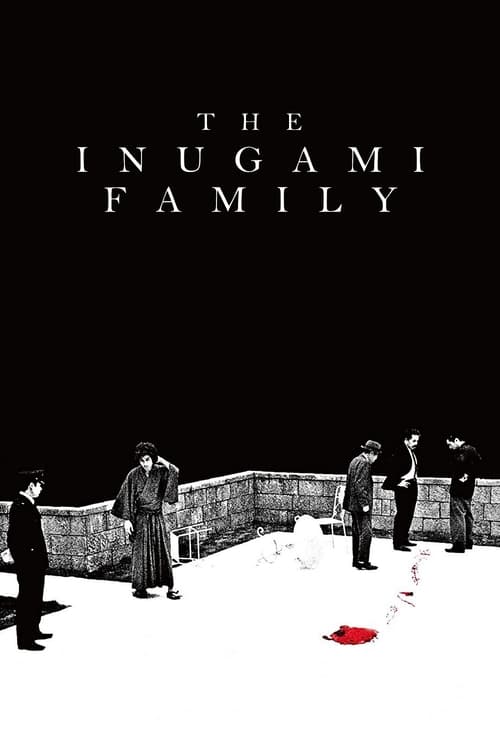
The Inugami Family
When a tycoon passes away, he unexpectedly leaves the family fortune to outsider Tamayo on the condition that she marries one of the grandsons, pitting blood against blood.
Despite its limited budget of $1.5M, The Inugami Family became a massive hit, earning $10.6M worldwide—a remarkable 609% return. The film's fresh perspective found its audience, showing that strong storytelling can transcend budget limitations.
Plot Structure
Story beats plotted across runtime


Narrative Arc
Emotional journey through the story's key moments
Story Circle
Blueprint 15-beat structure
Arcplot Score Breakdown
Weighted: Precision (70%) + Arc (15%) + Theme (15%)
The Inugami Family (1976) reveals deliberately positioned story structure, characteristic of Kon Ichikawa's storytelling approach. This structural analysis examines how the film's 15-point plot structure maps to proven narrative frameworks across 2 hours and 26 minutes. With an Arcplot score of 7.1, the film balances conventional beats with creative variation.
Structural Analysis
The Status Quo at 2 minutes (1% through the runtime) establishes Detective Kindaichi Kosuke arrives at the Inugami estate, a wealthy family awaiting the reading of patriarch Sahei Inugami's will. The estate is tense with anticipation as three daughters and their families gather.. Significantly, this early placement immediately immerses viewers in the story world.
The inciting incident occurs at 18 minutes when The first murder occurs: Takeko's son Tomo is found dead in the lake with his legs sticking up, mimicking the family's pet dog's death. The inheritance game turns deadly.. At 12% through the film, this Disruption aligns precisely with traditional story structure. This beat shifts the emotional landscape, launching the protagonist into the central conflict.
The First Threshold at 37 minutes marks the transition into Act II, occurring at 25% of the runtime. This indicates the protagonist's commitment to Kindaichi commits fully to solving the murders after a second victim is discovered. He realizes this is not a simple inheritance dispute but a calculated revenge plot spanning generations., moving from reaction to action.
At 73 minutes, the Midpoint arrives at 50% of the runtime—precisely centered, creating perfect narrative symmetry. Structural examination shows that this crucial beat A third murder occurs and Kindaichi discovers the killer is using the will itself as a blueprint for revenge. The stakes escalate as he realizes everyone connected to the family is in danger. The pattern becomes clear but the killer's identity remains hidden., fundamentally raising what's at risk. The emotional intensity shifts, dividing the narrative into clear before-and-after phases.
The Collapse moment at 110 minutes (75% through) represents the emotional nadir. Here, The killer strikes again, and Kindaichi realizes he has failed to prevent another death. The true identity of Shizuma, the missing heir, is revealed to be dead, replaced by an impostor seeking revenge for past wrongs., illustrates the protagonist at their lowest point. This beat's placement in the final quarter sets up the climactic reversal.
The Second Threshold at 117 minutes initiates the final act resolution at 80% of the runtime. Kindaichi pieces together the final clues about the impostor's true identity and motivation. He understands the complete picture of betrayal from decades past and realizes who the killer must be., demonstrating the transformation achieved throughout the journey.
Emotional Journey
The Inugami Family's emotional architecture traces a deliberate progression across 15 carefully calibrated beats.
Narrative Framework
This structural analysis employs systematic plot point analysis that identifies crucial turning points. By mapping The Inugami Family against these established plot points, we can identify how Kon Ichikawa utilizes or subverts traditional narrative conventions. The plot point approach reveals not only adherence to structural principles but also creative choices that distinguish The Inugami Family within the horror genre.
Comparative Analysis
Additional horror films include Thinner, A Nightmare on Elm Street and Mary Reilly.
Plot Points by Act
Act I
SetupStatus Quo
Detective Kindaichi Kosuke arrives at the Inugami estate, a wealthy family awaiting the reading of patriarch Sahei Inugami's will. The estate is tense with anticipation as three daughters and their families gather.
Theme
Lawyer Furudate warns that "greed and family inheritance bring out the worst in people," foreshadowing the deadly consequences of the will's unusual conditions regarding marriage and succession.
Worldbuilding
Introduction of the complex Inugami family structure: three daughters (Matsuko, Takeko, Umeko), their children, and the mysterious absent heir Shizuma. The will's strange conditions are revealed, requiring grandsons to marry Tamayo, the illegitimate daughter.
Disruption
The first murder occurs: Takeko's son Tomo is found dead in the lake with his legs sticking up, mimicking the family's pet dog's death. The inheritance game turns deadly.
Resistance
Kindaichi debates whether to stay involved in the case. He interviews family members, gathering information about relationships and motives. The family lawyer urges him to investigate, revealing deeper secrets about Sahei's past.
Act II
ConfrontationFirst Threshold
Kindaichi commits fully to solving the murders after a second victim is discovered. He realizes this is not a simple inheritance dispute but a calculated revenge plot spanning generations.
Mirror World
Kindaichi forms a bond with Tamayo, the innocent illegitimate daughter at the center of the inheritance scheme. She represents purity in contrast to the family's corruption and greed.
Premise
Kindaichi investigates the murders using his methodical detective work. He uncovers family secrets, interviews suspects, examines crime scenes, and pieces together the complex web of relationships and betrayals spanning decades.
Midpoint
A third murder occurs and Kindaichi discovers the killer is using the will itself as a blueprint for revenge. The stakes escalate as he realizes everyone connected to the family is in danger. The pattern becomes clear but the killer's identity remains hidden.
Opposition
The family closes ranks, hiding secrets and lying to protect themselves. Kindaichi faces obstruction from multiple parties. More connections to the past emerge, revealing Sahei's sins and the true motivation for revenge.
Collapse
The killer strikes again, and Kindaichi realizes he has failed to prevent another death. The true identity of Shizuma, the missing heir, is revealed to be dead, replaced by an impostor seeking revenge for past wrongs.
Crisis
Kindaichi processes the weight of the tragedy - multiple deaths driven by inherited hatred and greed. He contemplates the cyclical nature of revenge and the destruction of the entire Inugami line.
Act III
ResolutionSecond Threshold
Kindaichi pieces together the final clues about the impostor's true identity and motivation. He understands the complete picture of betrayal from decades past and realizes who the killer must be.
Synthesis
Kindaichi confronts the killer and reveals the complete truth to the remaining family members. The impostor's identity as the son of Sahei's wronged mistress is exposed. Justice is served, though the Inugami family is destroyed.
Transformation
Kindaichi departs the estate, having solved the case but unable to prevent the tragedy. The once-powerful Inugami family is decimated, a cautionary tale about greed, illegitimacy, and the sins of fathers visited upon their children.