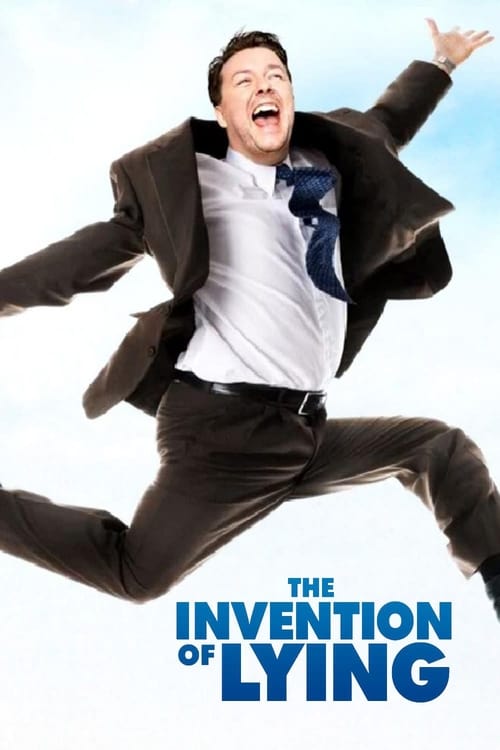
The Invention of Lying
Set in a world where the concept of lying doesn't exist, a loser changes his lot when he invents lying and uses it to get ahead.
Working with a mid-range budget of $18.5M, the film achieved a steady performer with $32.4M in global revenue (+75% profit margin).


Plot Structure
Story beats plotted across runtime


Narrative Arc
Emotional journey through the story's key moments
Story Circle
Blueprint 15-beat structure
Arcplot Score Breakdown
Weighted: Precision (70%) + Arc (15%) + Theme (15%)
The Invention of Lying (2009) demonstrates deliberately positioned story structure, characteristic of Ricky Gervais's storytelling approach. This structural analysis examines how the film's 15-point plot structure maps to proven narrative frameworks across 1 hour and 40 minutes. With an Arcplot score of 7.0, the film balances conventional beats with creative variation.
Structural Analysis
The Status Quo at 1 minutes (1% through the runtime) establishes Mark Bellison arrives at Anna's apartment for their blind date, nervously waiting in a world where everyone speaks only the brutal truth and no one can conceive of saying something that isn't.. Notably, this early placement immediately immerses viewers in the story world.
The inciting incident occurs at 13 minutes when Mark is fired from his screenwriting job for producing unpopular content about the Black Plague, and faces eviction from his apartment, putting his already difficult life into crisis.. At 13% through the film, this Disruption is delayed, allowing extended setup of the story world. This beat shifts the emotional landscape, launching the protagonist into the central conflict.
The First Threshold at 24 minutes marks the transition into Act II, occurring at 24% of the runtime. This illustrates the protagonist's commitment to Mark consciously chooses to use his new ability to lie, starting with saving his apartment and then helping a suicidal man by telling him life will get better - crossing into a new world where he alone can shape reality with words., moving from reaction to action.
At 49 minutes, the Midpoint arrives at 49% of the runtime—precisely centered, creating perfect narrative symmetry. Structural examination shows that this crucial beat False victory: Mark becomes the prophet of "The Man in the Sky," presenting his lies about heaven on pizza boxes to gathered crowds. He's famous, rich, and Anna is impressed - but his success is built entirely on deception., fundamentally raising what's at risk. The emotional intensity shifts, dividing the narrative into clear before-and-after phases.
The Collapse moment at 75 minutes (75% through) represents the emotional nadir. Here, Anna announces she's marrying Brad Kessler. Mark's world collapses - all his power to lie means nothing because he refuses to deceive Anna about his feelings or manipulate her into loving him. His integrity prevents him from using the one advantage he has., shows the protagonist at their lowest point. This beat's placement in the final quarter sets up the climactic reversal.
The Second Threshold at 80 minutes initiates the final act resolution at 80% of the runtime. Mark decides to go to Anna's wedding and tell her the complete truth about everything - his ability to lie, his feelings, and why he never used it to manipulate her. He synthesizes his power with authentic vulnerability., demonstrating the transformation achieved throughout the journey.
Emotional Journey
The Invention of Lying's emotional architecture traces a deliberate progression across 15 carefully calibrated beats.
Narrative Framework
This structural analysis employs structural analysis methodology used to understand storytelling architecture. By mapping The Invention of Lying against these established plot points, we can identify how Ricky Gervais utilizes or subverts traditional narrative conventions. The plot point approach reveals not only adherence to structural principles but also creative choices that distinguish The Invention of Lying within the comedy genre.
Comparative Analysis
Additional comedy films include The Bad Guys, Ella Enchanted and The Evening Star.
Plot Points by Act
Act I
SetupStatus Quo
Mark Bellison arrives at Anna's apartment for their blind date, nervously waiting in a world where everyone speaks only the brutal truth and no one can conceive of saying something that isn't.
Theme
Anna bluntly tells Mark that she finds him unattractive and their date won't work because of genetics - establishing the theme that in this world, superficial judgment without the possibility of deeper truth creates shallow, unfulfilling connections.
Worldbuilding
The rules of this alternate reality are established: no one can lie, advertisements are brutally honest, Mark works as a screenwriter for Lecture Films where movies are just historians reading facts, and his rival Brad Kessler is more successful due to having better historical periods to cover.
Disruption
Mark is fired from his screenwriting job for producing unpopular content about the Black Plague, and faces eviction from his apartment, putting his already difficult life into crisis.
Resistance
Mark desperately tries to gather money for rent. At the bank, something unprecedented happens in his brain - he tells the teller he has $800 when he only has $300. The system glitch of lying is born as he discovers this impossible new ability.
Act II
ConfrontationFirst Threshold
Mark consciously chooses to use his new ability to lie, starting with saving his apartment and then helping a suicidal man by telling him life will get better - crossing into a new world where he alone can shape reality with words.
Mirror World
Mark reconnects with Anna at a restaurant, and their dynamic shifts as he uses his ability to be charming rather than brutally self-deprecating. The romantic subplot that will test whether lies can create genuine love begins.
Premise
Mark exploits lying for fun and profit - he wins at the casino, creates a blockbuster film about alien invasions and ninja attacks, becomes wealthy and famous. At his dying mother's bedside, he invents the concept of an afterlife to comfort her, inadvertently creating religion.
Midpoint
False victory: Mark becomes the prophet of "The Man in the Sky," presenting his lies about heaven on pizza boxes to gathered crowds. He's famous, rich, and Anna is impressed - but his success is built entirely on deception.
Opposition
Mark's lies spiral out of control. His religious fabrications cause societal chaos as people demand more answers. Anna continues dating Brad for his superior genetics despite Mark's feelings. Mark realizes he can't lie to make Anna love him - that would be hollow.
Collapse
Anna announces she's marrying Brad Kessler. Mark's world collapses - all his power to lie means nothing because he refuses to deceive Anna about his feelings or manipulate her into loving him. His integrity prevents him from using the one advantage he has.
Crisis
Mark withdraws into depression, isolated in his mansion. He's proven that even with the ultimate power of lying, he can't make someone truly love him. He must accept that some things require authentic connection, not manipulation.
Act III
ResolutionSecond Threshold
Mark decides to go to Anna's wedding and tell her the complete truth about everything - his ability to lie, his feelings, and why he never used it to manipulate her. He synthesizes his power with authentic vulnerability.
Synthesis
Mark arrives at the wedding and makes his honest confession to Anna. She realizes that his choice NOT to lie to her - when he could have - demonstrates true love. She questions her shallow genetic criteria and chooses Mark over Brad.
Transformation
Mark and Anna are together with their son, who has inherited Mark's ability to lie but is being raised to use it wisely. The world hasn't changed, but Mark has found genuine love through choosing truth when it mattered most.