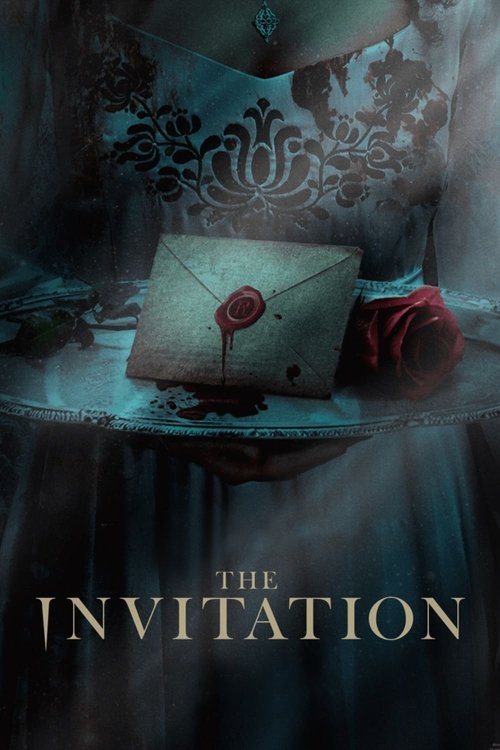
The Invitation
After the death of her mother, Evie is approached by an unknown cousin who invites her to a lavish wedding in the English countryside. Soon, she realizes a gothic conspiracy is afoot and must fight for survival as she uncovers twisted secrets in her family’s history.
Despite its modest budget of $10.0M, The Invitation became a financial success, earning $33.6M worldwide—a 236% return. The film's unique voice connected with viewers, proving that strong storytelling can transcend budget limitations.
1 win & 3 nominations


Plot Structure
Story beats plotted across runtime


Narrative Arc
Emotional journey through the story's key moments
Story Circle
Blueprint 15-beat structure
Arcplot Score Breakdown
Weighted: Precision (70%) + Arc (15%) + Theme (15%)
The Invitation (2022) exemplifies carefully calibrated story structure, characteristic of Jessica M. Thompson's storytelling approach. This structural analysis examines how the film's 15-point plot structure maps to proven narrative frameworks across 1 hour and 45 minutes. With an Arcplot score of 6.7, the film balances conventional beats with creative variation.
Structural Analysis
The Status Quo at 1 minutes (1% through the runtime) establishes Evie works as a catering server in New York, struggling financially and alone after her mother's death. She lives a solitary life without family connections.. Structural examination shows that this early placement immediately immerses viewers in the story world.
The inciting incident occurs at 13 minutes when Evie discovers she has a cousin, Oliver Alexander, through the DNA test results. He reaches out to her, opening the door to a family she never knew existed.. At 13% through the film, this Disruption is delayed, allowing extended setup of the story world. This beat shifts the emotional landscape, launching the protagonist into the central conflict.
The First Threshold at 26 minutes marks the transition into Act II, occurring at 25% of the runtime. This indicates the protagonist's commitment to Evie makes the active choice to accept the invitation and travels to England to attend the wedding at the family estate, leaving her familiar world behind., moving from reaction to action.
At 53 minutes, the Midpoint arrives at 50% of the runtime—precisely centered, creating perfect narrative symmetry. Significantly, this crucial beat Evie witnesses disturbing events at the wedding ceremony and begins to realize something is deeply wrong with the family and Walter. The gothic romance shifts into horror as she sees the brides killed in the ritual., fundamentally raising what's at risk. The emotional intensity shifts, dividing the narrative into clear before-and-after phases.
The Collapse moment at 79 minutes (75% through) represents the emotional nadir. Here, Evie is captured and prepared for the vampiric wedding ritual. Her friend Grace, who came to help her, is killed by the vampires. Evie loses her last connection to her old life and faces death alone., indicates the protagonist at their lowest point. This beat's placement in the final quarter sets up the climactic reversal.
The Second Threshold at 84 minutes initiates the final act resolution at 80% of the runtime. During the ritual, Evie realizes she must embrace her own strength rather than seek belonging from others. She discovers she can fight back and chooses to resist rather than submit, using the ceremonial elements as weapons., demonstrating the transformation achieved throughout the journey.
Emotional Journey
The Invitation's emotional architecture traces a deliberate progression across 15 carefully calibrated beats.
Narrative Framework
This structural analysis employs proven narrative structure principles that track dramatic progression. By mapping The Invitation against these established plot points, we can identify how Jessica M. Thompson utilizes or subverts traditional narrative conventions. The plot point approach reveals not only adherence to structural principles but also creative choices that distinguish The Invitation within the horror genre.
Comparative Analysis
Additional horror films include Thinner, A Nightmare on Elm Street and Mary Reilly.
Plot Points by Act
Act I
SetupStatus Quo
Evie works as a catering server in New York, struggling financially and alone after her mother's death. She lives a solitary life without family connections.
Theme
Evie's friend Grace mentions that "family is everything" and encourages her to take the DNA test, establishing the theme of belonging versus the danger of desperate need for connection.
Worldbuilding
Establishment of Evie's isolated world in New York: her financial struggles, lack of family, close friendship with Grace, and her decision to take a DNA test to find relatives. We see her loneliness and yearning for belonging.
Disruption
Evie discovers she has a cousin, Oliver Alexander, through the DNA test results. He reaches out to her, opening the door to a family she never knew existed.
Resistance
Evie meets Oliver, who is charming and welcoming. He tells her about their family history and the English aristocratic relatives. Despite initial hesitation, she's drawn to the idea of belonging. Oliver invites her to a wedding in England.
Act II
ConfrontationFirst Threshold
Evie makes the active choice to accept the invitation and travels to England to attend the wedding at the family estate, leaving her familiar world behind.
Mirror World
Evie meets Walter Deville, the wealthy and enigmatic master of the estate. Their immediate attraction represents the romantic subplot that will test her judgment and desire for belonging.
Premise
Evie explores the gothic manor, gets swept up in the glamorous world of wealth and aristocracy, and develops a romance with Walter. She bonds with her "family" and experiences the fairytale life she's always wanted, though strange occurrences hint at darkness.
Midpoint
Evie witnesses disturbing events at the wedding ceremony and begins to realize something is deeply wrong with the family and Walter. The gothic romance shifts into horror as she sees the brides killed in the ritual.
Opposition
Evie discovers the truth: Walter is a centuries-old vampire, and she's been lured as a bride for a dark ritual. She tries to escape but is trapped in the manor. Her "family" are servants to Walter, and she's been betrayed. The danger escalates as she's hunted.
Collapse
Evie is captured and prepared for the vampiric wedding ritual. Her friend Grace, who came to help her, is killed by the vampires. Evie loses her last connection to her old life and faces death alone.
Crisis
Evie is forced into the wedding ceremony with Walter. She appears defeated, grieving Grace's death and her own betrayal. She must endure the beginning of the ritual that will transform her into a vampire bride.
Act III
ResolutionSecond Threshold
During the ritual, Evie realizes she must embrace her own strength rather than seek belonging from others. She discovers she can fight back and chooses to resist rather than submit, using the ceremonial elements as weapons.
Synthesis
Evie fights against Walter and the vampire family, using fire, stakes, and her own resourcefulness. She kills the vampire brides and servants, burns down the estate, and confronts Walter in a final battle, ultimately destroying him.
Transformation
Evie emerges from the burning manor alone but empowered. She has learned that true strength comes from within, not from belonging to others. She walks away self-sufficient, transformed from desperate and lonely to independent and resilient.