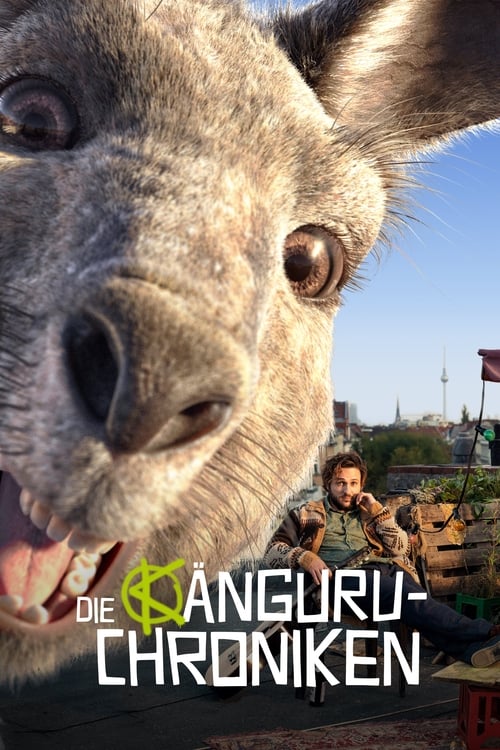
The Kangaroo Chronicles
A communist kangaroo moves in with an artist in Berlin.
The film earned $5.1M at the global box office.
Plot Structure
Story beats plotted across runtime


Narrative Arc
Emotional journey through the story's key moments
Story Circle
Blueprint 15-beat structure
Arcplot Score Breakdown
Weighted: Precision (70%) + Arc (15%) + Theme (15%)
The Kangaroo Chronicles (2020) showcases strategically placed plot construction, characteristic of Dani Levy's storytelling approach. This structural analysis examines how the film's 15-point plot structure maps to proven narrative frameworks across 1 hour and 32 minutes. With an Arcplot score of 7.3, the film balances conventional beats with creative variation.
Structural Analysis
The Status Quo at 1 minutes (1% through the runtime) establishes Marc-Uwe lives alone in his modest Berlin apartment, working as a small-time artist and struggling with isolation and lack of purpose. His mundane routine establishes him as disconnected and directionless.. The analysis reveals that this early placement immediately immerses viewers in the story world.
The inciting incident occurs at 11 minutes when The kangaroo refuses to leave Marc-Uwe's apartment and insists on moving in permanently, disrupting Marc-Uwe's solitary lifestyle and forcing him to deal with this absurd situation.. At 11% through the film, this Disruption aligns precisely with traditional story structure. This beat shifts the emotional landscape, launching the protagonist into the central conflict.
The First Threshold at 22 minutes marks the transition into Act II, occurring at 24% of the runtime. This indicates the protagonist's commitment to Marc-Uwe actively decides to embrace the kangaroo as his roommate and partner, accepting the chaos and adventure this brings into his previously safe but empty life., moving from reaction to action.
At 47 minutes, the Midpoint arrives at 51% of the runtime—precisely centered, creating perfect narrative symmetry. The analysis reveals that this crucial beat Marc-Uwe and the kangaroo uncover evidence of the corporation's corrupt scheme to gentrify the neighborhood. They appear to have the upper hand, but this false victory raises the stakes significantly., fundamentally raising what's at risk. The emotional intensity shifts, dividing the narrative into clear before-and-after phases.
The Collapse moment at 69 minutes (75% through) represents the emotional nadir. Here, The corporation appears to have won; the neighborhood faces eviction, Marc-Uwe and the kangaroo have a devastating falling out, and the kangaroo disappears. Marc-Uwe is alone again, having lost his only friend., indicates the protagonist at their lowest point. This beat's placement in the final quarter sets up the climactic reversal.
The Second Threshold at 72 minutes initiates the final act resolution at 78% of the runtime. Marc-Uwe realizes he must act and rallies the community himself, synthesizing the kangaroo's activist spirit with his own creative talents to organize resistance against the corporation., demonstrating the transformation achieved throughout the journey.
Emotional Journey
The Kangaroo Chronicles's emotional architecture traces a deliberate progression across 15 carefully calibrated beats.
Narrative Framework
This structural analysis employs structural analysis methodology used to understand storytelling architecture. By mapping The Kangaroo Chronicles against these established plot points, we can identify how Dani Levy utilizes or subverts traditional narrative conventions. The plot point approach reveals not only adherence to structural principles but also creative choices that distinguish The Kangaroo Chronicles within the comedy genre.
Comparative Analysis
Additional comedy films include The Bad Guys, Ella Enchanted and The Evening Star.
Plot Points by Act
Act I
SetupStatus Quo
Marc-Uwe lives alone in his modest Berlin apartment, working as a small-time artist and struggling with isolation and lack of purpose. His mundane routine establishes him as disconnected and directionless.
Theme
The kangaroo makes a remark about community and challenging the status quo, hinting at the film's central theme about finding connection and standing up against oppressive systems.
Worldbuilding
Establishes Marc-Uwe's lonely existence in Berlin, his creative struggles, the neighborhood dynamics, and the introduction of the mysterious talking kangaroo who claims to be a communist refugee.
Disruption
The kangaroo refuses to leave Marc-Uwe's apartment and insists on moving in permanently, disrupting Marc-Uwe's solitary lifestyle and forcing him to deal with this absurd situation.
Resistance
Marc-Uwe debates whether to accept the kangaroo as a roommate, attempts to establish boundaries, and learns about the kangaroo's communist ideology and mysterious past.
Act II
ConfrontationFirst Threshold
Marc-Uwe actively decides to embrace the kangaroo as his roommate and partner, accepting the chaos and adventure this brings into his previously safe but empty life.
Mirror World
Introduction of the developing friendship and the kangaroo's influence on Marc-Uwe's worldview, representing the thematic relationship that will teach Marc-Uwe about community and activism.
Premise
The fun of the odd-couple dynamic: Marc-Uwe and the kangaroo navigate Berlin together, engage in philosophical debates, pull pranks, and begin investigating a suspicious real estate corporation.
Midpoint
Marc-Uwe and the kangaroo uncover evidence of the corporation's corrupt scheme to gentrify the neighborhood. They appear to have the upper hand, but this false victory raises the stakes significantly.
Opposition
The corporation fights back aggressively, threatening residents and targeting Marc-Uwe and the kangaroo. Pressure mounts as they realize they're outmatched, and their friendship becomes strained.
Collapse
The corporation appears to have won; the neighborhood faces eviction, Marc-Uwe and the kangaroo have a devastating falling out, and the kangaroo disappears. Marc-Uwe is alone again, having lost his only friend.
Crisis
Marc-Uwe processes the loss and his return to isolation, reflecting on what the kangaroo taught him about community, courage, and fighting for what matters.
Act III
ResolutionSecond Threshold
Marc-Uwe realizes he must act and rallies the community himself, synthesizing the kangaroo's activist spirit with his own creative talents to organize resistance against the corporation.
Synthesis
Marc-Uwe leads the community in a creative campaign against the corporation, the kangaroo returns to join the fight, and together they expose the corruption and save the neighborhood.
Transformation
Marc-Uwe is now surrounded by community, actively engaged with his neighbors, and living purposefully alongside the kangaroo. The once-isolated artist has become a confident activist and true friend.