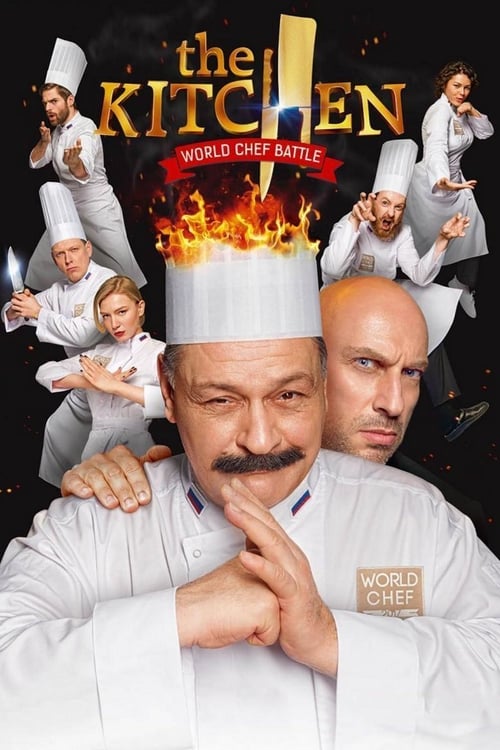
The Kitchen: World Chef Battle
Victor Barinov at the personal request of the Russian President will go to Sochi at the world championship for professional chefs and to prove that he and his team are the best in the world! The hard struggle for the title of winner of Operations will help "dark horse" - his own son Ivan, which he suddenly found out on the eve of the championship.
The film earned $6.5M at the global box office.
Plot Structure
Story beats plotted across runtime


Narrative Arc
Emotional journey through the story's key moments
Story Circle
Blueprint 15-beat structure
Arcplot Score Breakdown
Weighted: Precision (70%) + Arc (15%) + Theme (15%)
The Kitchen: World Chef Battle (2017) demonstrates strategically placed story structure, characteristic of Anton Fedotov's storytelling approach. This structural analysis examines how the film's 15-point plot structure maps to proven narrative frameworks across 1 hour and 50 minutes. With an Arcplot score of 7.4, the film balances conventional beats with creative variation.
Structural Analysis
The Status Quo at 1 minutes (1% through the runtime) establishes The protagonist works in their current kitchen environment, showing their daily routine and cooking style before the competition disrupts their world.. Of particular interest, this early placement immediately immerses viewers in the story world.
The inciting incident occurs at 13 minutes when The protagonist learns about the World Chef Battle competition—an invitation arrives, a challenge is issued, or an opportunity presents itself that will change everything.. At 12% through the film, this Disruption aligns precisely with traditional story structure. This beat shifts the emotional landscape, launching the protagonist into the central conflict.
The First Threshold at 27 minutes marks the transition into Act II, occurring at 25% of the runtime. This demonstrates the protagonist's commitment to The protagonist actively chooses to enter the World Chef Battle, commits to the competition, and crosses into the high-stakes world of international culinary combat., moving from reaction to action.
At 55 minutes, the Midpoint arrives at 50% of the runtime—precisely centered, creating perfect narrative symmetry. The analysis reveals that this crucial beat A false victory—the protagonist wins a major round or receives high praise, but the stakes are raised. They realize the competition is more difficult than expected, or their approach needs to evolve., fundamentally raising what's at risk. The emotional intensity shifts, dividing the narrative into clear before-and-after phases.
The Collapse moment at 82 minutes (74% through) represents the emotional nadir. Here, The protagonist's lowest point—a dish fails catastrophically, they lose an important round, a betrayal occurs, or they lose faith in their abilities. A metaphorical death of their old approach or identity., shows the protagonist at their lowest point. This beat's placement in the final quarter sets up the climactic reversal.
The Second Threshold at 88 minutes initiates the final act resolution at 80% of the runtime. A realization or breakthrough—the protagonist synthesizes what they've learned from their mirror world relationship with their original passion, discovering their authentic voice and approach to cooking., demonstrating the transformation achieved throughout the journey.
Emotional Journey
The Kitchen: World Chef Battle's emotional architecture traces a deliberate progression across 15 carefully calibrated beats.
Narrative Framework
This structural analysis employs structural analysis methodology used to understand storytelling architecture. By mapping The Kitchen: World Chef Battle against these established plot points, we can identify how Anton Fedotov utilizes or subverts traditional narrative conventions. The plot point approach reveals not only adherence to structural principles but also creative choices that distinguish The Kitchen: World Chef Battle within the comedy genre.
Comparative Analysis
Additional comedy films include The Ministry of Ungentlemanly Warfare, The Bad Guys and Lake Placid.
Plot Points by Act
Act I
SetupStatus Quo
The protagonist works in their current kitchen environment, showing their daily routine and cooking style before the competition disrupts their world.
Theme
A mentor or colleague states the film's theme about cooking being more than technique—it's about heart, passion, or cultural identity.
Worldbuilding
Introduction to the culinary world, the protagonist's relationships, their cooking philosophy, and the stakes of their current situation. We meet supporting characters and understand what needs to change.
Disruption
The protagonist learns about the World Chef Battle competition—an invitation arrives, a challenge is issued, or an opportunity presents itself that will change everything.
Resistance
The protagonist debates whether to enter the competition, prepares for the challenge, receives guidance from a mentor, and overcomes initial doubts about their worthiness or ability.
Act II
ConfrontationFirst Threshold
The protagonist actively chooses to enter the World Chef Battle, commits to the competition, and crosses into the high-stakes world of international culinary combat.
Mirror World
Introduction of a key relationship—a rival chef who becomes a friend, a love interest, or a fellow competitor who embodies the thematic counterpoint and will teach the protagonist what they need to learn.
Premise
The fun of the competition—exciting cooking challenges, creative dishes, victories in preliminary rounds, exploring different cuisines, and the protagonist proving themselves against international competitors.
Midpoint
A false victory—the protagonist wins a major round or receives high praise, but the stakes are raised. They realize the competition is more difficult than expected, or their approach needs to evolve.
Opposition
The competition intensifies. Rival chefs raise their game, judges become more critical, the protagonist's weaknesses are exposed, and pressure from all sides threatens their chance at victory.
Collapse
The protagonist's lowest point—a dish fails catastrophically, they lose an important round, a betrayal occurs, or they lose faith in their abilities. A metaphorical death of their old approach or identity.
Crisis
The dark night of the soul—the protagonist processes their failure, questions whether they belong in the competition, and contemplates giving up before finding new resolve.
Act III
ResolutionSecond Threshold
A realization or breakthrough—the protagonist synthesizes what they've learned from their mirror world relationship with their original passion, discovering their authentic voice and approach to cooking.
Synthesis
The final battle—the protagonist executes their plan, creates their ultimate dish with newfound understanding, faces their greatest rival, and proves their transformation through their cooking.
Transformation
The closing image shows the transformed protagonist—whether they won or lost the competition, they've achieved their internal growth, found their authentic culinary voice, and become who they needed to be.