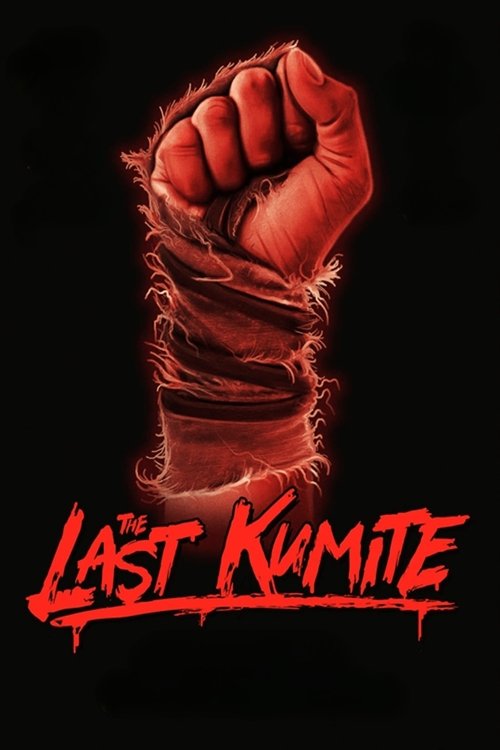
The Last Kumite
When Karate champion Michael Rivers wins the last tournament of his career, shady businessman Ron Hall offers him the opportunity to fight in an illegal Kumite in Bulgaria against the world’s best martial artists. When Michael declines, Hall has his daughter kidnapped and, in order to rescue her, Rivers is left with no choice but to compete in the deadly tournament. Arriving in Bulgaria, he finds out that he is not the only fighter whose loved one was taken. Rivers enlists the help of trainers Master Loren, and Julie Jackson but will it be enough for him to win the tournament and save his daughter’s life?
Despite its small-scale budget of $1.3M, The Last Kumite became a commercial juggernaut, earning $65.0M worldwide—a remarkable 4888% return. The film's unique voice connected with viewers, proving that strong storytelling can transcend budget limitations.


Plot Structure
Story beats plotted across runtime


Narrative Arc
Emotional journey through the story's key moments
Story Circle
Blueprint 15-beat structure
Arcplot Score Breakdown
Weighted: Precision (70%) + Arc (15%) + Theme (15%)
The Last Kumite (2024) exemplifies deliberately positioned plot construction, characteristic of Ross W. Clarkson's storytelling approach. This structural analysis examines how the film's 15-point plot structure maps to proven narrative frameworks across 1 hour and 45 minutes. With an Arcplot score of 6.8, the film balances conventional beats with creative variation.
Structural Analysis
The Status Quo at 1 minutes (1% through the runtime) establishes Michael is shown as a broken man, haunted by the death of his daughter and his past as a fighter. He lives in isolation, disconnected from the world and consumed by grief.. Significantly, this early placement immediately immerses viewers in the story world.
The inciting incident occurs at 13 minutes when Michael receives an invitation to the Last Kumite, a brutal underground tournament. He learns that entering may be his only chance to confront the man responsible for his daughter's death.. At 12% through the film, this Disruption aligns precisely with traditional story structure. This beat shifts the emotional landscape, launching the protagonist into the central conflict.
The First Threshold at 26 minutes marks the transition into Act II, occurring at 25% of the runtime. This shows the protagonist's commitment to Michael makes the active choice to enter the Last Kumite, crossing into the tournament grounds. There is no turning back - he has committed to fighting through or dying in the attempt., moving from reaction to action.
At 53 minutes, the Midpoint arrives at 50% of the runtime—precisely centered, creating perfect narrative symmetry. Notably, this crucial beat Michael achieves a significant victory, advancing to the later rounds of the tournament. It appears he may actually succeed in his quest for revenge - a false victory as the true challenges await., fundamentally raising what's at risk. The emotional intensity shifts, dividing the narrative into clear before-and-after phases.
The Collapse moment at 79 minutes (75% through) represents the emotional nadir. Here, Michael suffers a devastating defeat and his ally is killed or critically injured. He hits rock bottom, questioning whether his quest for vengeance has only brought more death. The whiff of death hangs over everything., demonstrates the protagonist at their lowest point. This beat's placement in the final quarter sets up the climactic reversal.
The Second Threshold at 84 minutes initiates the final act resolution at 80% of the runtime. Michael realizes that fighting for revenge alone will destroy him. He synthesizes his grief with new purpose - fighting to honor his daughter's memory and protect others from the same fate. He rises for the final battle., demonstrating the transformation achieved throughout the journey.
Emotional Journey
The Last Kumite's emotional architecture traces a deliberate progression across 15 carefully calibrated beats.
Narrative Framework
This structural analysis employs proven narrative structure principles that track dramatic progression. By mapping The Last Kumite against these established plot points, we can identify how Ross W. Clarkson utilizes or subverts traditional narrative conventions. The plot point approach reveals not only adherence to structural principles but also creative choices that distinguish The Last Kumite within the action genre.
Comparative Analysis
Additional action films include The Bad Guys, Puss in Boots and Venom: The Last Dance.
Plot Points by Act
Act I
SetupStatus Quo
Michael is shown as a broken man, haunted by the death of his daughter and his past as a fighter. He lives in isolation, disconnected from the world and consumed by grief.
Theme
A character tells Michael that running from his past won't bring peace - he must face his demons to find redemption. The theme of confronting trauma through combat is established.
Worldbuilding
The underground fighting world is established. Michael's tragic backstory involving his daughter's death is revealed. We see the various legendary fighters who populate this world and the dangerous stakes of kumite tournaments.
Disruption
Michael receives an invitation to the Last Kumite, a brutal underground tournament. He learns that entering may be his only chance to confront the man responsible for his daughter's death.
Resistance
Michael debates whether to enter the deadly tournament. He reconnects with old allies and mentors who warn him of the danger. He trains and prepares while wrestling with whether revenge is worth the risk.
Act II
ConfrontationFirst Threshold
Michael makes the active choice to enter the Last Kumite, crossing into the tournament grounds. There is no turning back - he has committed to fighting through or dying in the attempt.
Mirror World
Michael forms an unexpected bond with another fighter who has also suffered loss. This relationship represents the thematic counterpoint - finding connection and purpose beyond vengeance.
Premise
The tournament begins with spectacular martial arts action. Michael fights through preliminary rounds, showcasing his skills against various legendary fighters. The promise of the premise delivers exciting combat sequences.
Midpoint
Michael achieves a significant victory, advancing to the later rounds of the tournament. It appears he may actually succeed in his quest for revenge - a false victory as the true challenges await.
Opposition
The stakes escalate as Michael faces increasingly dangerous opponents. The tournament organizers reveal their true sinister nature. His ally is threatened, and Michael's injuries mount as the opposition closes in.
Collapse
Michael suffers a devastating defeat and his ally is killed or critically injured. He hits rock bottom, questioning whether his quest for vengeance has only brought more death. The whiff of death hangs over everything.
Crisis
Michael processes his loss and failure in the dark night of the soul. He must decide whether to give up or find a new reason to continue fighting beyond mere revenge.
Act III
ResolutionSecond Threshold
Michael realizes that fighting for revenge alone will destroy him. He synthesizes his grief with new purpose - fighting to honor his daughter's memory and protect others from the same fate. He rises for the final battle.
Synthesis
The climactic final battles unfold. Michael faces the ultimate antagonist with renewed purpose and transformed fighting spirit. The synthesis of his old skills with his new understanding leads to the decisive confrontation.
Transformation
Michael emerges victorious but transformed. No longer consumed by grief and vengeance, he has found peace through facing his demons. The final image shows a man reborn, ready to live again rather than merely survive.