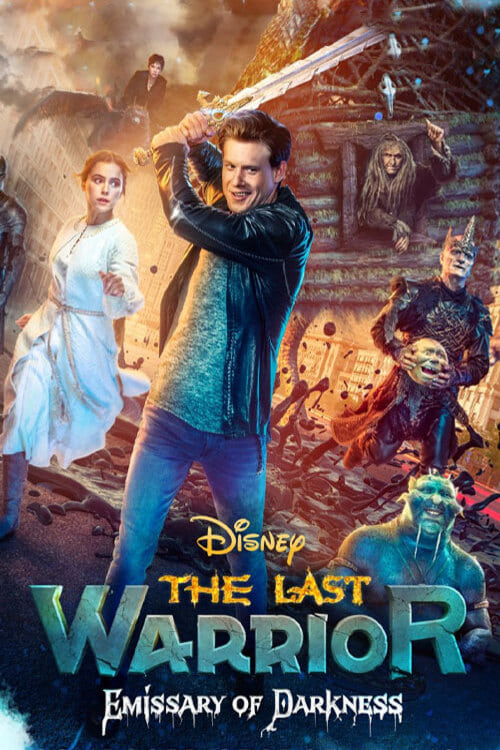
The Last Warrior: Emissary of Darkness
Now that Ivan is about to turn 21, he is now grown up and finally old enough to marry the beautiful Vasilisa. But when Vasilisa is kidnapped and trapped in modern Moscow, Ivan and his friends must travel to the present day to rescue her.
Despite its small-scale budget of $7.0M, The Last Warrior: Emissary of Darkness became a solid performer, earning $29.7M worldwide—a 324% return. The film's distinctive approach resonated with audiences, confirming that strong storytelling can transcend budget limitations.
Plot Structure
Story beats plotted across runtime


Narrative Arc
Emotional journey through the story's key moments
Story Circle
Blueprint 15-beat structure
Arcplot Score Breakdown
Weighted: Precision (70%) + Arc (15%) + Theme (15%)
The Last Warrior: Emissary of Darkness (2021) reveals deliberately positioned narrative architecture, characteristic of Dmitriy Dyachenko's storytelling approach. This structural analysis examines how the film's 15-point plot structure maps to proven narrative frameworks across 1 hour and 48 minutes. With an Arcplot score of 7.6, the film showcases strong structural fundamentals.
Structural Analysis
The Status Quo at 1 minutes (1% through the runtime) establishes Ivan lives peacefully in the magical world of Belogorye, now accepted as a hero and enjoying domestic life with Vasilisa. He has found his place between two worlds.. Significantly, this early placement immediately immerses viewers in the story world.
The inciting incident occurs at 13 minutes when A dark force from ancient times awakens, threatening both the magical and modern worlds. Strange phenomena begin occurring, and an ancient evil stirs, disrupting the peaceful status quo.. At 12% through the film, this Disruption aligns precisely with traditional story structure. This beat shifts the emotional landscape, launching the protagonist into the central conflict.
The First Threshold at 27 minutes marks the transition into Act II, occurring at 25% of the runtime. This reveals the protagonist's commitment to Ivan makes the active choice to journey into the unknown to confront the source of evil, despite knowing it may cost him everything. He crosses from safety into danger by his own decision., moving from reaction to action.
At 54 minutes, the Midpoint arrives at 50% of the runtime—precisely centered, creating perfect narrative symmetry. Significantly, this crucial beat False defeat: Ivan discovers the evil force is directly connected to his own bloodline and origins. The revelation that he cannot defeat it without confronting his own identity raises the stakes dramatically., fundamentally raising what's at risk. The emotional intensity shifts, dividing the narrative into clear before-and-after phases.
The Collapse moment at 81 minutes (75% through) represents the emotional nadir. Here, Ivan loses everything - Vasilisa is captured or endangered, his powers fail him, and a mentor figure dies protecting him. The whiff of death is present as hope seems extinguished and the darkness appears triumphant., demonstrates the protagonist at their lowest point. This beat's placement in the final quarter sets up the climactic reversal.
The Second Threshold at 86 minutes initiates the final act resolution at 80% of the runtime. Ivan synthesizes his dual nature, finally accepting both his modern origins and ancient heritage. This revelation gives him the key to defeating the darkness - not by rejecting either side, but by embracing both., demonstrating the transformation achieved throughout the journey.
Emotional Journey
The Last Warrior: Emissary of Darkness's emotional architecture traces a deliberate progression across 15 carefully calibrated beats.
Narrative Framework
This structural analysis employs proven narrative structure principles that track dramatic progression. By mapping The Last Warrior: Emissary of Darkness against these established plot points, we can identify how Dmitriy Dyachenko utilizes or subverts traditional narrative conventions. The plot point approach reveals not only adherence to structural principles but also creative choices that distinguish The Last Warrior: Emissary of Darkness within the fantasy genre.
Dmitriy Dyachenko's Structural Approach
Among the 6 Dmitriy Dyachenko films analyzed on Arcplot, the average structural score is 7.3, reflecting strong command of classical structure. The Last Warrior: Emissary of Darkness represents one of the director's most structurally precise works. For comparative analysis, explore the complete Dmitriy Dyachenko filmography.
Comparative Analysis
Additional fantasy films include Thinner, Ella Enchanted and Conan the Barbarian. For more Dmitriy Dyachenko analyses, see What Men Still Talk About, The Last Warrior: Root of Evil and What Men Talk About.
Plot Points by Act
Act I
SetupStatus Quo
Ivan lives peacefully in the magical world of Belogorye, now accepted as a hero and enjoying domestic life with Vasilisa. He has found his place between two worlds.
Theme
A wise character warns that "true darkness comes not from evil itself, but from forgetting where we came from." The theme of identity and roots is established.
Worldbuilding
Introduction to the magical realm of Belogorye, its inhabitants, and the fragile peace. Ivan's relationship with Vasilisa and his role as protector are established. The ordinary world of magic is shown.
Disruption
A dark force from ancient times awakens, threatening both the magical and modern worlds. Strange phenomena begin occurring, and an ancient evil stirs, disrupting the peaceful status quo.
Resistance
Ivan debates whether to pursue the threat or protect his newfound happiness. He consults with magical advisors and learns about the ancient darkness. Resistance to the call and preparation for the journey.
Act II
ConfrontationFirst Threshold
Ivan makes the active choice to journey into the unknown to confront the source of evil, despite knowing it may cost him everything. He crosses from safety into danger by his own decision.
Mirror World
Ivan encounters a character who represents his thematic opposite - someone who rejected their heritage and paid the price. This relationship will teach him about the importance of accepting one's origins.
Premise
The adventure through magical realms, facing creatures and challenges. Ivan explores the promise of the premise - a hero's journey through Russian folklore. Fun, action, and discovery of the ancient evil's true nature.
Midpoint
False defeat: Ivan discovers the evil force is directly connected to his own bloodline and origins. The revelation that he cannot defeat it without confronting his own identity raises the stakes dramatically.
Opposition
The dark forces close in, exploiting Ivan's doubts about his identity. His allies are scattered, enemies grow stronger, and his reluctance to fully embrace his heritage becomes his greatest weakness. Pressure intensifies.
Collapse
Ivan loses everything - Vasilisa is captured or endangered, his powers fail him, and a mentor figure dies protecting him. The whiff of death is present as hope seems extinguished and the darkness appears triumphant.
Crisis
Ivan's dark night of the soul. He faces his deepest fears about identity and belonging, processing the loss and confronting whether he can truly accept all parts of himself - modern and ancient, human and magical.
Act III
ResolutionSecond Threshold
Ivan synthesizes his dual nature, finally accepting both his modern origins and ancient heritage. This revelation gives him the key to defeating the darkness - not by rejecting either side, but by embracing both.
Synthesis
The finale: Ivan storms the dark fortress with renewed purpose, using both modern ingenuity and ancient magic. He confronts the evil force, saves Vasilisa, and resolves the threat by fully embodying his complete identity.
Transformation
Final image mirrors the opening but shows transformation: Ivan stands confidently between both worlds, no longer conflicted about his identity but celebrating it. He has become whole by accepting all parts of himself.