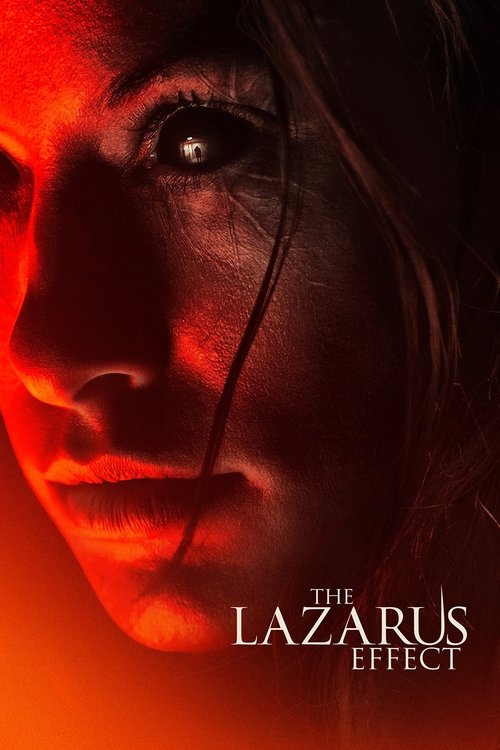
The Lazarus Effect
Medical researcher Frank, his fiancee Zoe and their team have achieved the impossible: they have found a way to revive the dead. After a successful, but unsanctioned, experiment on a lifeless animal, they are ready to make their work public. However, when their dean learns what they've done, he shuts them down. Zoe is killed during an attempt to recreate the experiment, leading Frank to test the process on her. Zoe is revived -- but something evil is within her.
Despite its small-scale budget of $3.3M, The Lazarus Effect became a massive hit, earning $64.1M worldwide—a remarkable 1843% return. The film's fresh perspective resonated with audiences, confirming that strong storytelling can transcend budget limitations.


Plot Structure
Story beats plotted across runtime


Narrative Arc
Emotional journey through the story's key moments
Story Circle
Blueprint 15-beat structure
Arcplot Score Breakdown
Weighted: Precision (70%) + Arc (15%) + Theme (15%)
The Lazarus Effect (2015) reveals deliberately positioned story structure, characteristic of David Gelb's storytelling approach. This structural analysis examines how the film's 15-point plot structure maps to proven narrative frameworks across 1 hour and 23 minutes. With an Arcplot score of 7.1, the film balances conventional beats with creative variation.
Structural Analysis
The Status Quo at 1 minutes (1% through the runtime) establishes Frank and his research team are successfully conducting resurrection experiments on animals in their university lab. Zoe, Frank's fiancée and research partner, is passionate about the work but haunted by childhood trauma.. Of particular interest, this early placement immediately immerses viewers in the story world.
The inciting incident occurs at 10 minutes when The university shuts down their research after discovering the project was funded by corporate interests. The team loses access to their lab, equipment, and all their research data, threatening to destroy years of work on the verge of a breakthrough.. At 13% through the film, this Disruption is delayed, allowing extended setup of the story world. This beat shifts the emotional landscape, launching the protagonist into the central conflict.
The First Threshold at 21 minutes marks the transition into Act II, occurring at 25% of the runtime. This demonstrates the protagonist's commitment to The team breaks into the lab after hours to conduct one final experiment. This active choice to defy the university and work illegally sets the tragic events in motion and crosses them into dangerous territory., moving from reaction to action.
At 42 minutes, the Midpoint arrives at 50% of the runtime—precisely centered, creating perfect narrative symmetry. Significantly, this crucial beat Zoe's powers fully manifest—she displays telekinetic abilities and reveals she's experiencing a hellish loop of her traumatic childhood memories. The team realizes this isn't Zoe anymore; something else has come back. The stakes raise from scientific achievement to survival horror., fundamentally raising what's at risk. The emotional intensity shifts, dividing the narrative into clear before-and-after phases.
The Collapse moment at 62 minutes (75% through) represents the emotional nadir. Here, Most of the team is dead. Frank is alone, facing the horror of what his love and hubris have created. The woman he loved is gone, replaced by a demonic entity. His dream of conquering death has resulted in only more death., reveals the protagonist at their lowest point. This beat's placement in the final quarter sets up the climactic reversal.
The Second Threshold at 66 minutes initiates the final act resolution at 80% of the runtime. Frank realizes there's no saving Zoe or himself. He understands that death cannot be conquered and that he must face the consequences. He prepares for a final confrontation, accepting his fate., demonstrating the transformation achieved throughout the journey.
Emotional Journey
The Lazarus Effect's emotional architecture traces a deliberate progression across 15 carefully calibrated beats.
Narrative Framework
This structural analysis employs systematic plot point analysis that identifies crucial turning points. By mapping The Lazarus Effect against these established plot points, we can identify how David Gelb utilizes or subverts traditional narrative conventions. The plot point approach reveals not only adherence to structural principles but also creative choices that distinguish The Lazarus Effect within the horror genre.
Comparative Analysis
Additional horror films include Thinner, A Nightmare on Elm Street and Mary Reilly.
Plot Points by Act
Act I
SetupStatus Quo
Frank and his research team are successfully conducting resurrection experiments on animals in their university lab. Zoe, Frank's fiancée and research partner, is passionate about the work but haunted by childhood trauma.
Theme
Zoe discusses the nature of the afterlife and whether they're truly bringing something back or creating something new. The question: "What are we really bringing back?" establishes the film's exploration of life, death, and the consequences of playing God.
Worldbuilding
Introduction to the research team: Frank (leader), Zoe (co-researcher and Frank's fiancée), Niko (tech expert), Clay (assistant), and Eva (documentarian). They successfully revive a dog named Rocky using the Lazarus serum, which shows promising results but hints at unusual brain activity.
Disruption
The university shuts down their research after discovering the project was funded by corporate interests. The team loses access to their lab, equipment, and all their research data, threatening to destroy years of work on the verge of a breakthrough.
Resistance
The team debates breaking into their own lab to replicate the experiment and reclaim their research before it's seized. Frank is initially hesitant but Zoe pushes for one final trial. They plan a late-night break-in to document their success with the Lazarus serum.
Act II
ConfrontationFirst Threshold
The team breaks into the lab after hours to conduct one final experiment. This active choice to defy the university and work illegally sets the tragic events in motion and crosses them into dangerous territory.
Mirror World
During the experiment setup, Zoe is accidentally electrocuted and killed. Frank is devastated, facing the loss of his fiancée. This introduces the relationship/thematic subplot: Frank's love for Zoe will drive him to make a catastrophic decision.
Premise
Frank makes the horrific choice to use the Lazarus serum on Zoe. She comes back to life, initially seeming normal and grateful. The team explores what they've done—successfully bringing back a human being. But Zoe begins displaying increasingly disturbing abilities and behavior.
Midpoint
Zoe's powers fully manifest—she displays telekinetic abilities and reveals she's experiencing a hellish loop of her traumatic childhood memories. The team realizes this isn't Zoe anymore; something else has come back. The stakes raise from scientific achievement to survival horror.
Opposition
Zoe becomes increasingly violent and unstable, trapped in her hell-loop. She begins hunting the team members one by one, using her powers to kill them. The group tries to stop her or escape, but she has become an unstoppable supernatural force.
Collapse
Most of the team is dead. Frank is alone, facing the horror of what his love and hubris have created. The woman he loved is gone, replaced by a demonic entity. His dream of conquering death has resulted in only more death.
Crisis
Frank confronts the emotional devastation of losing Zoe twice—once to death, and now to whatever she's become. He grapples with his responsibility and the impossibility of undoing what he's done.
Act III
ResolutionSecond Threshold
Frank realizes there's no saving Zoe or himself. He understands that death cannot be conquered and that he must face the consequences. He prepares for a final confrontation, accepting his fate.
Synthesis
Frank's final confrontation with Zoe. She kills him, and in a dark twist, uses the Lazarus serum to bring him back—condemning him to the same hell-loop existence. The cycle of playing God continues with horrific consequences.
Transformation
Frank awakens in his own hell-loop, now experiencing the same trapped, nightmarish existence as Zoe. The final image shows the price of defying death: an eternity of suffering. The transformation is corruption—from hopeful scientist to damned soul.