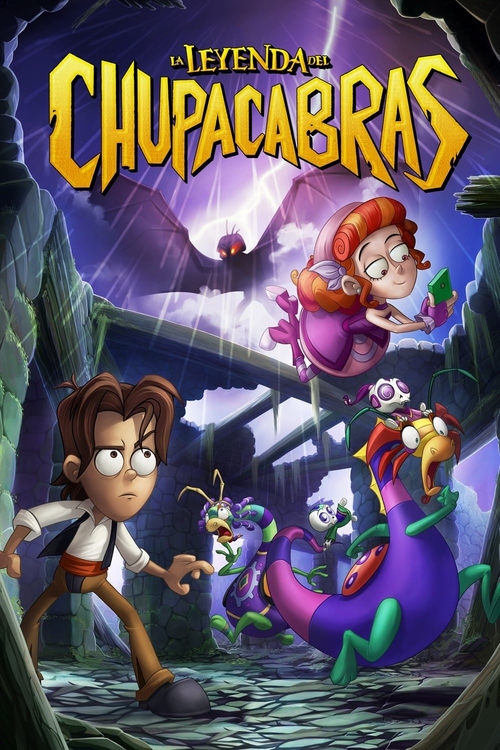
The Legend of the Chupacabras
Leo San Juan and his team of "ghostbusters" continue with their adventures, this time fighting against the mexican monster himself: "El Chupacabras".
Despite its tight budget of $1.6M, The Legend of the Chupacabras became a box office success, earning $5.1M worldwide—a 219% return. The film's innovative storytelling resonated with audiences, showing that strong storytelling can transcend budget limitations.





Plot Structure
Story beats plotted across runtime


Narrative Arc
Emotional journey through the story's key moments
Story Circle
Blueprint 15-beat structure
Arcplot Score Breakdown
Weighted: Precision (70%) + Arc (15%) + Theme (15%)
The Legend of the Chupacabras (2016) demonstrates meticulously timed narrative architecture, characteristic of Alberto Rodríguez's storytelling approach. This structural analysis examines how the film's 15-point plot structure maps to proven narrative frameworks across 1 hour and 23 minutes. With an Arcplot score of 7.6, the film showcases strong structural fundamentals.
Structural Analysis
The Status Quo at 1 minutes (1% through the runtime) establishes Leo San Juan and his friends are traveling through rural Mexico, established as a group of young heroes who have faced supernatural threats before. The world is bright and adventurous.. Structural examination shows that this early placement immediately immerses viewers in the story world.
The inciting incident occurs at 10 minutes when The group encounters evidence of the Chupacabra's attacks - livestock drained of blood, terrified villagers, and fresh signs that the creature is real and active. The peaceful journey becomes a dangerous investigation.. At 12% through the film, this Disruption aligns precisely with traditional story structure. This beat shifts the emotional landscape, launching the protagonist into the central conflict.
The First Threshold at 21 minutes marks the transition into Act II, occurring at 25% of the runtime. This shows the protagonist's commitment to Leo decides to actively hunt the Chupacabra and protect the village. The group commits to staying and facing the creature rather than moving on, crossing into the world of this supernatural adventure., moving from reaction to action.
At 42 minutes, the Midpoint arrives at 50% of the runtime—precisely centered, creating perfect narrative symmetry. Of particular interest, this crucial beat The group has their first direct confrontation with the Chupacabra and either discovers the creature is more dangerous than expected, or they realize there's a larger conspiracy behind the attacks. Stakes are raised significantly., fundamentally raising what's at risk. The emotional intensity shifts, dividing the narrative into clear before-and-after phases.
The Collapse moment at 62 minutes (75% through) represents the emotional nadir. Here, The team's plan fails catastrophically, someone is captured or seriously endangered by the Chupacabra, or they discover the truth too late. The village faces imminent destruction and all seems lost., indicates the protagonist at their lowest point. This beat's placement in the final quarter sets up the climactic reversal.
The Second Threshold at 66 minutes initiates the final act resolution at 80% of the runtime. Leo realizes the truth about the Chupacabra (perhaps that it's misunderstood, being controlled, or that the real monster is human greed/fear). He synthesizes courage with compassion and formulates a new plan., demonstrating the transformation achieved throughout the journey.
Emotional Journey
The Legend of the Chupacabras's emotional architecture traces a deliberate progression across 15 carefully calibrated beats.
Narrative Framework
This structural analysis employs systematic plot point analysis that identifies crucial turning points. By mapping The Legend of the Chupacabras against these established plot points, we can identify how Alberto Rodríguez utilizes or subverts traditional narrative conventions. The plot point approach reveals not only adherence to structural principles but also creative choices that distinguish The Legend of the Chupacabras within the animation genre.
Alberto Rodríguez's Structural Approach
Among the 3 Alberto Rodríguez films analyzed on Arcplot, the average structural score is 7.3, reflecting strong command of classical structure. The Legend of the Chupacabras represents one of the director's most structurally precise works. For comparative analysis, explore the complete Alberto Rodríguez filmography.
Comparative Analysis
Additional animation films include The Bad Guys, The Quintessential Quintuplets Movie and Fate/stay night: Heaven's Feel I. Presage Flower. For more Alberto Rodríguez analyses, see Marshland, The Legend of the Black Charro.
Plot Points by Act
Act I
SetupStatus Quo
Leo San Juan and his friends are traveling through rural Mexico, established as a group of young heroes who have faced supernatural threats before. The world is bright and adventurous.
Theme
A character mentions that "the real monsters are the ones who create fear" or discusses how legends are born from misunderstanding, establishing the theme of looking beyond appearances and fear.
Worldbuilding
Introduction to the rural Mexican setting, the local villagers living in fear, and the legend of the Chupacabra. Leo and his friends' relationships and personalities are established, along with the atmosphere of mystery and folklore.
Disruption
The group encounters evidence of the Chupacabra's attacks - livestock drained of blood, terrified villagers, and fresh signs that the creature is real and active. The peaceful journey becomes a dangerous investigation.
Resistance
Leo and friends debate whether to get involved or continue their journey. They gather information about the Chupacabra legend, meet locals who have knowledge of the creature, and Leo wrestles with whether this is their fight.
Act II
ConfrontationFirst Threshold
Leo decides to actively hunt the Chupacabra and protect the village. The group commits to staying and facing the creature rather than moving on, crossing into the world of this supernatural adventure.
Mirror World
Leo forms a connection with a local character (possibly a young villager or someone who has encountered the Chupacabra) who represents the theme - someone who has learned to see past fear and appearances.
Premise
The fun of hunting the Chupacabra - setting traps, investigating sightings, close encounters with the creature, and exploring the supernatural mystery. The adventure and comedy elements are highlighted as the team works together.
Midpoint
The group has their first direct confrontation with the Chupacabra and either discovers the creature is more dangerous than expected, or they realize there's a larger conspiracy behind the attacks. Stakes are raised significantly.
Opposition
The Chupacabra attacks escalate, the group faces setbacks and dangers, and they may discover that humans are manipulating or have created the threat. Leo's leadership is tested and the team faces increasing pressure and internal conflict.
Collapse
The team's plan fails catastrophically, someone is captured or seriously endangered by the Chupacabra, or they discover the truth too late. The village faces imminent destruction and all seems lost.
Crisis
Leo and the team process their failure in the darkness. They doubt themselves and question whether they can truly stop the threat. The emotional low point before the final push.
Act III
ResolutionSecond Threshold
Leo realizes the truth about the Chupacabra (perhaps that it's misunderstood, being controlled, or that the real monster is human greed/fear). He synthesizes courage with compassion and formulates a new plan.
Synthesis
The final confrontation where Leo and friends execute their new plan, face the true antagonist, free or understand the Chupacabra, and save the village. The thematic lesson about looking past fear and appearances is proven.
Transformation
Leo and the group depart the village as celebrated heroes. The final image mirrors the opening but shows growth - they're more confident, the village is at peace, and the legend has been understood rather than feared.