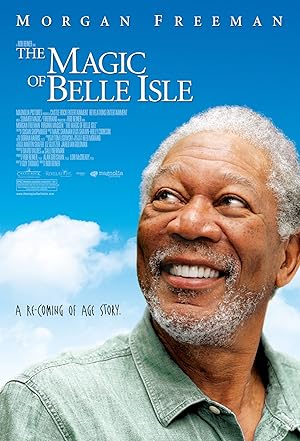
The Magic of Belle Isle
Monty Wildhorn, an alcoholic novelist of Westerns, has lost his drive. His nephew pushes him to summer in quiet Belle Isle. He begrudgingly befriends a newly single mom and her 3 girls who help him find the inspiration to write again.
The film earned $124K at the global box office.


Plot Structure
Story beats plotted across runtime


Narrative Arc
Emotional journey through the story's key moments
Story Circle
Blueprint 15-beat structure
Arcplot Score Breakdown
Weighted: Precision (70%) + Arc (15%) + Theme (15%)
The Magic of Belle Isle (2012) demonstrates precise narrative design, characteristic of Rob Reiner's storytelling approach. This structural analysis examines how the film's 15-point plot structure maps to proven narrative frameworks across 1 hour and 49 minutes. With an Arcplot score of 6.7, the film balances conventional beats with creative variation.
Structural Analysis
The Status Quo at 2 minutes (1% through the runtime) establishes Monte Wildhorn, a once-famous Western novelist, is shown as a bitter, wheelchair-bound alcoholic who has given up writing and retreated into isolation and self-destruction.. Structural examination shows that this early placement immediately immerses viewers in the story world.
The inciting incident occurs at 12 minutes when Finnegan approaches Monte and asks him to teach her how to write. Her genuine enthusiasm and persistence pierce through his defenses, creating an opportunity for connection he hadn't anticipated.. At 11% through the film, this Disruption aligns precisely with traditional story structure. This beat shifts the emotional landscape, launching the protagonist into the central conflict.
The First Threshold at 28 minutes marks the transition into Act II, occurring at 25% of the runtime. This indicates the protagonist's commitment to Monte makes the active choice to teach Finnegan about writing and storytelling. He commits to engaging with life again, stepping out of his self-imposed exile and into meaningful connection with others., moving from reaction to action.
At 56 minutes, the Midpoint arrives at 51% of the runtime—precisely centered, creating perfect narrative symmetry. The analysis reveals that this crucial beat Monte experiences a significant moment of genuine happiness and connection - possibly a romantic breakthrough with Charlotte or meaningful recognition of his transformation. False victory: he believes he can sustain this new life without fully confronting his deeper demons., fundamentally raising what's at risk. The emotional intensity shifts, dividing the narrative into clear before-and-after phases.
The Collapse moment at 82 minutes (75% through) represents the emotional nadir. Here, Monte suffers a significant relapse or breakdown, his drinking reaching crisis point. He potentially embarrasses himself before the O'Neils or community. Whiff of death: the death of hope that he can truly change, the death of the new life he's been building., demonstrates the protagonist at their lowest point. This beat's placement in the final quarter sets up the climactic reversal.
The Second Threshold at 89 minutes initiates the final act resolution at 82% of the runtime. Monte makes a clear choice to genuinely change. He takes concrete action - perhaps pouring out alcohol, reaching out for help, or committing to sobriety. He synthesizes what he's learned from the O'Neils about imagination and hope with his own strength, deciding to fight for his transformation., demonstrating the transformation achieved throughout the journey.
Emotional Journey
The Magic of Belle Isle's emotional architecture traces a deliberate progression across 15 carefully calibrated beats.
Narrative Framework
This structural analysis employs systematic plot point analysis that identifies crucial turning points. By mapping The Magic of Belle Isle against these established plot points, we can identify how Rob Reiner utilizes or subverts traditional narrative conventions. The plot point approach reveals not only adherence to structural principles but also creative choices that distinguish The Magic of Belle Isle within the comedy genre.
Rob Reiner's Structural Approach
Among the 17 Rob Reiner films analyzed on Arcplot, the average structural score is 6.9, demonstrating varied approaches to story architecture. The Magic of Belle Isle takes a more unconventional approach compared to the director's typical style. For comparative analysis, explore the complete Rob Reiner filmography.
Comparative Analysis
Additional comedy films include The Bad Guys, Ella Enchanted and The Evening Star. For more Rob Reiner analyses, see The Sure Thing, The American President and The Story of Us.
Plot Points by Act
Act I
SetupStatus Quo
Monte Wildhorn, a once-famous Western novelist, is shown as a bitter, wheelchair-bound alcoholic who has given up writing and retreated into isolation and self-destruction.
Theme
Finnegan or Charlotte mentions something about imagination, magic, or believing in second chances - the idea that creativity and connection can restore what's been lost.
Worldbuilding
Monte arrives at Belle Isle to house-sit for the summer. We meet the O'Neil family: Charlotte, a recently separated single mother, and her three daughters - imaginative Finnegan, practical Willow, and young Flora. The lakeside community and Monte's isolated mindset are established.
Disruption
Finnegan approaches Monte and asks him to teach her how to write. Her genuine enthusiasm and persistence pierce through his defenses, creating an opportunity for connection he hadn't anticipated.
Resistance
Monte resists engaging with Finnegan, the O'Neil family, and the Belle Isle community. He's gruff, continues drinking, and wants to maintain his isolation. However, Finnegan's persistence and the family's warmth gradually chip away at his armor as he debates whether to open himself up.
Act II
ConfrontationFirst Threshold
Monte makes the active choice to teach Finnegan about writing and storytelling. He commits to engaging with life again, stepping out of his self-imposed exile and into meaningful connection with others.
Mirror World
The romantic relationship between Monte and Charlotte begins to develop as the thematic B-story. Both are wounded souls seeking renewal - Charlotte dealing with separation, Monte with loss and addiction. Their connection represents the possibility of love and second chances.
Premise
The promise of the premise unfolds: Monte teaches Finnegan about imagination and creating characters from observation. He engages with the quirky Belle Isle community, helps the O'Neil girls with imaginary adventures, and begins rediscovering joy. His connection with Charlotte deepens as they share vulnerabilities. Monte starts to believe in the magic of life again.
Midpoint
Monte experiences a significant moment of genuine happiness and connection - possibly a romantic breakthrough with Charlotte or meaningful recognition of his transformation. False victory: he believes he can sustain this new life without fully confronting his deeper demons.
Opposition
Internal bad guys close in: Monte's alcoholism and self-destructive patterns reassert themselves. External pressures mount with the temporary nature of summer becoming apparent and possible complications from Charlotte's estranged husband. Monte struggles with whether he can truly change or if he's been fooling himself and others.
Collapse
Monte suffers a significant relapse or breakdown, his drinking reaching crisis point. He potentially embarrasses himself before the O'Neils or community. Whiff of death: the death of hope that he can truly change, the death of the new life he's been building.
Crisis
Monte hits emotional rock bottom. He faces the reality of his addiction and fears he's unworthy of the love and connection he's found. He may push Charlotte and the girls away, believing he'll only hurt them. The dark night of soul as summer ends and he must decide who he truly wants to be.
Act III
ResolutionSecond Threshold
Monte makes a clear choice to genuinely change. He takes concrete action - perhaps pouring out alcohol, reaching out for help, or committing to sobriety. He synthesizes what he's learned from the O'Neils about imagination and hope with his own strength, deciding to fight for his transformation.
Synthesis
Monte proves his transformation is real through action. He may complete a new novel (returning to writing as symbol of rebirth), reconciles with Charlotte and the girls, and demonstrates he's learned to embrace imagination, hope, and love. He resolves the summer's conflicts and commits to his new self.
Transformation
Final image shows Monte as a transformed man - sober, writing again, emotionally open and connected. Contrasts sharply with the bitter, isolated alcoholic from the opening. He has rediscovered the magic of life, proving that broken people can heal and start again.