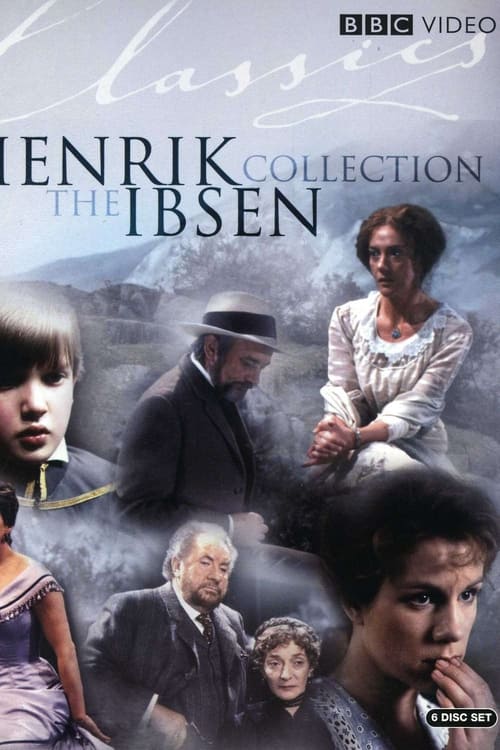
The Master Builder
Ibsen's play is the story of Halvard Solness, Master Builder of a town in Norway. Solness is a successful architect but he's afraid of the being surpassed by those younger than himself. The arrival of a young woman called Hilda stirs up memories and feelings with stories of a promise he made her many years ago.
Plot Structure
Story beats plotted across runtime


Narrative Arc
Emotional journey through the story's key moments
Story Circle
Blueprint 15-beat structure
Arcplot Score Breakdown
Weighted: Precision (70%) + Arc (15%) + Theme (15%)
The Master Builder (1988) demonstrates deliberately positioned plot construction, characteristic of Michael Darlow's storytelling approach. This structural analysis examines how the film's 15-point plot structure maps to proven narrative frameworks across 2 hours and 18 minutes. With an Arcplot score of 7.0, the film balances conventional beats with creative variation.
Structural Analysis
The Status Quo at 2 minutes (1% through the runtime) establishes Halvard Solness, a successful master builder, sits in his office surrounded by his work, appearing established yet troubled. His position of power is clear, but so is an underlying anxiety about maintaining his status.. Structural examination shows that this early placement immediately immerses viewers in the story world.
The inciting incident occurs at 17 minutes when Hilda Wangel, a vibrant young woman, arrives unexpectedly at Solness's office, claiming he made her a promise ten years ago when she was a child. Her arrival disrupts the stagnant household and awakens something dormant in Solness.. At 12% through the film, this Disruption aligns precisely with traditional story structure. This beat shifts the emotional landscape, launching the protagonist into the central conflict.
The First Threshold at 36 minutes marks the transition into Act II, occurring at 26% of the runtime. This indicates the protagonist's commitment to Solness decides to let Hilda stay in his home and engages fully with her challenge. He chooses to pursue the impossible dream she represents rather than dismiss her, crossing into a world where he must confront his past and his fear of heights, both literal and metaphorical., moving from reaction to action.
At 70 minutes, the Midpoint arrives at 51% of the runtime—precisely centered, creating perfect narrative symmetry. Of particular interest, this crucial beat Solness commits to building his new house with a tower and promises Hilda he will climb it for her, just as he did ten years ago. This false victory represents his belief that he can recapture his youth and courage, but the stakes are now raised—he must prove himself or be exposed as a coward., fundamentally raising what's at risk. The emotional intensity shifts, dividing the narrative into clear before-and-after phases.
The Collapse moment at 104 minutes (75% through) represents the emotional nadir. Here, Solness faces the completed tower and the crowd waiting below. His vertigo and terror are palpable. The moment contains the "whiff of death"—literal death awaits at the tower's height, but also the death of his illusions about reclaiming youth and escaping his guilt-ridden past., demonstrates the protagonist at their lowest point. This beat's placement in the final quarter sets up the climactic reversal.
The Second Threshold at 111 minutes initiates the final act resolution at 80% of the runtime. Solness makes his choice: he begins to climb the tower. Synthesizing Hilda's challenge with his own desperate need for vindication, he chooses the attempt over the certainty of decline. Whether madness or courage, he commits to the climb., demonstrating the transformation achieved throughout the journey.
Emotional Journey
The Master Builder's emotional architecture traces a deliberate progression across 15 carefully calibrated beats.
Narrative Framework
This structural analysis employs structural analysis methodology used to understand storytelling architecture. By mapping The Master Builder against these established plot points, we can identify how Michael Darlow utilizes or subverts traditional narrative conventions. The plot point approach reveals not only adherence to structural principles but also creative choices that distinguish The Master Builder within the comedy genre.
Comparative Analysis
Additional comedy films include The Bad Guys, Ella Enchanted and The Evening Star.
Plot Points by Act
Act I
SetupStatus Quo
Halvard Solness, a successful master builder, sits in his office surrounded by his work, appearing established yet troubled. His position of power is clear, but so is an underlying anxiety about maintaining his status.
Theme
Knut Brovik, the elderly draftsman, speaks of youth and the inevitability of being replaced: "The younger generation will come knocking at your door... and then there's nothing to do but give way." This encapsulates the film's exploration of legacy, fear of obsolescence, and the passage of time.
Worldbuilding
Establishment of Solness's architectural practice, his relationships with employees Knut and Ragnar Brovik, his wife Aline's quiet suffering over their dead children, and Solness's guilt-ridden past involving a fire that launched his career. His fear of youth and paranoid control over his practice are revealed.
Disruption
Hilda Wangel, a vibrant young woman, arrives unexpectedly at Solness's office, claiming he made her a promise ten years ago when she was a child. Her arrival disrupts the stagnant household and awakens something dormant in Solness.
Resistance
Solness and Hilda circle each other as she reminds him of their past encounter when he climbed a church tower and kissed her. Solness is both drawn to and frightened by what she represents: youth, vitality, and accountability for his promises. He resists fully embracing what she offers.
Act II
ConfrontationFirst Threshold
Solness decides to let Hilda stay in his home and engages fully with her challenge. He chooses to pursue the impossible dream she represents rather than dismiss her, crossing into a world where he must confront his past and his fear of heights, both literal and metaphorical.
Mirror World
Hilda becomes the thematic mirror, representing everything Solness fears and desires: youth's fearlessness, the demand for authenticity, and the challenge to live up to one's greatest potential. She embodies the vitality his marriage and practice lack.
Premise
Solness reveals his deepest fears and secrets to Hilda: his guilt over the fire that killed Aline's parents and their twin sons, his manipulation of the Broviks, his fear of retribution from youth. Hilda pushes him to reclaim his courage and build "castles in the air." The promise of the premise: can this aging master reclaim his fearless youth?
Midpoint
Solness commits to building his new house with a tower and promises Hilda he will climb it for her, just as he did ten years ago. This false victory represents his belief that he can recapture his youth and courage, but the stakes are now raised—he must prove himself or be exposed as a coward.
Opposition
Reality closes in: Aline's pain becomes more visible, Dr. Herdal warns of madness, Ragnar demands independence, and Solness's psychological fragility becomes apparent. His fear of heights intensifies as the completion of the tower approaches. Hilda's insistence grows more demanding and dangerous.
Collapse
Solness faces the completed tower and the crowd waiting below. His vertigo and terror are palpable. The moment contains the "whiff of death"—literal death awaits at the tower's height, but also the death of his illusions about reclaiming youth and escaping his guilt-ridden past.
Crisis
Solness stands alone with his decision. Hilda watches from below, demanding he fulfill his promise. Aline represents the life of quiet suffering he's trapped in. The crowd waits. He must choose between safety and the dangerous dream, between accepting decline and grasping at transcendence.
Act III
ResolutionSecond Threshold
Solness makes his choice: he begins to climb the tower. Synthesizing Hilda's challenge with his own desperate need for vindication, he chooses the attempt over the certainty of decline. Whether madness or courage, he commits to the climb.
Synthesis
Solness climbs the tower as the crowd watches in tension and awe. He reaches the top and waves his hat in triumph. For a moment, the master builder has conquered his fear and fulfilled his promise. Then he falls, plummeting to his death as Hilda cries out and the crowd screams.
Transformation
Hilda stands transfixed, looking upward with ecstatic intensity, hearing harps in the air as she declares "My master builder!" Solness lies dead below, but in Hilda's eyes he has achieved transcendence. The transformation is ambiguous: tragedy or apotheosis, cautionary tale or triumph of will over limitation.