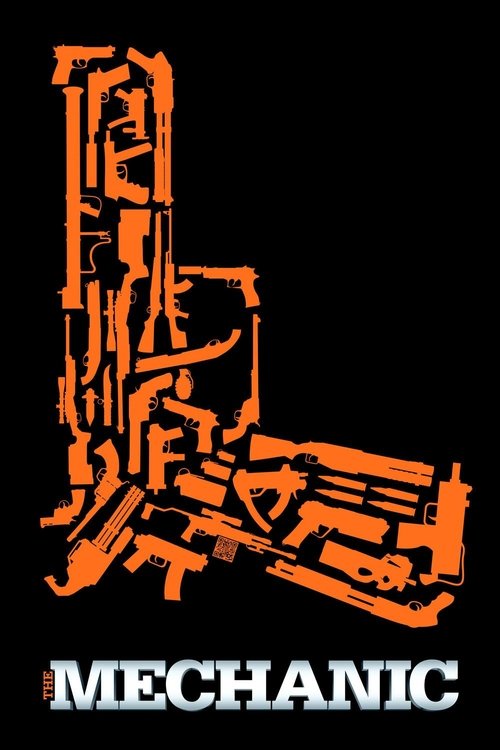
The Mechanic
Arthur Bishop is a 'mechanic' - an elite assassin with a strict code requiring professional perfection and total detachment. One of an elite group of assassins, Bishop may be the best in the business - with a unique talent for cleanly eliminating targets. When Harry McKenna, his close friend and mentor, is murdered, Harry's son comes to him with vengeance in his heart and a desire to learn Bishop's trade, signaling the birth of a deadly partnership.
Working with a respectable budget of $40.0M, the film achieved a modest success with $51.1M in global revenue (+28% profit margin).


Plot Structure
Story beats plotted across runtime


Narrative Arc
Emotional journey through the story's key moments
Story Circle
Blueprint 15-beat structure
Arcplot Score Breakdown
Weighted: Precision (70%) + Arc (15%) + Theme (15%)
The Mechanic (2011) reveals meticulously timed narrative design, characteristic of Simon West's storytelling approach. This structural analysis examines how the film's 15-point plot structure maps to proven narrative frameworks across 1 hour and 33 minutes. With an Arcplot score of 7.4, the film balances conventional beats with creative variation.
Structural Analysis
The Status Quo at 1 minutes (1% through the runtime) establishes Arthur Bishop executes a flawless assassination disguised as a drowning, showcasing his meticulous, isolated lifestyle as an elite hitman who lives by strict routine and emotional detachment.. Structural examination shows that this early placement immediately immerses viewers in the story world.
The inciting incident occurs at 11 minutes when Arthur receives orders from handler Dean to kill Harry McKenna, his only friend and father figure, who has allegedly betrayed the organization. Arthur is devastated but accepts the contract.. At 11% through the film, this Disruption aligns precisely with traditional story structure. This beat shifts the emotional landscape, launching the protagonist into the central conflict.
The First Threshold at 22 minutes marks the transition into Act II, occurring at 24% of the runtime. This reveals the protagonist's commitment to Arthur decides to take Harry's troubled son Steve under his wing, breaking his cardinal rule of isolation. He actively chooses to mentor Steve, entering a dangerous new world of human attachment., moving from reaction to action.
At 47 minutes, the Midpoint arrives at 50% of the runtime—precisely centered, creating perfect narrative symmetry. Significantly, this crucial beat Arthur and Steve successfully complete a high-stakes double assassination at a mansion, working in perfect sync. Their partnership seems validated—a false victory suggesting Arthur can have connection without consequence., fundamentally raising what's at risk. The emotional intensity shifts, dividing the narrative into clear before-and-after phases.
The Collapse moment at 68 minutes (73% through) represents the emotional nadir. Here, Steve discovers evidence that Arthur killed his father. Their relationship—the only meaningful connection Arthur has allowed himself—dies. Arthur realizes his attempt to be more than a machine has destroyed everything., shows the protagonist at their lowest point. This beat's placement in the final quarter sets up the climactic reversal.
The Second Threshold at 73 minutes initiates the final act resolution at 78% of the runtime. Arthur realizes Dean has been manipulating everyone and decides to take revenge for Harry's murder. He synthesizes his mechanical precision with his newly awakened capacity for loyalty and love—choosing to act on principle rather than orders., demonstrating the transformation achieved throughout the journey.
Emotional Journey
The Mechanic's emotional architecture traces a deliberate progression across 15 carefully calibrated beats.
Narrative Framework
This structural analysis employs structural analysis methodology used to understand storytelling architecture. By mapping The Mechanic against these established plot points, we can identify how Simon West utilizes or subverts traditional narrative conventions. The plot point approach reveals not only adherence to structural principles but also creative choices that distinguish The Mechanic within the action genre.
Simon West's Structural Approach
Among the 9 Simon West films analyzed on Arcplot, the average structural score is 7.4, reflecting strong command of classical structure. The Mechanic represents one of the director's most structurally precise works. For comparative analysis, explore the complete Simon West filmography.
Comparative Analysis
Additional action films include The Bad Guys, Puss in Boots and Venom: The Last Dance. For more Simon West analyses, see The General's Daughter, Old Guy and Skyfire.
Plot Points by Act
Act I
SetupStatus Quo
Arthur Bishop executes a flawless assassination disguised as a drowning, showcasing his meticulous, isolated lifestyle as an elite hitman who lives by strict routine and emotional detachment.
Theme
Harry McKenna tells Arthur "You're thinking about it too much," advising against emotional attachment. This establishes the core theme: the cost of living a life devoid of human connection.
Worldbuilding
Arthur's solitary world is established: his relationship with mentor Harry McKenna, his mechanical approach to killing, his empty home life, and brief encounters with a prostitute that substitute for real intimacy.
Disruption
Arthur receives orders from handler Dean to kill Harry McKenna, his only friend and father figure, who has allegedly betrayed the organization. Arthur is devastated but accepts the contract.
Resistance
Arthur debates the assignment, investigates Harry's alleged betrayal, spends final time with his mentor, and ultimately executes him by staging a carjacking. He wrestles with guilt and attends the funeral.
Act II
ConfrontationFirst Threshold
Arthur decides to take Harry's troubled son Steve under his wing, breaking his cardinal rule of isolation. He actively chooses to mentor Steve, entering a dangerous new world of human attachment.
Mirror World
Steve McKenna becomes Arthur's apprentice and thematic mirror—impulsive where Arthur is controlled, emotional where Arthur is detached. Their relationship will force Arthur to confront what he's sacrificed for his profession.
Premise
Arthur trains Steve in the art of assassination. They execute contracts together, including eliminating a cult leader and a bodyguard. Steve learns the craft while Arthur experiences mentorship and companionship for the first time.
Midpoint
Arthur and Steve successfully complete a high-stakes double assassination at a mansion, working in perfect sync. Their partnership seems validated—a false victory suggesting Arthur can have connection without consequence.
Opposition
Steve becomes increasingly reckless and curious about his father's death. Arthur discovers Dean orchestrated Harry's murder for business reasons. Dean becomes suspicious of Arthur and Steve's loyalty, assigning them a dangerous target.
Collapse
Steve discovers evidence that Arthur killed his father. Their relationship—the only meaningful connection Arthur has allowed himself—dies. Arthur realizes his attempt to be more than a machine has destroyed everything.
Crisis
Arthur processes the loss of Steve's trust and confronts the consequences of his choices. He accepts that his life of violence has poisoned any chance at redemption or genuine human connection.
Act III
ResolutionSecond Threshold
Arthur realizes Dean has been manipulating everyone and decides to take revenge for Harry's murder. He synthesizes his mechanical precision with his newly awakened capacity for loyalty and love—choosing to act on principle rather than orders.
Synthesis
Arthur systematically eliminates Dean and his organization. Steve attempts to kill Arthur but is outsmarted. Arthur fakes his death and orchestrates Steve's demise via explosive, eliminating all loose ends with mechanical efficiency.
Transformation
Arthur walks away alone into anonymity, having eliminated everyone connected to him. The final image mirrors the opening isolation—he remains the perfect machine, but now fully aware of what he's sacrificed. Connection attempted, connection destroyed.