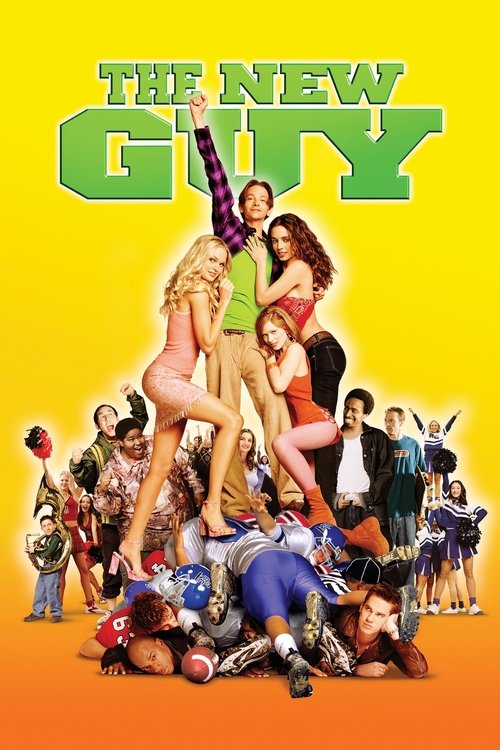
The New Guy
Nerdy high school senior Dizzy Harrison has finally gotten lucky -- after purposely getting expelled, he takes lessons in 'badass cool' from a convict and enrolls at a new school. But can he keep up the ruse?
Despite its limited budget of $13.0M, The New Guy became a financial success, earning $31.2M worldwide—a 140% return.


Plot Structure
Story beats plotted across runtime


Narrative Arc
Emotional journey through the story's key moments
Story Circle
Blueprint 15-beat structure
Arcplot Score Breakdown
Weighted: Precision (70%) + Arc (15%) + Theme (15%)
The New Guy (2002) exhibits deliberately positioned plot construction, characteristic of Ed Decter's storytelling approach. This structural analysis examines how the film's 15-point plot structure maps to proven narrative frameworks across 1 hour and 28 minutes. With an Arcplot score of 7.3, the film balances conventional beats with creative variation.
Structural Analysis
The Status Quo at 1 minutes (1% through the runtime) establishes Dizzy Harrison is the ultimate high school outcast at Rocky Creek High, tormented by jocks and bullies, establishing his miserable existence as the school's most pathetic loser.. Significantly, this early placement immediately immerses viewers in the story world.
The inciting incident occurs at 10 minutes when After the ultimate humiliation during a pep rally (being stripped and hung from the flagpole), Dizzy snaps and attacks the school mascot, resulting in his expulsion from Rocky Creek High.. At 12% through the film, this Disruption aligns precisely with traditional story structure. This beat shifts the emotional landscape, launching the protagonist into the central conflict.
The First Threshold at 22 minutes marks the transition into Act II, occurring at 25% of the runtime. This illustrates the protagonist's commitment to Dizzy makes the active choice to reinvent himself completely. He enrolls at a new school (East Highland High) as "Gil Harris," a dangerous rebel with a fake prison reputation, crossing into his new identity., moving from reaction to action.
At 43 minutes, the Midpoint arrives at 49% of the runtime—precisely centered, creating perfect narrative symmetry. Of particular interest, this crucial beat False victory: Dizzy reaches peak popularity - he's crowned homecoming king, has the respect of the entire school, and seems to have everything he wanted, but his lies are becoming harder to maintain., fundamentally raising what's at risk. The emotional intensity shifts, dividing the narrative into clear before-and-after phases.
The Collapse moment at 65 minutes (74% through) represents the emotional nadir. Here, Dizzy is publicly exposed as a fraud at the big game. His old tormenters reveal the truth about who he really is - the pathetic loser from Rocky Creek. His entire new identity dies as everyone witnesses his humiliation., demonstrates the protagonist at their lowest point. This beat's placement in the final quarter sets up the climactic reversal.
The Second Threshold at 70 minutes initiates the final act resolution at 80% of the runtime. Dizzy realizes he doesn't need to be fake-tough or the old pathetic version - he can be authentically himself with the confidence he's gained. He decides to make things right and be genuine., demonstrating the transformation achieved throughout the journey.
Emotional Journey
The New Guy's emotional architecture traces a deliberate progression across 15 carefully calibrated beats.
Narrative Framework
This structural analysis employs a 15-point narrative structure framework that maps key story moments. By mapping The New Guy against these established plot points, we can identify how Ed Decter utilizes or subverts traditional narrative conventions. The plot point approach reveals not only adherence to structural principles but also creative choices that distinguish The New Guy within the comedy genre.
Comparative Analysis
Additional comedy films include The Bad Guys, Ella Enchanted and The Evening Star.
Plot Points by Act
Act I
SetupStatus Quo
Dizzy Harrison is the ultimate high school outcast at Rocky Creek High, tormented by jocks and bullies, establishing his miserable existence as the school's most pathetic loser.
Theme
A character suggests that high school is about who you present yourself to be, not who you really are - hinting at the film's central theme about reinvention and identity.
Worldbuilding
Establishment of Dizzy's daily torture at Rocky Creek High, his unrequited crush on a popular girl, hisodyball team humiliation, and the brutal social hierarchy that defines his world.
Disruption
After the ultimate humiliation during a pep rally (being stripped and hung from the flagpole), Dizzy snaps and attacks the school mascot, resulting in his expulsion from Rocky Creek High.
Resistance
Dizzy's father gets him intentionally sent to juvenile detention where he meets Luther, a hardened prison mentor who teaches him how to be tough, cool, and command respect through attitude and presence.
Act II
ConfrontationFirst Threshold
Dizzy makes the active choice to reinvent himself completely. He enrolls at a new school (East Highland High) as "Gil Harris," a dangerous rebel with a fake prison reputation, crossing into his new identity.
Mirror World
Dizzy meets Danielle, a genuine and kind girl who sees beyond his fake tough-guy persona and will become his love interest and the person who represents authentic connection versus manufactured image.
Premise
Dizzy enjoys his new popularity as "Gil," becoming the coolest kid at East Highland, defeating the reigning jock, winning over the school, throwing legendary parties, and living the high school dream he always wanted.
Midpoint
False victory: Dizzy reaches peak popularity - he's crowned homecoming king, has the respect of the entire school, and seems to have everything he wanted, but his lies are becoming harder to maintain.
Opposition
The jocks from Rocky Creek discover Dizzy's new identity and plan to expose him. His lies multiply as he tries to maintain his facade. Danielle begins to see through his act, and the pressure of living the lie intensifies.
Collapse
Dizzy is publicly exposed as a fraud at the big game. His old tormenters reveal the truth about who he really is - the pathetic loser from Rocky Creek. His entire new identity dies as everyone witnesses his humiliation.
Crisis
Dizzy wallows in his exposed shame. He loses his popularity, Danielle's trust, and his friends. He confronts the emptiness of the fake identity and must decide who he really wants to be.
Act III
ResolutionSecond Threshold
Dizzy realizes he doesn't need to be fake-tough or the old pathetic version - he can be authentically himself with the confidence he's gained. He decides to make things right and be genuine.
Synthesis
Dizzy rallies his real friends, stands up to his old bullies with authentic courage (not manufactured toughness), wins back Danielle by being honest, and helps unite both schools against the real jerks.
Transformation
Dizzy is accepted for who he truly is - neither the pathetic loser nor the fake tough guy, but a genuine person with real confidence. He has Danielle, real friends, and authentic self-respect.