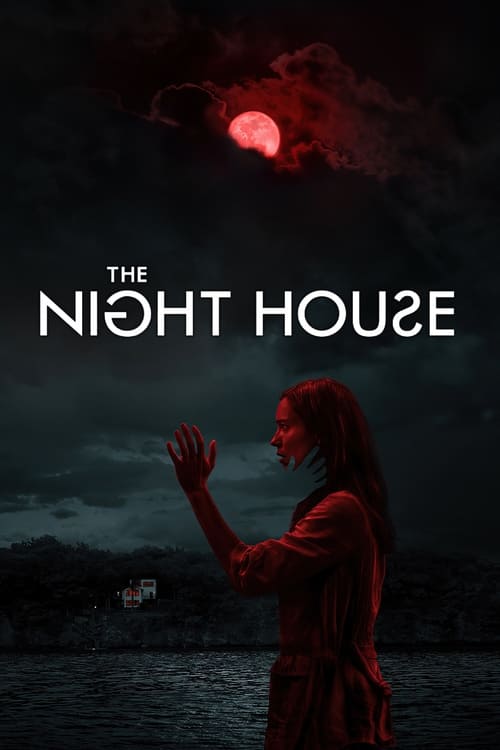
The Night House
Reeling from the unexpected death of her husband, Beth is left alone in the lakeside home he built for her. Soon she begins to uncover her recently deceased husband's disturbing secrets.
The film earned $14.6M at the global box office.
1 win & 19 nominations


Plot Structure
Story beats plotted across runtime


Narrative Arc
Emotional journey through the story's key moments
Story Circle
Blueprint 15-beat structure
Arcplot Score Breakdown
Weighted: Precision (70%) + Arc (15%) + Theme (15%)
The Night House (2021) exemplifies meticulously timed dramatic framework, characteristic of David Bruckner's storytelling approach. This structural analysis examines how the film's 15-point plot structure maps to proven narrative frameworks across 1 hour and 47 minutes. With an Arcplot score of 7.1, the film balances conventional beats with creative variation.
Structural Analysis
The Status Quo at 1 minutes (1% through the runtime) establishes Beth sits alone in her lakeside house, recently widowed after her husband Owen's suicide. She drinks wine, unable to sleep, haunted by grief and the emptiness of the home Owen built for them.. Structural examination shows that this early placement immediately immerses viewers in the story world.
The inciting incident occurs at 13 minutes when Beth discovers photographs on Owen's secret phone showing a woman who looks exactly like her, along with architectural plans for a house that mirrors their own. Her understanding of her marriage begins to unravel.. At 12% through the film, this Disruption aligns precisely with traditional story structure. This beat shifts the emotional landscape, launching the protagonist into the central conflict.
The First Threshold at 27 minutes marks the transition into Act II, occurring at 25% of the runtime. This illustrates the protagonist's commitment to Beth discovers the reverse house across the lake—a mirror image of her home that Owen secretly built. She chooses to enter it, crossing into the investigation of Owen's true nature and the supernatural entity connected to him., moving from reaction to action.
At 54 minutes, the Midpoint arrives at 50% of the runtime—precisely centered, creating perfect narrative symmetry. Structural examination shows that this crucial beat Beth learns the horrifying truth: Owen was killing women who resembled her as sacrifices to the entity called "Nothing," which had been hunting Beth since her near-death experience. Owen's murders were attempts to satiate the void and protect her., fundamentally raising what's at risk. The emotional intensity shifts, dividing the narrative into clear before-and-after phases.
The Collapse moment at 80 minutes (75% through) represents the emotional nadir. Here, The entity fully manifests, revealing itself as the "Nothing" that Beth encountered during her near-death experience. It shows her that Owen killed himself because he could no longer protect her through murder. Beth faces the void that has been calling to her since she died on the operating table., illustrates the protagonist at their lowest point. This beat's placement in the final quarter sets up the climactic reversal.
The Second Threshold at 86 minutes initiates the final act resolution at 80% of the runtime. Beth finds Owen's final note explaining everything—his love for her was genuine, and he killed himself using his own gun because he couldn't continue murdering to save her. She realizes she must choose to live despite the void's seduction., demonstrating the transformation achieved throughout the journey.
Emotional Journey
The Night House's emotional architecture traces a deliberate progression across 15 carefully calibrated beats.
Narrative Framework
This structural analysis employs proven narrative structure principles that track dramatic progression. By mapping The Night House against these established plot points, we can identify how David Bruckner utilizes or subverts traditional narrative conventions. The plot point approach reveals not only adherence to structural principles but also creative choices that distinguish The Night House within the horror genre.
Comparative Analysis
Additional horror films include Thinner, A Nightmare on Elm Street and Mary Reilly.
Plot Points by Act
Act I
SetupStatus Quo
Beth sits alone in her lakeside house, recently widowed after her husband Owen's suicide. She drinks wine, unable to sleep, haunted by grief and the emptiness of the home Owen built for them.
Theme
Beth's friend Claire tells her that grief takes time and that people aren't always who we think they are. This foreshadows the central question: did Beth ever truly know Owen, and what darkness was he hiding from her?
Worldbuilding
Beth returns to work as a teacher, drinks heavily, and begins experiencing strange occurrences in the house—music playing by itself, books falling. She finds Owen's phone with cryptic photos and discovers he was researching the occult.
Disruption
Beth discovers photographs on Owen's secret phone showing a woman who looks exactly like her, along with architectural plans for a house that mirrors their own. Her understanding of her marriage begins to unravel.
Resistance
Beth investigates Owen's secrets, finding more occult symbols in his belongings. She experiences her first vivid haunting—seeing Owen's figure in the house at night. Claire urges her to leave, but Beth is compelled to understand what Owen was doing.
Act II
ConfrontationFirst Threshold
Beth discovers the reverse house across the lake—a mirror image of her home that Owen secretly built. She chooses to enter it, crossing into the investigation of Owen's true nature and the supernatural entity connected to him.
Mirror World
Inside the reverse house, Beth finds evidence that Owen had relationships with multiple women who resembled her. The "B story" becomes her relationship with the truth about Owen—the man she loved was hiding monstrous secrets.
Premise
Beth delves deeper into Owen's occult research, experiencing increasingly intense hauntings. She discovers references to "Nothing"—a malevolent entity. The supernatural manifestations intensify as she uncovers evidence connecting Owen to missing women.
Midpoint
Beth learns the horrifying truth: Owen was killing women who resembled her as sacrifices to the entity called "Nothing," which had been hunting Beth since her near-death experience. Owen's murders were attempts to satiate the void and protect her.
Opposition
The entity intensifies its assault on Beth, using Owen's image to seduce and manipulate her. Beth's grip on reality fractures as she can't distinguish between genuine memories and supernatural deception. Claire grows increasingly concerned about Beth's sanity.
Collapse
The entity fully manifests, revealing itself as the "Nothing" that Beth encountered during her near-death experience. It shows her that Owen killed himself because he could no longer protect her through murder. Beth faces the void that has been calling to her since she died on the operating table.
Crisis
Beth confronts the full horror of her situation: the man she loved was a serial killer who did it for her, and the nothingness she glimpsed in death has been stalking her ever since. The entity urges her to join Owen in death, to embrace the void.
Act III
ResolutionSecond Threshold
Beth finds Owen's final note explaining everything—his love for her was genuine, and he killed himself using his own gun because he couldn't continue murdering to save her. She realizes she must choose to live despite the void's seduction.
Synthesis
Beth confronts the entity directly, which has taken Owen's form. It tries to convince her that nothing matters and she should surrender to death. Beth struggles against its influence as it physically pulls her toward the lake to drown her.
Transformation
Beth chooses to live, rejecting the Nothing's seduction. Claire rescues her from the lake. In the final image, Beth sits in her car, alive but forever changed—she has glimpsed the void and knows it waits for her, yet she chooses existence over oblivion.