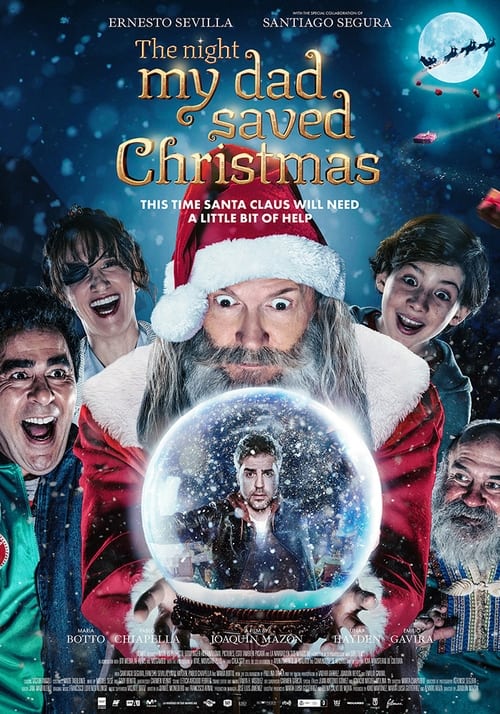
The Night My Dad Saved Christmas
What would happen if, one year, Santa Claus was forced to cancel his Christmas Eve appointment with the world’s children?A few days before Christmas, the famously cheerful and magical giver of gifts has an accident on his sleigh, right in the middle of Madrid. He ends up in hospital, which is where he’ll have to stay until after Christmas. Fortunately, the guy he’s sharing a room with at the hospital, Salva, is willing to step in and take on his all-important Christmas work. But it won’t be easy… the Christmas countdown clock is ticking and Salva has to find the reindeer, learn to fly the sleigh and, the most difficult part of all… learn to be a good person.
The film earned $4.4M at the global box office.
Plot Structure
Story beats plotted across runtime


Narrative Arc
Emotional journey through the story's key moments
Story Circle
Blueprint 15-beat structure
Arcplot Score Breakdown
Weighted: Precision (70%) + Arc (15%) + Theme (15%)
The Night My Dad Saved Christmas (2023) demonstrates meticulously timed narrative architecture, characteristic of Joaquín Mazón's storytelling approach. This structural analysis examines how the film's 15-point plot structure maps to proven narrative frameworks across 1 hour and 35 minutes. With an Arcplot score of 7.4, the film balances conventional beats with creative variation.
Structural Analysis
The Status Quo at 1 minutes (1% through the runtime) establishes Dad is a workaholic, disconnected from his family during the holiday season. The family goes through the motions of Christmas preparations without real joy or connection.. The analysis reveals that this early placement immediately immerses viewers in the story world.
The inciting incident occurs at 12 minutes when A crisis emerges that threatens Christmas: either Santa's sleigh breaks down near their town, or a magical/supernatural event puts Christmas itself in jeopardy. Dad witnesses something that makes him realize Christmas is actually in danger.. At 12% through the film, this Disruption aligns precisely with traditional story structure. This beat shifts the emotional landscape, launching the protagonist into the central conflict.
The First Threshold at 24 minutes marks the transition into Act II, occurring at 25% of the runtime. This reveals the protagonist's commitment to Dad makes the active choice to help save Christmas, committing to the mission despite his fears and work obligations. He crosses into the "Christmas magic" world, accepting responsibility for fixing whatever has gone wrong., moving from reaction to action.
At 48 minutes, the Midpoint arrives at 50% of the runtime—precisely centered, creating perfect narrative symmetry. The analysis reveals that this crucial beat False victory: Dad succeeds in a major challenge and believes Christmas is saved. He feels triumphant and transformed, thinking he's figured it all out. The stakes appear raised as he realizes the mission is bigger than he thought, but he's confident he can handle it., fundamentally raising what's at risk. The emotional intensity shifts, dividing the narrative into clear before-and-after phases.
The Collapse moment at 71 minutes (75% through) represents the emotional nadir. Here, All is lost: Dad fails at the crucial moment. Christmas appears doomed. There's a "whiff of death"—perhaps the Christmas magic dies, his guide disappears, or he realizes he's missed Christmas Eve with his family entirely. He's lost both the mission and what truly matters., demonstrates the protagonist at their lowest point. This beat's placement in the final quarter sets up the climactic reversal.
The Second Threshold at 76 minutes initiates the final act resolution at 80% of the runtime. Synthesis moment: Dad realizes the true meaning of Christmas isn't about saving it perfectly—it's about being present with love. He combines his determination with genuine heart, finding a new approach that honors both the mission and his family. He knows what to do., demonstrating the transformation achieved throughout the journey.
Emotional Journey
The Night My Dad Saved Christmas's emotional architecture traces a deliberate progression across 15 carefully calibrated beats.
Narrative Framework
This structural analysis employs proven narrative structure principles that track dramatic progression. By mapping The Night My Dad Saved Christmas against these established plot points, we can identify how Joaquín Mazón utilizes or subverts traditional narrative conventions. The plot point approach reveals not only adherence to structural principles but also creative choices that distinguish The Night My Dad Saved Christmas within the comedy genre.
Comparative Analysis
Additional comedy films include The Bad Guys, Ella Enchanted and The Evening Star.
Plot Points by Act
Act I
SetupStatus Quo
Dad is a workaholic, disconnected from his family during the holiday season. The family goes through the motions of Christmas preparations without real joy or connection.
Theme
A family member or neighbor comments that "Christmas isn't about the presents or the perfect dinner—it's about being present with the people you love," establishing the film's thematic core about presence versus presents.
Worldbuilding
Establishment of the family dynamics: Dad is absorbed in work, missing key moments. Mom is stressed trying to hold everything together. Kids are disappointed by Dad's absence. The upcoming Christmas is supposed to be special, but Dad's work commitments threaten to ruin it.
Disruption
A crisis emerges that threatens Christmas: either Santa's sleigh breaks down near their town, or a magical/supernatural event puts Christmas itself in jeopardy. Dad witnesses something that makes him realize Christmas is actually in danger.
Resistance
Dad debates whether to get involved or stick to his work. A guide figure (perhaps Santa, an elf, or a magical being) explains what's at stake. Dad is reluctant, insisting he's "not the right person" and that he has too much work. His family notices he's acting strange.
Act II
ConfrontationFirst Threshold
Dad makes the active choice to help save Christmas, committing to the mission despite his fears and work obligations. He crosses into the "Christmas magic" world, accepting responsibility for fixing whatever has gone wrong.
Mirror World
Dad bonds with his guide/helper (Santa, elf, or magical being) who embodies the true spirit of Christmas. This relationship serves as the thematic mirror, showing Dad what he's been missing—genuine connection and presence—through their partnership.
Premise
The "fun and games" of saving Christmas: Dad goes on a magical adventure, gathering items, solving Christmas-themed challenges, and experiencing wonder. He starts reconnecting with the joy and magic he'd forgotten. Comedic moments and Christmas movie set-pieces deliver on the premise.
Midpoint
False victory: Dad succeeds in a major challenge and believes Christmas is saved. He feels triumphant and transformed, thinking he's figured it all out. The stakes appear raised as he realizes the mission is bigger than he thought, but he's confident he can handle it.
Opposition
Things get harder. The antagonistic force (time running out, a villain trying to stop Christmas, or Dad's own doubts) closes in. Dad's old habits resurface—he tries to "work" at saving Christmas rather than embrace its spirit. His family grows more concerned about his absence. The magical solution starts falling apart.
Collapse
All is lost: Dad fails at the crucial moment. Christmas appears doomed. There's a "whiff of death"—perhaps the Christmas magic dies, his guide disappears, or he realizes he's missed Christmas Eve with his family entirely. He's lost both the mission and what truly matters.
Crisis
Dad sits in the darkness of failure, processing what he's lost. He reflects on the theme—that being present matters more than being perfect. He realizes he's been approaching this wrong, trying to save Christmas through effort rather than heart. He recognizes what he must do.
Act III
ResolutionSecond Threshold
Synthesis moment: Dad realizes the true meaning of Christmas isn't about saving it perfectly—it's about being present with love. He combines his determination with genuine heart, finding a new approach that honors both the mission and his family. He knows what to do.
Synthesis
The finale: Dad executes his plan with heart, not just effort. He brings his family into the solution, making it about connection rather than solo heroism. Christmas is saved through love, presence, and togetherness. He defeats/resolves the antagonistic force by embodying the theme. The family celebrates together.
Transformation
Final image mirrors the opening: the family together on Christmas morning, but now Dad is fully present, phone away, engaged and joyful. The contrast shows his complete transformation from workaholic to present father. Christmas is not just saved—it's truly celebrated.