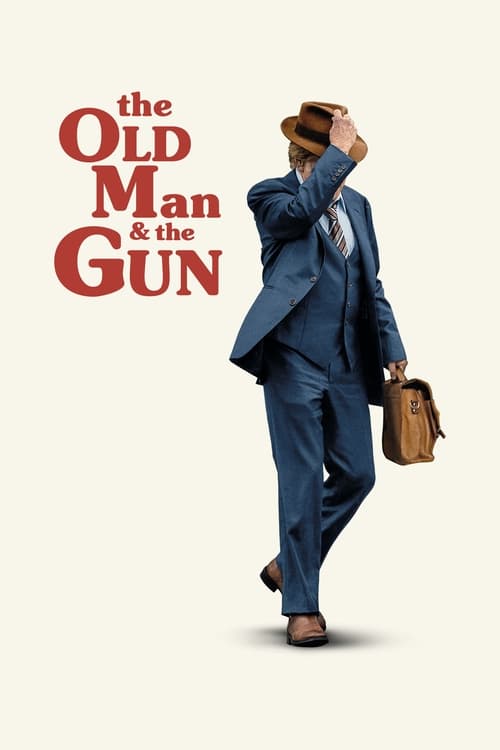
The Old Man & the Gun
The true story of Forrest Tucker, from his audacious escape from San Quentin at the age of 70 to an unprecedented string of heists that confounded authorities and enchanted the public. Wrapped up in the pursuit are a detective, who becomes captivated with Forrest’s commitment to his craft, and a woman, who loves him in spite of his chosen profession.
The film underperformed commercially against its mid-range budget of $15.8M, earning $11.3M globally (-29% loss). While initial box office returns were modest, the film has gained appreciation for its innovative storytelling within the comedy genre.
2 wins & 12 nominations


Plot Structure
Story beats plotted across runtime


Narrative Arc
Emotional journey through the story's key moments
Story Circle
Blueprint 15-beat structure
Arcplot Score Breakdown
Weighted: Precision (70%) + Arc (15%) + Theme (15%)
The Old Man & the Gun (2018) showcases meticulously timed narrative design, characteristic of David Lowery's storytelling approach. This structural analysis examines how the film's 15-point plot structure maps to proven narrative frameworks across 1 hour and 34 minutes. With an Arcplot score of 7.4, the film balances conventional beats with creative variation.
Structural Analysis
The Status Quo at 1 minutes (1% through the runtime) establishes Forrest Tucker walks calmly into a bank, conducting another robbery with his signature gentleman's charm. He's doing what he loves - the game is his ordinary world.. Significantly, this early placement immediately immerses viewers in the story world.
The inciting incident occurs at 11 minutes when Forrest meets Jewel by the side of the road after a robbery. Instead of fleeing completely, he's drawn to connect with her - something new disrupts his solitary pattern.. At 11% through the film, this Disruption aligns precisely with traditional story structure. This beat shifts the emotional landscape, launching the protagonist into the central conflict.
The First Threshold at 23 minutes marks the transition into Act II, occurring at 25% of the runtime. This reveals the protagonist's commitment to Forrest actively chooses to enter Jewel's world, visiting her at her horse farm and beginning a real relationship. He commits to living a double life rather than remaining alone., moving from reaction to action.
At 48 minutes, the Midpoint arrives at 51% of the runtime—precisely centered, creating perfect narrative symmetry. Of particular interest, this crucial beat False defeat: Detective Hunt pieces together Forrest's identity and lifetime of escapes. The noose tightens. Forrest learns his past is catching up - the carefree fun is over. Stakes raise dramatically., fundamentally raising what's at risk. The emotional intensity shifts, dividing the narrative into clear before-and-after phases.
The Collapse moment at 69 minutes (73% through) represents the emotional nadir. Here, Jewel discovers the truth about who Forrest really is. The relationship collapses. The life of connection dies. Forrest loses what he's come to value most - her trust and the possibility of authentic love., illustrates the protagonist at their lowest point. This beat's placement in the final quarter sets up the climactic reversal.
The Second Threshold at 75 minutes initiates the final act resolution at 80% of the runtime. Forrest realizes he can't stop being who he is - but he can be honest about it. He chooses one more job, knowing it may be his last, accepting the consequences. He synthesizes authenticity with acceptance., demonstrating the transformation achieved throughout the journey.
Emotional Journey
The Old Man & the Gun's emotional architecture traces a deliberate progression across 15 carefully calibrated beats.
Narrative Framework
This structural analysis employs systematic plot point analysis that identifies crucial turning points. By mapping The Old Man & the Gun against these established plot points, we can identify how David Lowery utilizes or subverts traditional narrative conventions. The plot point approach reveals not only adherence to structural principles but also creative choices that distinguish The Old Man & the Gun within the comedy genre.
David Lowery's Structural Approach
Among the 2 David Lowery films analyzed on Arcplot, the average structural score is 7.2, reflecting strong command of classical structure. The Old Man & the Gun represents one of the director's most structurally precise works. For comparative analysis, explore the complete David Lowery filmography.
Comparative Analysis
Additional comedy films include The Bad Guys, Ella Enchanted and The Evening Star. For more David Lowery analyses, see Pete's Dragon.
Plot Points by Act
Act I
SetupStatus Quo
Forrest Tucker walks calmly into a bank, conducting another robbery with his signature gentleman's charm. He's doing what he loves - the game is his ordinary world.
Theme
Jewel asks Forrest at the diner what he does for a living. The question "What makes you happy?" vs. "What's the right thing to do?" is established - the film's central tension.
Worldbuilding
We learn Forrest is a career bank robber, part of the "Over-the-Hill Gang." Meet John Hunt, the detective pursuing him. Establish Forrest's lifelong pattern of robberies and escapes, his charm, and his methodology.
Disruption
Forrest meets Jewel by the side of the road after a robbery. Instead of fleeing completely, he's drawn to connect with her - something new disrupts his solitary pattern.
Resistance
Forrest debates whether to pursue a relationship with Jewel or maintain his isolated life. He continues robbing banks while cautiously developing their connection. John Hunt investigates the pattern of robberies.
Act II
ConfrontationFirst Threshold
Forrest actively chooses to enter Jewel's world, visiting her at her horse farm and beginning a real relationship. He commits to living a double life rather than remaining alone.
Mirror World
Jewel and Forrest's relationship deepens at the farm. She represents the theme - a life of honest connection vs. the thrill of the con. She's his thematic mirror.
Premise
The "promise of the premise" - watching Forrest charm his way through robberies while building a sweet romance with Jewel. The Over-the-Hill Gang pulls jobs. Hunt gets closer. We enjoy the gentleman bandit doing what he does best.
Midpoint
False defeat: Detective Hunt pieces together Forrest's identity and lifetime of escapes. The noose tightens. Forrest learns his past is catching up - the carefree fun is over. Stakes raise dramatically.
Opposition
Hunt closes in, appearing at places Forrest frequents. The gang grows nervous. Jewel starts asking harder questions. Forrest's two worlds begin colliding. Pressure mounts from all sides.
Collapse
Jewel discovers the truth about who Forrest really is. The relationship collapses. The life of connection dies. Forrest loses what he's come to value most - her trust and the possibility of authentic love.
Crisis
Forrest sits in darkness with his choice: give up robbing (and who he is) or give up Jewel (and the connection he's found). He processes the loss and what truly matters.
Act III
ResolutionSecond Threshold
Forrest realizes he can't stop being who he is - but he can be honest about it. He chooses one more job, knowing it may be his last, accepting the consequences. He synthesizes authenticity with acceptance.
Synthesis
Forrest executes his final robbery. Hunt finally catches him. Forrest is arrested but there's a peace to it - he lived as himself until the end. Even in capture, he maintains his dignity and charm.
Transformation
Forrest, even in prison, attempts one more escape - smiling. He's transformed from a man running from connection to a man at peace with who he is. He lived authentically and that was enough. The final image mirrors the opening but with acceptance.