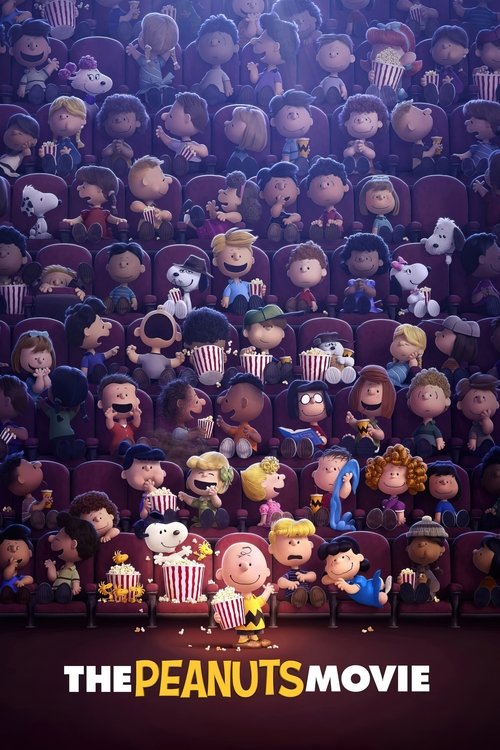
The Peanuts Movie
Snoopy embarks upon his greatest mission as he and his team take to the skies to pursue their arch-nemesis, while his best pal Charlie Brown begins his own epic quest.
Despite a substantial budget of $99.0M, The Peanuts Movie became a box office success, earning $246.2M worldwide—a 149% return.
2 wins & 49 nominations


Plot Structure
Story beats plotted across runtime


Narrative Arc
Emotional journey through the story's key moments
Story Circle
Blueprint 15-beat structure
Arcplot Score Breakdown
Weighted: Precision (70%) + Arc (15%) + Theme (15%)
The Peanuts Movie (2015) reveals strategically placed story structure, characteristic of Steve Martino's storytelling approach. This structural analysis examines how the film's 15-point plot structure maps to proven narrative frameworks across 1 hour and 28 minutes. With an Arcplot score of 7.1, the film balances conventional beats with creative variation.
Structural Analysis
The Status Quo at 1 minutes (1% through the runtime) establishes Charlie Brown wakes up on a snowy day, ready for another attempt at flying a kite. We see his perpetual optimism despite being known as a "lovable loser" who can't do anything right.. Significantly, this early placement immediately immerses viewers in the story world.
The inciting incident occurs at 10 minutes when The Little Red-Haired Girl moves into the neighborhood. Charlie Brown sees her for the first time and is instantly smitten. This disrupts his acceptance of being invisible—now he desperately wants to be noticed and impress her.. At 11% through the film, this Disruption aligns precisely with traditional story structure. This beat shifts the emotional landscape, launching the protagonist into the central conflict.
The First Threshold at 21 minutes marks the transition into Act II, occurring at 24% of the runtime. This reveals the protagonist's commitment to Charlie Brown chooses to partner with the Little Red-Haired Girl for the school book report on "Leo's War and Peace." Despite his terror, he actively commits to this new world of trying to win her heart through authentic connection rather than tricks., moving from reaction to action.
At 43 minutes, the Midpoint arrives at 49% of the runtime—precisely centered, creating perfect narrative symmetry. Significantly, this crucial beat Charlie Brown gets a perfect score on the standardized test, and suddenly everyone treats him as a genius. He's finally getting the recognition and respect he always wanted. False victory—he's being celebrated, but for the wrong reasons, and he didn't actually earn it., fundamentally raising what's at risk. The emotional intensity shifts, dividing the narrative into clear before-and-after phases.
The Collapse moment at 64 minutes (72% through) represents the emotional nadir. Here, Charlie Brown publicly confesses that the perfect test score was a mistake—the test paper was actually Peppermint Patty's. He loses all the respect and admiration he gained. The Little Red-Haired Girl witnesses his humiliation. His dream of winning her heart appears dead., indicates the protagonist at their lowest point. This beat's placement in the final quarter sets up the climactic reversal.
The Second Threshold at 69 minutes initiates the final act resolution at 78% of the runtime. Charlie Brown learns the Little Red-Haired Girl is moving away. Realizing he has nothing left to lose, he decides to take one final chance to tell her how he feels—not to impress her, but to be authentic. He synthesizes the lesson: true courage is being yourself., demonstrating the transformation achieved throughout the journey.
Emotional Journey
The Peanuts Movie's emotional architecture traces a deliberate progression across 15 carefully calibrated beats.
Narrative Framework
This structural analysis employs structural analysis methodology used to understand storytelling architecture. By mapping The Peanuts Movie against these established plot points, we can identify how Steve Martino utilizes or subverts traditional narrative conventions. The plot point approach reveals not only adherence to structural principles but also creative choices that distinguish The Peanuts Movie within the comedy genre.
Steve Martino's Structural Approach
Among the 3 Steve Martino films analyzed on Arcplot, the average structural score is 7.3, reflecting strong command of classical structure. The Peanuts Movie takes a more unconventional approach compared to the director's typical style. For comparative analysis, explore the complete Steve Martino filmography.
Comparative Analysis
Additional comedy films include The Bad Guys, Ella Enchanted and The Evening Star. For more Steve Martino analyses, see Horton Hears a Who!, Ice Age: Continental Drift.
Plot Points by Act
Act I
SetupStatus Quo
Charlie Brown wakes up on a snowy day, ready for another attempt at flying a kite. We see his perpetual optimism despite being known as a "lovable loser" who can't do anything right.
Theme
Linus tells Charlie Brown: "You're a good man, Charlie Brown. I know you can do it." The theme of authentic self-worth versus external validation is introduced through Linus' unconditional support.
Worldbuilding
Charlie Brown's ordinary world is established: he's surrounded by friends but feels invisible and inadequate. We see his daily failures (kite-eating tree, football pulled away by Lucy) and his longing to be noticed and respected. Snoopy's fantasy life as a World War I Flying Ace is introduced as a parallel story.
Disruption
The Little Red-Haired Girl moves into the neighborhood. Charlie Brown sees her for the first time and is instantly smitten. This disrupts his acceptance of being invisible—now he desperately wants to be noticed and impress her.
Resistance
Charlie Brown debates how to get the Little Red-Haired Girl to notice him. He tries various schemes with advice from friends: magic tricks at the talent show (which fail spectacularly), attempting to look cool, and considering changing who he is. Each attempt reveals his fear of rejection and self-doubt.
Act II
ConfrontationFirst Threshold
Charlie Brown chooses to partner with the Little Red-Haired Girl for the school book report on "Leo's War and Peace." Despite his terror, he actively commits to this new world of trying to win her heart through authentic connection rather than tricks.
Mirror World
Snoopy discovers a typewriter and begins writing his own romance story about the Flying Ace pursuing Fifi, a poodle pilot. This subplot mirrors Charlie Brown's pursuit and will explore themes of courage, persistence, and authentic heroism.
Premise
The "fun and games" of Charlie Brown trying to impress the Little Red-Haired Girl while working on the book report. He takes dance lessons, attempts to perfect his appearance, and slowly builds confidence. Meanwhile, Snoopy's Flying Ace adventures parallel this with his pursuit of Fifi, providing comedic relief and thematic resonance.
Midpoint
Charlie Brown gets a perfect score on the standardized test, and suddenly everyone treats him as a genius. He's finally getting the recognition and respect he always wanted. False victory—he's being celebrated, but for the wrong reasons, and he didn't actually earn it.
Opposition
The pressure mounts as Charlie Brown is thrust into the spotlight—becoming class representative for the national achievement test assembly. He wrestles with the guilt of being celebrated for something he didn't do, while trying to maintain his new status to impress the Little Red-Haired Girl. His internal conflict intensifies between his authentic self and this false image.
Collapse
Charlie Brown publicly confesses that the perfect test score was a mistake—the test paper was actually Peppermint Patty's. He loses all the respect and admiration he gained. The Little Red-Haired Girl witnesses his humiliation. His dream of winning her heart appears dead.
Crisis
Charlie Brown retreats into despair, believing he'll never be good enough. He processes the loss of his one chance with the Little Red-Haired Girl. Linus provides comfort, reminding him of his true qualities—honesty, kindness, and compassion.
Act III
ResolutionSecond Threshold
Charlie Brown learns the Little Red-Haired Girl is moving away. Realizing he has nothing left to lose, he decides to take one final chance to tell her how he feels—not to impress her, but to be authentic. He synthesizes the lesson: true courage is being yourself.
Synthesis
Charlie Brown races to find the Little Red-Haired Girl before she leaves. He performs genuine acts of heroism—saving his sister Sally's summer camp application from blowing away. When he finally reaches the Little Red-Haired Girl, she reveals she noticed him all along and admires his compassion, honesty, and determination—his authentic qualities, not his "achievements."
Transformation
Charlie Brown flies his kite successfully for the first time, mirroring the opening image. But now he's transformed—he knows his worth isn't defined by external validation. He's still the same Charlie Brown, but he's accepted and embraced who he truly is.