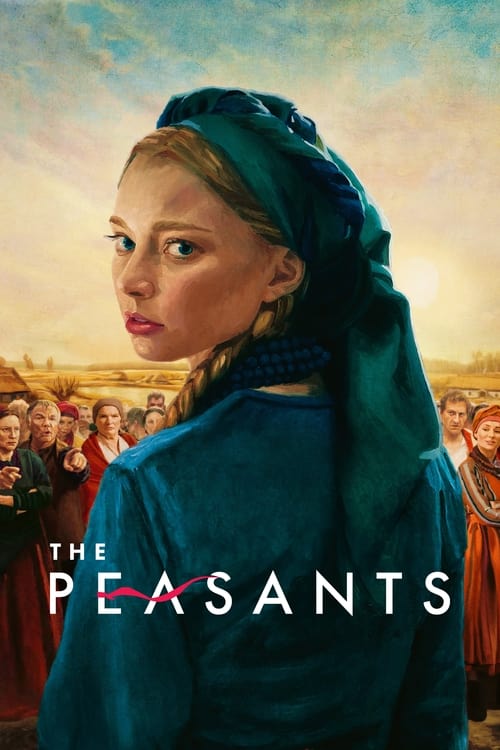
The Peasants
Peasant girl Jagna is forced to marry the much older, wealthy farmer Boryna, despite her love for his son Antek. With time, Jagna becomes the object of envy and disdain with the villagers and she must fight to preserve her independence.
Working with a small-scale budget of $7.5M, the film achieved a respectable showing with $10.1M in global revenue (+35% profit margin).


Plot Structure
Story beats plotted across runtime


Narrative Arc
Emotional journey through the story's key moments
Story Circle
Blueprint 15-beat structure
Arcplot Score Breakdown
Weighted: Precision (70%) + Arc (15%) + Theme (15%)
The Peasants (2023) exemplifies strategically placed narrative architecture, characteristic of Hugh Welchman's storytelling approach. This structural analysis examines how the film's 15-point plot structure maps to proven narrative frameworks across 1 hour and 55 minutes. With an Arcplot score of 7.4, the film balances conventional beats with creative variation.
Structural Analysis
The Status Quo at 1 minutes (1% through the runtime) establishes Autumn arrives in the village. Jagna, a beautiful young peasant woman, lives with her mother, desired by men but determined to maintain her independence and freedom in the traditional village society.. Significantly, this early placement immediately immerses viewers in the story world.
The inciting incident occurs at 14 minutes when Boryna, the village elder, decides to marry Jagna despite their age difference. Her mother pushes for the marriage to secure their financial future, stripping Jagna of her autonomy and forcing her into an unwanted union.. At 12% through the film, this Disruption aligns precisely with traditional story structure. This beat shifts the emotional landscape, launching the protagonist into the central conflict.
The First Threshold at 28 minutes marks the transition into Act II, occurring at 24% of the runtime. This shows the protagonist's commitment to Jagna marries Boryna in a traditional village wedding. Though not her choice, she crosses the threshold into a new identity as Boryna's wife, entering a world of complex family dynamics and forbidden desire., moving from reaction to action.
At 57 minutes, the Midpoint arrives at 50% of the runtime—precisely centered, creating perfect narrative symmetry. Notably, this crucial beat Spring arrives. Boryna is severely injured in an accident, becoming bedridden. This shifts power dynamics in the household, but also intensifies scrutiny on Jagna. The affair with Antek becomes more reckless, raising the stakes considerably., fundamentally raising what's at risk. The emotional intensity shifts, dividing the narrative into clear before-and-after phases.
The Collapse moment at 85 minutes (74% through) represents the emotional nadir. Here, Boryna dies, leaving Jagna widowed. The affair is discovered by the village. The community, particularly the women, turn violently against Jagna, blaming her for corrupting Antek and bringing shame to Boryna's memory., reveals the protagonist at their lowest point. This beat's placement in the final quarter sets up the climactic reversal.
The Second Threshold at 93 minutes initiates the final act resolution at 81% of the runtime. The village women attack Jagna in a brutal act of collective violence, beating her and cutting her hair in a public shaming ritual. This moment of complete degradation paradoxically becomes her liberation from seeking acceptance., demonstrating the transformation achieved throughout the journey.
Emotional Journey
The Peasants's emotional architecture traces a deliberate progression across 15 carefully calibrated beats.
Narrative Framework
This structural analysis employs proven narrative structure principles that track dramatic progression. By mapping The Peasants against these established plot points, we can identify how Hugh Welchman utilizes or subverts traditional narrative conventions. The plot point approach reveals not only adherence to structural principles but also creative choices that distinguish The Peasants within the animation genre.
Comparative Analysis
Additional animation films include The Bad Guys, Puss in Boots and Violet Evergarden: Eternity and the Auto Memory Doll.
Plot Points by Act
Act I
SetupStatus Quo
Autumn arrives in the village. Jagna, a beautiful young peasant woman, lives with her mother, desired by men but determined to maintain her independence and freedom in the traditional village society.
Theme
Jagna's mother warns her: "Beauty is a curse for a poor girl." This statement establishes the film's exploration of how women's agency and desire clash with patriarchal village traditions.
Worldbuilding
The village hierarchy, customs, and power dynamics are established. We meet the wealthy widower Boryna, his son Antek (married to Hanka), and see the community's rigid social structure. Jagna attracts attention from multiple men, including Antek.
Disruption
Boryna, the village elder, decides to marry Jagna despite their age difference. Her mother pushes for the marriage to secure their financial future, stripping Jagna of her autonomy and forcing her into an unwanted union.
Resistance
Jagna resists the marriage but faces pressure from her mother and the community. She struggles with her forbidden attraction to Antek, Boryna's son. The wedding preparations proceed despite her reluctance, showing her powerlessness in village society.
Act II
ConfrontationFirst Threshold
Jagna marries Boryna in a traditional village wedding. Though not her choice, she crosses the threshold into a new identity as Boryna's wife, entering a world of complex family dynamics and forbidden desire.
Mirror World
Winter. Jagna and Antek begin their dangerous affair, embodying the film's thematic tension between desire and social duty. Their relationship becomes the mirror that reflects the cost of defying village norms.
Premise
Jagna navigates life as Boryna's wife while conducting her secret affair with Antek. The village life unfolds through winter rituals and social gatherings. She experiences both the material comfort of her new status and the emotional prison of loveless marriage.
Midpoint
Spring arrives. Boryna is severely injured in an accident, becoming bedridden. This shifts power dynamics in the household, but also intensifies scrutiny on Jagna. The affair with Antek becomes more reckless, raising the stakes considerably.
Opposition
The village women, led by Antek's wife Hanka, grow suspicious of Jagna. Gossip spreads about her affair. Social pressure mounts as the community turns against her. Boryna's condition worsens, and family tensions escalate over inheritance and loyalty.
Collapse
Boryna dies, leaving Jagna widowed. The affair is discovered by the village. The community, particularly the women, turn violently against Jagna, blaming her for corrupting Antek and bringing shame to Boryna's memory.
Crisis
Summer. Jagna faces complete ostracism and escalating persecution from the village women. She is stripped of her home and possessions. Antek abandons her under social pressure, returning to his wife. Jagna is utterly alone, facing the community's wrath.
Act III
ResolutionSecond Threshold
The village women attack Jagna in a brutal act of collective violence, beating her and cutting her hair in a public shaming ritual. This moment of complete degradation paradoxically becomes her liberation from seeking acceptance.
Synthesis
Jagna is driven from the village, bloodied and broken. She walks away from the only world she has known, cast out but finally free from the oppressive social structures that sought to control her. The cycle of seasons completes.
Transformation
Autumn returns. Jagna walks alone through the golden fields, exiled but unbroken. Though she has lost everything, she has gained something the village could never give her: autonomy. Her survival is itself an act of defiance against a system that tried to destroy her.