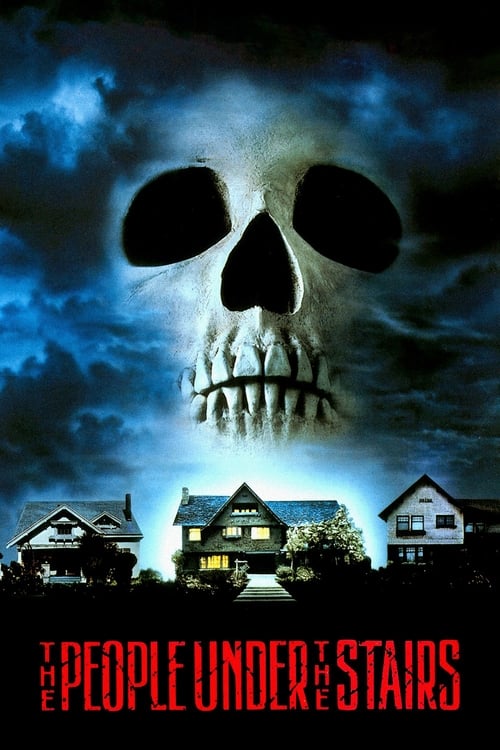
The People Under the Stairs
Trapped inside a fortified home owned by a mysterious couple, a young boy quickly learns the true nature of the homicidal inhabitants, and secret creatures hidden deep within the walls.
Despite its tight budget of $6.0M, The People Under the Stairs became a commercial success, earning $31.4M worldwide—a 423% return. The film's distinctive approach found its audience, proving that strong storytelling can transcend budget limitations.
2 wins & 8 nominations


Plot Structure
Story beats plotted across runtime


Narrative Arc
Emotional journey through the story's key moments
Story Circle
Blueprint 15-beat structure
Arcplot Score Breakdown
Weighted: Precision (70%) + Arc (15%) + Theme (15%)
The People Under the Stairs (1991) reveals carefully calibrated narrative architecture, characteristic of Wes Craven's storytelling approach. This structural analysis examines how the film's 15-point plot structure maps to proven narrative frameworks across 1 hour and 43 minutes. With an Arcplot score of 7.4, the film balances conventional beats with creative variation.
Structural Analysis
The Status Quo at 1 minutes (1% through the runtime) establishes Fool's 13th birthday in the ghetto. His family faces eviction by cruel landlords. The world of poverty and desperation, but strong family bonds. Fool is innocent, afraid, not yet ready to be a hero.. Structural examination shows that this early placement immediately immerses viewers in the story world.
The inciting incident occurs at 13 minutes when Spenser is brutally killed by the Man when the robbery goes wrong. Fool is trapped inside the house. What began as a heist becomes a fight for survival.. At 12% through the film, this Disruption aligns precisely with traditional story structure. This beat shifts the emotional landscape, launching the protagonist into the central conflict.
The First Threshold at 26 minutes marks the transition into Act II, occurring at 26% of the runtime. This reveals the protagonist's commitment to Fool actively chooses to stay and help Alice escape rather than fleeing alone. He commits to fighting the Man and Woman, crossing from victim to hero. Irreversible choice to enter Act 2., moving from reaction to action.
At 52 minutes, the Midpoint arrives at 50% of the runtime—precisely centered, creating perfect narrative symmetry. Structural examination shows that this crucial beat False defeat - Fool appears to escape the house but realizes he cannot abandon Alice. He learns the full extent of the Man and Woman's evil - they've been kidnapping children for years. He must go back in. Stakes raised. The fun and games are over., fundamentally raising what's at risk. The emotional intensity shifts, dividing the narrative into clear before-and-after phases.
The Collapse moment at 78 minutes (76% through) represents the emotional nadir. Here, Fool is cornered, Alice is locked away being punished, the people under the stairs seem hostile rather than helpful. Leroy is dead (whiff of death). Fool faces the Man alone and appears to be defeated. His hope dies., demonstrates the protagonist at their lowest point. This beat's placement in the final quarter sets up the climactic reversal.
The Second Threshold at 82 minutes initiates the final act resolution at 80% of the runtime. Synthesis moment - Fool realizes the people under the stairs aren't his enemies; they're potential allies. He can unite the victims against their oppressors. He rallies the captives to revolt., demonstrating the transformation achieved throughout the journey.
Emotional Journey
The People Under the Stairs's emotional architecture traces a deliberate progression across 15 carefully calibrated beats.
Narrative Framework
This structural analysis employs systematic plot point analysis that identifies crucial turning points. By mapping The People Under the Stairs against these established plot points, we can identify how Wes Craven utilizes or subverts traditional narrative conventions. The plot point approach reveals not only adherence to structural principles but also creative choices that distinguish The People Under the Stairs within the horror genre.
Wes Craven's Structural Approach
Among the 14 Wes Craven films analyzed on Arcplot, the average structural score is 7.0, demonstrating varied approaches to story architecture. The People Under the Stairs represents one of the director's most structurally precise works. For comparative analysis, explore the complete Wes Craven filmography.
Comparative Analysis
Additional horror films include Thinner, Mary Reilly. For more Wes Craven analyses, see A Nightmare on Elm Street, Vampire in Brooklyn and The Serpent and the Rainbow.
Plot Points by Act
Act I
SetupStatus Quo
Fool's 13th birthday in the ghetto. His family faces eviction by cruel landlords. The world of poverty and desperation, but strong family bonds. Fool is innocent, afraid, not yet ready to be a hero.
Theme
Leroy tells Fool, "Sometimes you gotta do wrong to do right." The film's moral question about breaking laws to fight injustice and exploitation is established.
Worldbuilding
Establishing Fool's poverty, his dying mother needing cancer treatment, the eviction notice. Leroy and Spenser plan to rob the landlords' house where gold coins are allegedly hidden. Fool reluctantly agrees to help.
Disruption
Spenser is brutally killed by the Man when the robbery goes wrong. Fool is trapped inside the house. What began as a heist becomes a fight for survival.
Resistance
Fool explores the horrifying house, discovering locked doors, booby traps, and hidden horrors. He meets Alice, the captive girl. He discovers the "people under the stairs" - previous victims kept as prisoners. He debates whether to escape alone or help her.
Act II
ConfrontationFirst Threshold
Fool actively chooses to stay and help Alice escape rather than fleeing alone. He commits to fighting the Man and Woman, crossing from victim to hero. Irreversible choice to enter Act 2.
Mirror World
Fool and Alice form their alliance. Alice represents the innocent victims of greed and abuse. Their relationship carries the emotional core as Fool learns what he's really fighting for: protecting the vulnerable.
Premise
The horror-comedy "promise of the premise" - Fool navigating deadly traps, outsmarting the Man (who hunts in a bondage suit with a shotgun), discovering cannibalistic people in the walls, the Woman's religious fanaticism. Creative escapes and near-misses. Dark humor mixed with genuine terror.
Midpoint
False defeat - Fool appears to escape the house but realizes he cannot abandon Alice. He learns the full extent of the Man and Woman's evil - they've been kidnapping children for years. He must go back in. Stakes raised. The fun and games are over.
Opposition
Fool re-enters the house with Leroy. The Man and Woman intensify their hunt. Leroy is killed. The people under the stairs become more aggressive. Alice is recaptured and about to be tortured. Fool's plans keep failing. The villains gain ground.
Collapse
Fool is cornered, Alice is locked away being punished, the people under the stairs seem hostile rather than helpful. Leroy is dead (whiff of death). Fool faces the Man alone and appears to be defeated. His hope dies.
Crisis
Fool processes his losses, hidden in the walls. He sees the full horror of what's been done to the captive children. He must decide: give up and die, or find a way to fight back with nothing but his wits.
Act III
ResolutionSecond Threshold
Synthesis moment - Fool realizes the people under the stairs aren't his enemies; they're potential allies. He can unite the victims against their oppressors. He rallies the captives to revolt.
Synthesis
The finale - Fool leads the people under the stairs in rebellion. They attack the Man and Woman. The house is destroyed from within. Fool rescues Alice. The Man is killed by his own victims. The Woman is trapped in her burning house. The hidden gold is revealed and distributed to the community.
Transformation
Fool emerges as a hero, having saved Alice and freed the captives. The exploitative landlords are dead, their stolen wealth returned to the poor community. Fool has transformed from a scared boy into the brave protector his family and neighborhood needed.