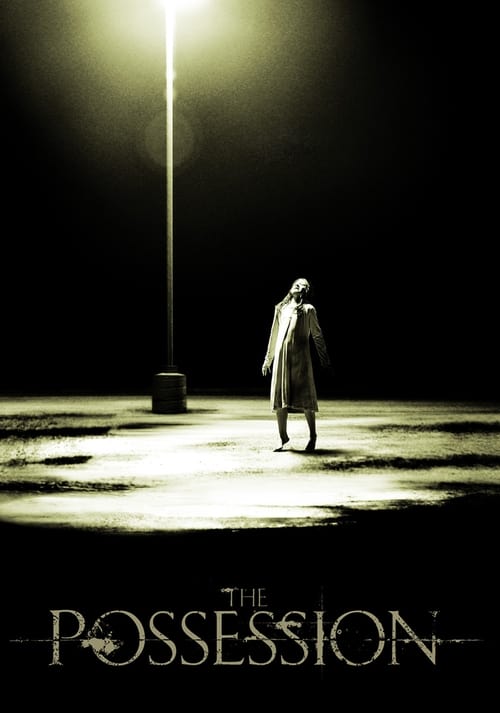
The Possession
A young girl buys an antique box at a yard sale, unaware that inside the collectible lives a malicious ancient spirit. The girl's father teams with his ex-wife to find a way to end the curse upon their child.
Despite its limited budget of $14.0M, The Possession became a box office phenomenon, earning $85.4M worldwide—a remarkable 510% return. The film's innovative storytelling attracted moviegoers, demonstrating that strong storytelling can transcend budget limitations.


Plot Structure
Story beats plotted across runtime


Narrative Arc
Emotional journey through the story's key moments
Story Circle
Blueprint 15-beat structure
Arcplot Score Breakdown
Weighted: Precision (70%) + Arc (15%) + Theme (15%)
The Possession (2012) reveals deliberately positioned narrative architecture, characteristic of Ole Bornedal's storytelling approach. This structural analysis examines how the film's 15-point plot structure maps to proven narrative frameworks across 1 hour and 32 minutes. With an Arcplot score of 7.2, the film balances conventional beats with creative variation.
Structural Analysis
The Status Quo at 1 minutes (1% through the runtime) establishes An elderly woman attempts to destroy a mysterious wooden box but is violently attacked by an unseen force, establishing the malevolent power contained within the dybbuk box.. Of particular interest, this early placement immediately immerses viewers in the story world.
The inciting incident occurs at 12 minutes when At a yard sale, young Em discovers and becomes inexplicably drawn to an antique wooden box with Hebrew inscriptions. Clyde purchases it for her, unknowingly bringing the dybbuk box into their lives.. At 13% through the film, this Disruption is delayed, allowing extended setup of the story world. This beat shifts the emotional landscape, launching the protagonist into the central conflict.
The First Threshold at 23 minutes marks the transition into Act II, occurring at 25% of the runtime. This reveals the protagonist's commitment to Em violently attacks a classmate who touches her box at school, displaying uncharacteristic aggression. This marks the point where the possession begins manifesting externally, and Clyde realizes something is seriously wrong with his daughter., moving from reaction to action.
At 47 minutes, the Midpoint arrives at 51% of the runtime—precisely centered, creating perfect narrative symmetry. The analysis reveals that this crucial beat A medical scan reveals a horrifying image—something appears to be living inside Em's body. The supernatural threat is now undeniably real and physical, raising the stakes as the family realizes Em may be dying from the entity consuming her from within., fundamentally raising what's at risk. The emotional intensity shifts, dividing the narrative into clear before-and-after phases.
The Collapse moment at 70 minutes (76% through) represents the emotional nadir. Here, The dybbuk fully possesses Em, speaking through her with a demonic voice and attacking her family. Em appears to be completely lost to the entity, and the young rabbi Tzadok who agreed to help witnesses the full terrifying power of the ancient demon., reveals the protagonist at their lowest point. This beat's placement in the final quarter sets up the climactic reversal.
The Second Threshold at 75 minutes initiates the final act resolution at 82% of the runtime. Clyde makes the desperate decision to allow the exorcism despite the risks, and offers himself as a vessel for the dybbuk to save his daughter. His willingness to sacrifice himself demonstrates the film's theme of parental love conquering evil., demonstrating the transformation achieved throughout the journey.
Emotional Journey
The Possession's emotional architecture traces a deliberate progression across 15 carefully calibrated beats.
Narrative Framework
This structural analysis employs proven narrative structure principles that track dramatic progression. By mapping The Possession against these established plot points, we can identify how Ole Bornedal utilizes or subverts traditional narrative conventions. The plot point approach reveals not only adherence to structural principles but also creative choices that distinguish The Possession within the horror genre.
Comparative Analysis
Additional horror films include Thinner, A Nightmare on Elm Street and Mary Reilly.
Plot Points by Act
Act I
SetupStatus Quo
An elderly woman attempts to destroy a mysterious wooden box but is violently attacked by an unseen force, establishing the malevolent power contained within the dybbuk box.
Theme
Clyde's ex-wife Stephanie expresses concern about the girls adjusting to their new divided family life, stating the importance of stability and protecting children from harm—foreshadowing the battle to save Em from supernatural threat.
Worldbuilding
We meet recently divorced basketball coach Clyde and his two daughters, Em and Hannah. The family dynamics are strained as Clyde moves into a new house and tries to maintain his relationship with his children during custody weekends while Stephanie begins dating Brett.
Disruption
At a yard sale, young Em discovers and becomes inexplicably drawn to an antique wooden box with Hebrew inscriptions. Clyde purchases it for her, unknowingly bringing the dybbuk box into their lives.
Resistance
Em becomes obsessed with the box, managing to open it and discovering strange contents including a tooth, a dead moth, and a ring. Her behavior begins to change subtly—she becomes withdrawn and protective of the box, while strange occurrences begin around the house.
Act II
ConfrontationFirst Threshold
Em violently attacks a classmate who touches her box at school, displaying uncharacteristic aggression. This marks the point where the possession begins manifesting externally, and Clyde realizes something is seriously wrong with his daughter.
Mirror World
Clyde researches the box online and discovers it is a dybbuk box—a container used in Jewish mysticism to trap malevolent spirits. This introduces the supernatural mythology and the path toward understanding how to save Em through faith and ritual.
Premise
Em's possession intensifies with increasingly disturbing behavior—she consumes massive amounts of food, speaks in strange voices, and moths appear mysteriously. Clyde and Stephanie clash over Em's condition, with Stephanie blaming Clyde's parenting while he suspects something supernatural.
Midpoint
A medical scan reveals a horrifying image—something appears to be living inside Em's body. The supernatural threat is now undeniably real and physical, raising the stakes as the family realizes Em may be dying from the entity consuming her from within.
Opposition
Em's condition deteriorates rapidly. The dybbuk takes greater control, causing her to harm those around her. Clyde desperately seeks help, traveling to a Hasidic Jewish community in Brooklyn to find someone who can perform an exorcism, while Stephanie and Brett struggle to protect Hannah.
Collapse
The dybbuk fully possesses Em, speaking through her with a demonic voice and attacking her family. Em appears to be completely lost to the entity, and the young rabbi Tzadok who agreed to help witnesses the full terrifying power of the ancient demon.
Crisis
Clyde faces the devastating possibility that his daughter is gone forever. Tzadok explains the extreme danger of the exorcism ritual and that the dybbuk could kill Em or transfer to someone else. The family must decide whether to risk the ritual.
Act III
ResolutionSecond Threshold
Clyde makes the desperate decision to allow the exorcism despite the risks, and offers himself as a vessel for the dybbuk to save his daughter. His willingness to sacrifice himself demonstrates the film's theme of parental love conquering evil.
Synthesis
Tzadok performs the intense exorcism ritual in a hospital morgue. The dybbuk fights violently to remain in Em, causing supernatural chaos. Through the combined efforts of Clyde's love and Tzadok's faith, they manage to draw the demon out of Em and trap it back in the box.
Transformation
Em is freed from possession and reunited with her family. Clyde and Stephanie share a moment suggesting reconciliation. The family drives away together, healed—though the final shot of the box being taken by Tzadok hints the evil is not fully destroyed.