The Prodigy
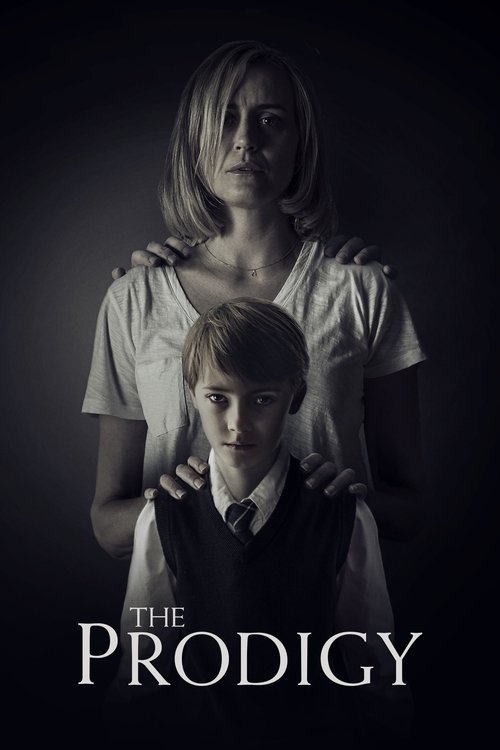
A mother concerned about her young son's disturbing behavior thinks something supernatural may be affecting him.
Despite its limited budget of $6.0M, The Prodigy became a financial success, earning $21.2M worldwide—a 253% return. The film's innovative storytelling attracted moviegoers, showing that strong storytelling can transcend budget limitations.
1 win & 1 nomination


Plot Structure
Story beats plotted across runtime


Narrative Arc
Emotional journey through the story's key moments
Story Circle
Blueprint 15-beat structure
Arcplot Score Breakdown
Weighted: Precision (70%) + Arc (15%) + Theme (15%)
The Prodigy (2019) demonstrates meticulously timed narrative design, characteristic of Nicholas McCarthy's storytelling approach. This structural analysis examines how the film's 15-point plot structure maps to proven narrative frameworks across 1 hour and 32 minutes. With an Arcplot score of 7.2, the film balances conventional beats with creative variation.
Structural Analysis
The Status Quo at 1 minutes (1% through the runtime) establishes Sarah and John are expecting their first child. Sarah is in labor as we intercut with a serial killer being hunted by police, establishing parallel fates.. Notably, this early placement immediately immerses viewers in the story world.
The inciting incident occurs at 10 minutes when Miles, around age 8, begins exhibiting disturbing behavior - violent outbursts, speaking in Hungarian, and knowledge he shouldn't possess. He attacks a classmate on the school playground.. At 11% through the film, this Disruption aligns precisely with traditional story structure. This beat shifts the emotional landscape, launching the protagonist into the central conflict.
The First Threshold at 22 minutes marks the transition into Act II, occurring at 24% of the runtime. This reveals the protagonist's commitment to Sarah actively chooses to investigate the deeper mystery after Miles says disturbing things only Edward Scarka would know. She decides to explore the possibility of reincarnation., moving from reaction to action.
At 46 minutes, the Midpoint arrives at 50% of the runtime—precisely centered, creating perfect narrative symmetry. Structural examination shows that this crucial beat Sarah confirms that Edward Scarka's soul inhabits Miles when she discovers evidence connecting Miles' knowledge to Scarka's victims. The stakes raise dramatically - this is real, and her son is disappearing., fundamentally raising what's at risk. The emotional intensity shifts, dividing the narrative into clear before-and-after phases.
The Collapse moment at 68 minutes (74% through) represents the emotional nadir. Here, Scarka (in Miles' body) kills John, Sarah's husband. Sarah witnesses her child murder his father. Her family is destroyed, and she has lost nearly everything - the 'whiff of death' literalized., reveals the protagonist at their lowest point. This beat's placement in the final quarter sets up the climactic reversal.
The Second Threshold at 73 minutes initiates the final act resolution at 79% of the runtime. Sarah learns from Arthur that there may be a way to expel Scarka's soul during a specific moment of vulnerability. She gains new information and resolve to save her son and stop the killer., demonstrating the transformation achieved throughout the journey.
Emotional Journey
The Prodigy's emotional architecture traces a deliberate progression across 15 carefully calibrated beats.
Narrative Framework
This structural analysis employs a 15-point narrative structure framework that maps key story moments. By mapping The Prodigy against these established plot points, we can identify how Nicholas McCarthy utilizes or subverts traditional narrative conventions. The plot point approach reveals not only adherence to structural principles but also creative choices that distinguish The Prodigy within the horror genre.
Comparative Analysis
Additional horror films include Thinner, A Nightmare on Elm Street and Mary Reilly.
Plot Points by Act
Act I
SetupStatus Quo
Sarah and John are expecting their first child. Sarah is in labor as we intercut with a serial killer being hunted by police, establishing parallel fates.
Theme
Doctor or nurse mentions how children are 'blank slates' and how parents shape them, ironically foreshadowing the film's exploration of nature versus nurture.
Worldbuilding
Miles is born at the exact moment the serial killer Edward Scarka dies. We see Miles grow into an exceptionally intelligent child with loving parents Sarah and John.
Disruption
Miles, around age 8, begins exhibiting disturbing behavior - violent outbursts, speaking in Hungarian, and knowledge he shouldn't possess. He attacks a classmate on the school playground.
Resistance
Sarah tries therapy, behavioral specialists, and doctors. She resists the growing evidence that something is fundamentally wrong. John wants to believe it's just a phase.
Act II
ConfrontationFirst Threshold
Sarah actively chooses to investigate the deeper mystery after Miles says disturbing things only Edward Scarka would know. She decides to explore the possibility of reincarnation.
Mirror World
Sarah meets Arthur Jacobson, a specialist in reincarnation cases involving children. He represents the thematic world of belief versus science, and will guide her understanding.
Premise
Sarah investigates Scarka's past, visits his crime scenes, and confirms horrifying details. Miles' behavior worsens as Scarka's consciousness grows stronger, creating mounting dread.
Midpoint
Sarah confirms that Edward Scarka's soul inhabits Miles when she discovers evidence connecting Miles' knowledge to Scarka's victims. The stakes raise dramatically - this is real, and her son is disappearing.
Opposition
Scarka's personality dominates more frequently. He manipulates Sarah, threatens her, and begins pursuing his unfinished business. John doesn't believe her, creating marital conflict. Sarah is increasingly isolated.
Collapse
Scarka (in Miles' body) kills John, Sarah's husband. Sarah witnesses her child murder his father. Her family is destroyed, and she has lost nearly everything - the 'whiff of death' literalized.
Crisis
Sarah must process the impossible choice: her son's body is alive, but his soul may be gone. She grieves John and confronts whether Miles can be saved or if she must stop Scarka permanently.
Act III
ResolutionSecond Threshold
Sarah learns from Arthur that there may be a way to expel Scarka's soul during a specific moment of vulnerability. She gains new information and resolve to save her son and stop the killer.
Synthesis
Sarah confronts Scarka, attempts the ritual to expel him from Miles' body. A violent struggle ensues as she fights to reclaim her son while stopping Scarka from claiming another victim.
Transformation
The film ends ambiguously with Sarah and Miles. His eyes or behavior suggest Scarka may still be present, transforming Sarah from naive mother to someone living in permanent uncertainty and vigilance.