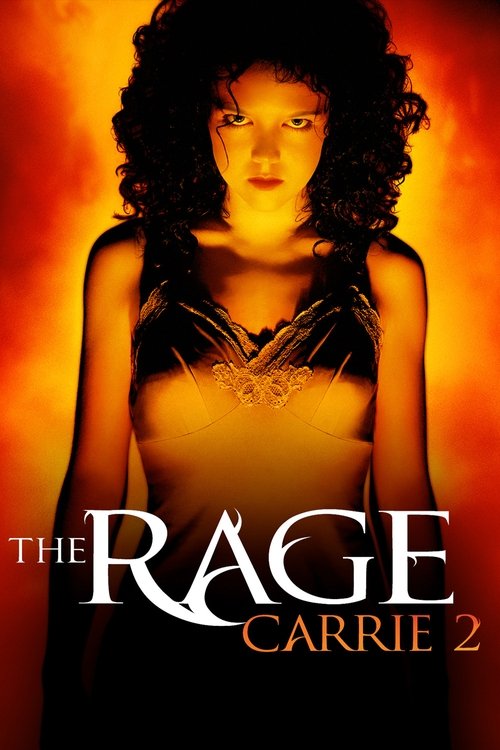
The Rage: Carrie 2
A horrible massacre strikes up after an outcast teenage girl is taunted by a group of high school jocks, all of them unaware of her cutthroat telekinetic powers.
The film underperformed commercially against its respectable budget of $21.0M, earning $17.8M globally (-15% loss).


Plot Structure
Story beats plotted across runtime


Narrative Arc
Emotional journey through the story's key moments
Story Circle
Blueprint 15-beat structure
Arcplot Score Breakdown
Weighted: Precision (70%) + Arc (15%) + Theme (15%)
The Rage: Carrie 2 (1999) demonstrates deliberately positioned dramatic framework, characteristic of Katt Shea's storytelling approach. This structural analysis examines how the film's 15-point plot structure maps to proven narrative frameworks across 1 hour and 44 minutes. With an Arcplot score of 7.0, the film balances conventional beats with creative variation.
Structural Analysis
The Status Quo at 1 minutes (1% through the runtime) establishes Rachel Lang is a lonely, artistic outsider living with foster parents, emotionally isolated and protecting her hospitalized mother while navigating high school as an outcast.. Structural examination shows that this early placement immediately immerses viewers in the story world.
The inciting incident occurs at 11 minutes when Lisa discovers she was used in the jocks' sex game and confronts Eric; when he coldly rejects her, she commits suicide by jumping from the school roof, devastating Rachel.. At 11% through the film, this Disruption aligns precisely with traditional story structure. This beat shifts the emotional landscape, launching the protagonist into the central conflict.
The First Threshold at 26 minutes marks the transition into Act II, occurring at 25% of the runtime. This demonstrates the protagonist's commitment to Rachel chooses to open her heart when Jesse, a popular football player, genuinely pursues her romantically despite his friends' objections, marking her entry into a new world of connection and vulnerability., moving from reaction to action.
At 51 minutes, the Midpoint arrives at 50% of the runtime—precisely centered, creating perfect narrative symmetry. Notably, this crucial beat False victory: Rachel and Jesse consummate their relationship and she believes she's found true love; however, the jocks photograph them secretly, and Sue discovers Rachel is Carrie White's half-sister, raising stakes significantly., fundamentally raising what's at risk. The emotional intensity shifts, dividing the narrative into clear before-and-after phases.
The Collapse moment at 78 minutes (75% through) represents the emotional nadir. Here, Rachel discovers the "scoring" evidence and believes Jesse betrayed her like the others; heartbroken, she rejects him; Sue Snell is killed in a car accident caused by Rachel's uncontrolled telekinetic rage - literal death of the mentor., indicates the protagonist at their lowest point. This beat's placement in the final quarter sets up the climactic reversal.
The Second Threshold at 82 minutes initiates the final act resolution at 79% of the runtime. Rachel receives an invitation to the jocks' party; realizing the full scope of their cruelty and accepting her powers, she chooses to attend - synthesizing her pain into purposeful vengeance like her half-sister Carrie before her., demonstrating the transformation achieved throughout the journey.
Emotional Journey
The Rage: Carrie 2's emotional architecture traces a deliberate progression across 15 carefully calibrated beats.
Narrative Framework
This structural analysis employs systematic plot point analysis that identifies crucial turning points. By mapping The Rage: Carrie 2 against these established plot points, we can identify how Katt Shea utilizes or subverts traditional narrative conventions. The plot point approach reveals not only adherence to structural principles but also creative choices that distinguish The Rage: Carrie 2 within the horror genre.
Comparative Analysis
Additional horror films include Thinner, A Nightmare on Elm Street and Mary Reilly.
Plot Points by Act
Act I
SetupStatus Quo
Rachel Lang is a lonely, artistic outsider living with foster parents, emotionally isolated and protecting her hospitalized mother while navigating high school as an outcast.
Theme
Sue Snell, now a school counselor, references the Carrie White incident: "What happened to Carrie White can happen again" - establishing the theme of telekinetic power emerging from trauma and abuse.
Worldbuilding
Setup of Rachel's isolated world, her friendship with Lisa, the jock clique's cruel "scoring" game targeting vulnerable girls, and Rachel's suppressed telekinetic abilities that manifest during emotional stress.
Disruption
Lisa discovers she was used in the jocks' sex game and confronts Eric; when he coldly rejects her, she commits suicide by jumping from the school roof, devastating Rachel.
Resistance
Rachel grieves and resists opening up; Sue Snell investigates the suicide, recognizing signs of telekinesis; Rachel begins to notice her powers emerging during emotional moments; the jocks cover up their game.
Act II
ConfrontationFirst Threshold
Rachel chooses to open her heart when Jesse, a popular football player, genuinely pursues her romantically despite his friends' objections, marking her entry into a new world of connection and vulnerability.
Mirror World
Rachel and Jesse's relationship deepens; he represents genuine love versus the cruelty of his peers, teaching Rachel she deserves love and connection - the thematic counterpoint to isolation.
Premise
Rachel experiences the promise of love and normalcy with Jesse; her powers grow stronger; Sue investigates the connection between Rachel and Carrie White; romantic montages contrast with the jocks' continued scheming.
Midpoint
False victory: Rachel and Jesse consummate their relationship and she believes she's found true love; however, the jocks photograph them secretly, and Sue discovers Rachel is Carrie White's half-sister, raising stakes significantly.
Opposition
The jocks' cruel game intensifies; Mark manipulates evidence to make Rachel think Jesse used her for points; Sue tries to warn Rachel about her powers; Rachel's telekinesis grows dangerously unstable; Jesse struggles to prove his love is real.
Collapse
Rachel discovers the "scoring" evidence and believes Jesse betrayed her like the others; heartbroken, she rejects him; Sue Snell is killed in a car accident caused by Rachel's uncontrolled telekinetic rage - literal death of the mentor.
Crisis
Rachel spirals into darkness and isolation, processing the ultimate betrayal and Sue's death; she contemplates suicide but her rage transforms into cold resolve for revenge against those who hurt her and Lisa.
Act III
ResolutionSecond Threshold
Rachel receives an invitation to the jocks' party; realizing the full scope of their cruelty and accepting her powers, she chooses to attend - synthesizing her pain into purposeful vengeance like her half-sister Carrie before her.
Synthesis
The finale massacre: Rachel unleashes her full telekinetic power at the party, systematically killing the jocks in elaborate, violent ways; Jesse tries to reach her and prove his innocence; the building becomes a death trap mirroring Carrie's prom.
Transformation
Rachel dies with Jesse in the burning mansion, their bodies together; the closing image shows she chose connection over survival - transformed from isolated outsider to someone who loved, even in tragedy, mirroring yet diverging from Carrie's fate.