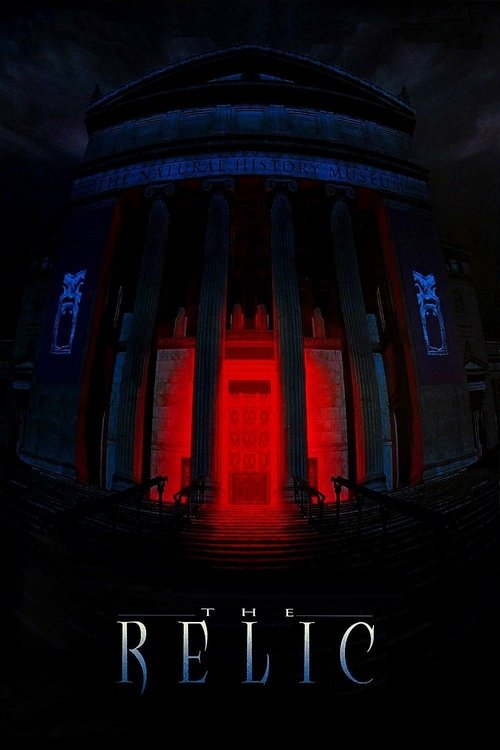
The Relic
A homicide detective teams up with an evolutionary biologist to hunt a giant creature that is killing people in a Chicago museum.
The film struggled financially against its respectable budget of $60.0M, earning $34.0M globally (-43% loss). While initial box office returns were modest, the film has gained appreciation for its bold vision within the horror genre.


Plot Structure
Story beats plotted across runtime


Narrative Arc
Emotional journey through the story's key moments
Story Circle
Blueprint 15-beat structure
Arcplot Score Breakdown
Weighted: Precision (70%) + Arc (15%) + Theme (15%)
The Relic (1997) exemplifies deliberately positioned plot construction, characteristic of Peter Hyams's storytelling approach. This structural analysis examines how the film's 15-point plot structure maps to proven narrative frameworks across 1 hour and 50 minutes. With an Arcplot score of 7.0, the film balances conventional beats with creative variation.
Structural Analysis
The Status Quo at 1 minutes (1% through the runtime) establishes Dr. Margo Green works quietly in her lab at Chicago's Field Museum, studying evolutionary biology in a rational, evidence-based world of science.. Significantly, this early placement immediately immerses viewers in the story world.
The inciting incident occurs at 13 minutes when Two bodies are discovered in the museum - decapitated and with their hypothalamuses removed - bringing Detective D'Agosta to investigate and disrupting the museum's orderly world.. At 11% through the film, this Disruption aligns precisely with traditional story structure. This beat shifts the emotional landscape, launching the protagonist into the central conflict.
The First Threshold at 28 minutes marks the transition into Act II, occurring at 26% of the runtime. This demonstrates the protagonist's commitment to Despite the danger, the museum director refuses to cancel the gala. Margo actively chooses to continue her investigation, and D'Agosta commits to staying for the event - crossing into the night of horror., moving from reaction to action.
At 56 minutes, the Midpoint arrives at 50% of the runtime—precisely centered, creating perfect narrative symmetry. Of particular interest, this crucial beat The creature attacks during the gala in full view. The museum is locked down with everyone trapped inside. False defeat: they're sealed in with the monster and the stakes escalate to survival., fundamentally raising what's at risk. The emotional intensity shifts, dividing the narrative into clear before-and-after phases.
The Collapse moment at 82 minutes (74% through) represents the emotional nadir. Here, The creature corners them in the tunnels. Multiple people are killed including key allies. Margo realizes the horror: the creature was once human - the expedition leader transformed by the parasitic fungus., illustrates the protagonist at their lowest point. This beat's placement in the final quarter sets up the climactic reversal.
The Second Threshold at 88 minutes initiates the final act resolution at 80% of the runtime. Margo synthesizes her knowledge: the creature needs the hormones AND is attracted to them. She realizes they can use this - combining scientific understanding with D'Agosta's tactical thinking to set a trap., demonstrating the transformation achieved throughout the journey.
Emotional Journey
The Relic's emotional architecture traces a deliberate progression across 15 carefully calibrated beats.
Narrative Framework
This structural analysis employs structural analysis methodology used to understand storytelling architecture. By mapping The Relic against these established plot points, we can identify how Peter Hyams utilizes or subverts traditional narrative conventions. The plot point approach reveals not only adherence to structural principles but also creative choices that distinguish The Relic within the horror genre.
Peter Hyams's Structural Approach
Among the 14 Peter Hyams films analyzed on Arcplot, the average structural score is 7.1, reflecting strong command of classical structure. The Relic takes a more unconventional approach compared to the director's typical style. For comparative analysis, explore the complete Peter Hyams filmography.
Comparative Analysis
Additional horror films include Thinner, A Nightmare on Elm Street and Mary Reilly. For more Peter Hyams analyses, see Capricorn One, Timecop and The Musketeer.
Plot Points by Act
Act I
SetupStatus Quo
Dr. Margo Green works quietly in her lab at Chicago's Field Museum, studying evolutionary biology in a rational, evidence-based world of science.
Theme
Detective D'Agosta tells someone "Sometimes you gotta believe what the evidence tells you, even if it seems impossible" - establishing the conflict between rational explanation and inexplicable horror.
Worldbuilding
The museum prepares for a major gala opening. We meet the cast: Margo the dedicated scientist, the ambitious museum director, security staff, and learn about crates arriving from a doomed Brazilian expedition.
Disruption
Two bodies are discovered in the museum - decapitated and with their hypothalamuses removed - bringing Detective D'Agosta to investigate and disrupting the museum's orderly world.
Resistance
Margo debates getting involved versus staying in her safe lab. D'Agosta investigates. The museum director resists canceling the gala. Margo begins analyzing strange leaves from the Brazilian crates, finding anomalous DNA.
Act II
ConfrontationFirst Threshold
Despite the danger, the museum director refuses to cancel the gala. Margo actively chooses to continue her investigation, and D'Agosta commits to staying for the event - crossing into the night of horror.
Mirror World
Margo and D'Agosta form an unlikely partnership - the scientist and the detective must learn to trust each other's methods (evidence-based reasoning vs. street-smart instinct).
Premise
The gala proceeds while the creature stalks the museum. Margo discovers the scientific explanation - the creature needs specific hormones to survive. Cat-and-mouse tension as people disappear and the museum becomes a death trap.
Midpoint
The creature attacks during the gala in full view. The museum is locked down with everyone trapped inside. False defeat: they're sealed in with the monster and the stakes escalate to survival.
Opposition
The creature picks off victims systematically. Margo's scientific knowledge seems useless against pure predatory violence. D'Agosta's weapons barely slow it down. They're hunted through the dark museum corridors.
Collapse
The creature corners them in the tunnels. Multiple people are killed including key allies. Margo realizes the horror: the creature was once human - the expedition leader transformed by the parasitic fungus.
Crisis
Separated from D'Agosta, alone in the dark, Margo faces her deepest fear. Science created this monster. Knowledge without wisdom is dangerous. She must trust both evidence AND instinct to survive.
Act III
ResolutionSecond Threshold
Margo synthesizes her knowledge: the creature needs the hormones AND is attracted to them. She realizes they can use this - combining scientific understanding with D'Agosta's tactical thinking to set a trap.
Synthesis
Margo and D'Agosta lure the creature using hormone-rich material. Final confrontation in the museum's water system. They use fire and explosives to destroy it, combining science and brute force.
Transformation
Margo emerges from the museum into daylight, no longer the sheltered lab scientist. She's faced the inexplicable and survived by trusting both her intellect and her instincts. The partnership with D'Agosta remains.