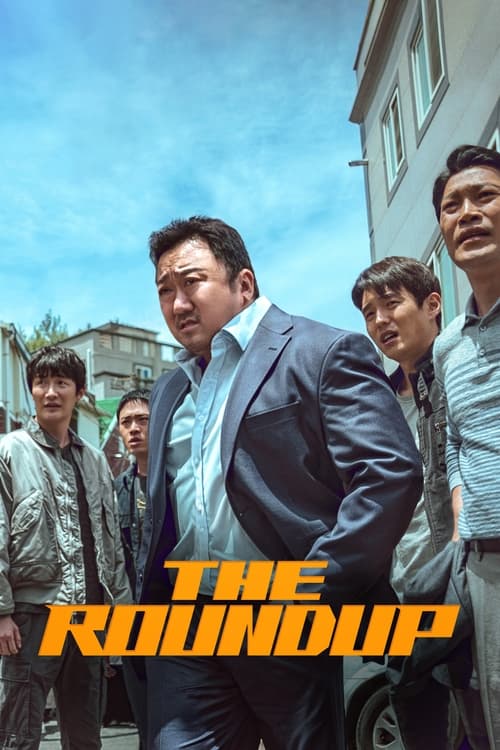
The Roundup
The 'Beast Cop' Ma Seok-do heads to a foreign country to extradite a suspect, but soon after his arrival, he discovers additional murder cases and hears about a vicious killer who has been committing crimes against tourists for several years.
Despite its modest budget of $7.6M, The Roundup became a massive hit, earning $101.2M worldwide—a remarkable 1231% return. The film's innovative storytelling connected with viewers, demonstrating that strong storytelling can transcend budget limitations.


Plot Structure
Story beats plotted across runtime


Narrative Arc
Emotional journey through the story's key moments
Story Circle
Blueprint 15-beat structure
Arcplot Score Breakdown
Weighted: Precision (70%) + Arc (15%) + Theme (15%)
The Roundup (2022) exhibits precise narrative design, characteristic of Lee Sang-yong's storytelling approach. This structural analysis examines how the film's 15-point plot structure maps to proven narrative frameworks across 1 hour and 46 minutes. With an Arcplot score of 7.4, the film balances conventional beats with creative variation.
Structural Analysis
The Status Quo at 1 minutes (1% through the runtime) establishes Detective Ma Seok-do and his team operate in their familiar Seoul jurisdiction, maintaining order through Ma's distinctive blend of street-smart tactics and overwhelming physical presence.. Significantly, this early placement immediately immerses viewers in the story world.
The inciting incident occurs at 13 minutes when Ma's team is assigned to extradite a Korean suspect from Vietnam, pulling him out of his comfort zone and into unfamiliar international territory where his usual methods may not work.. At 12% through the film, this Disruption aligns precisely with traditional story structure. This beat shifts the emotional landscape, launching the protagonist into the central conflict.
The First Threshold at 26 minutes marks the transition into Act II, occurring at 25% of the runtime. This indicates the protagonist's commitment to Ma and his team arrive in Vietnam and commit to the extradition mission, entering a foreign world where their authority is limited and a brutal serial killer operates., moving from reaction to action.
At 53 minutes, the Midpoint arrives at 50% of the runtime—precisely centered, creating perfect narrative symmetry. Structural examination shows that this crucial beat Ma confronts Kang but the killer escapes after a brutal fight, revealing the true extent of Kang's savagery and raising the stakes. Ma realizes this isn't just an extradition—it's a hunt for a monster., fundamentally raising what's at risk. The emotional intensity shifts, dividing the narrative into clear before-and-after phases.
The Collapse moment at 80 minutes (75% through) represents the emotional nadir. Here, Kang kills innocent civilians in a brutal massacre, and Ma's partner is seriously injured. Ma confronts his limitations and the cost of his pursuit, facing the possibility that legal constraints might let a killer escape., demonstrates the protagonist at their lowest point. This beat's placement in the final quarter sets up the climactic reversal.
The Second Threshold at 85 minutes initiates the final act resolution at 80% of the runtime. Ma gains intelligence on Kang's location and makes the choice to end this his way, combining legal authority with his personal brand of justice. He commits to a final confrontation., demonstrating the transformation achieved throughout the journey.
Emotional Journey
The Roundup's emotional architecture traces a deliberate progression across 15 carefully calibrated beats.
Narrative Framework
This structural analysis employs systematic plot point analysis that identifies crucial turning points. By mapping The Roundup against these established plot points, we can identify how Lee Sang-yong utilizes or subverts traditional narrative conventions. The plot point approach reveals not only adherence to structural principles but also creative choices that distinguish The Roundup within the action genre.
Lee Sang-yong's Structural Approach
Among the 2 Lee Sang-yong films analyzed on Arcplot, the average structural score is 7.2, reflecting strong command of classical structure. The Roundup represents one of the director's most structurally precise works. For comparative analysis, explore the complete Lee Sang-yong filmography.
Comparative Analysis
Additional action films include The Bad Guys, Puss in Boots and Venom: The Last Dance. For more Lee Sang-yong analyses, see The Roundup: No Way Out.
Plot Points by Act
Act I
SetupStatus Quo
Detective Ma Seok-do and his team operate in their familiar Seoul jurisdiction, maintaining order through Ma's distinctive blend of street-smart tactics and overwhelming physical presence.
Theme
Captain Jeon mentions that "real justice isn't always clean" during a briefing, establishing the film's exploration of righteous violence versus legal procedure.
Worldbuilding
Establishment of Ma's team dynamics, their methods, and the Seoul criminal landscape. Shows Ma's reputation and his unconventional but effective approach to policing.
Disruption
Ma's team is assigned to extradite a Korean suspect from Vietnam, pulling him out of his comfort zone and into unfamiliar international territory where his usual methods may not work.
Resistance
Ma debates taking the Vietnam assignment, coordinates with Vietnamese police, and prepares for the extraction. He resists leaving his jurisdiction but recognizes the importance of the mission.
Act II
ConfrontationFirst Threshold
Ma and his team arrive in Vietnam and commit to the extradition mission, entering a foreign world where their authority is limited and a brutal serial killer operates.
Mirror World
Ma encounters Vietnamese Captain Joo and develops a cross-cultural partnership that reflects the theme of justice transcending borders and legal systems.
Premise
Ma hunts the brutal killer Kang Hae-sang through Vietnam's criminal underworld, delivering the action set pieces and detective work the audience expects. Ma uses his physical prowess and instincts in unfamiliar territory.
Midpoint
Ma confronts Kang but the killer escapes after a brutal fight, revealing the true extent of Kang's savagery and raising the stakes. Ma realizes this isn't just an extradition—it's a hunt for a monster.
Opposition
Kang continues his killing spree, staying ahead of Ma. Political pressure mounts, jurisdictional conflicts intensify, and Ma's methods are questioned. The body count rises as Kang grows more desperate and dangerous.
Collapse
Kang kills innocent civilians in a brutal massacre, and Ma's partner is seriously injured. Ma confronts his limitations and the cost of his pursuit, facing the possibility that legal constraints might let a killer escape.
Crisis
Ma grapples with his failure to stop Kang sooner and weighs his duty to the law against his duty to protect innocent lives. Dark moment of doubt about his methods and purpose.
Act III
ResolutionSecond Threshold
Ma gains intelligence on Kang's location and makes the choice to end this his way, combining legal authority with his personal brand of justice. He commits to a final confrontation.
Synthesis
Ma tracks Kang to his final hideout and engages in a brutal final battle, using everything he's learned. The confrontation synthesizes his physical strength with strategic thinking and cross-border cooperation.
Transformation
Ma returns to Seoul having successfully brought justice, now recognized as a detective whose methods, while unorthodox, serve a greater good. He's proven his approach works even beyond his home turf.