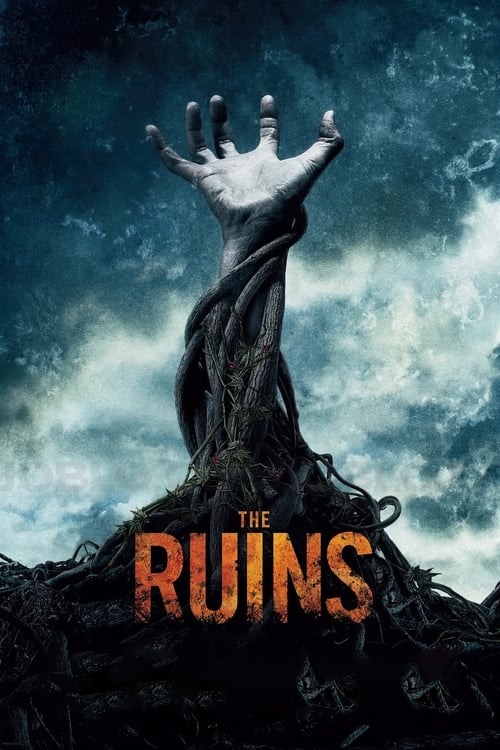
The Ruins
Americans Amy, Stacy, Jeff and Eric look for fun during a sunny holiday in Mexico, but they get much more than that after visiting an archaeological dig in the jungle.
Despite its small-scale budget of $8.0M, The Ruins became a solid performer, earning $22.8M worldwide—a 185% return.


Plot Structure
Story beats plotted across runtime


Narrative Arc
Emotional journey through the story's key moments
Story Circle
Blueprint 15-beat structure
Arcplot Score Breakdown
Weighted: Precision (70%) + Arc (15%) + Theme (15%)
The Ruins (2008) exhibits deliberately positioned dramatic framework, characteristic of Carter Smith's storytelling approach. This structural analysis examines how the film's 15-point plot structure maps to proven narrative frameworks across 1 hour and 31 minutes. With an Arcplot score of 6.6, the film balances conventional beats with creative variation.
Structural Analysis
The Status Quo at 1 minutes (1% through the runtime) establishes Four American tourists (Jeff, Amy, Eric, Stacy) vacation at a beach resort in Mexico, enjoying carefree poolside relaxation and romance. Their idyllic status quo establishes youth, freedom, and naivety.. The analysis reveals that this early placement immediately immerses viewers in the story world.
The inciting incident occurs at 10 minutes when Mathias asks the group to help him find his brother Heinrich at remote Mayan ruins. The catalyst disrupts their vacation plans and introduces the possibility of danger outside their controlled resort environment.. At 11% through the film, this Disruption aligns precisely with traditional story structure. This beat shifts the emotional landscape, launching the protagonist into the central conflict.
The First Threshold at 18 minutes marks the transition into Act II, occurring at 20% of the runtime. This shows the protagonist's commitment to The group arrives at the ruins and begins ascending the pyramid temple despite warnings from armed Mayan villagers. They actively choose to cross onto the temple grounds, entering the "new world" of isolation and horror., moving from reaction to action.
At 42 minutes, the Midpoint arrives at 46% of the runtime—arriving early, accelerating into Act IIb complications. Significantly, this crucial beat They discover Heinrich's corpse in the mineshaft, consumed by the vines. This false defeat confirms no rescue is coming, raises stakes (they're all in mortal danger), and eliminates hope of external help. The fun and games are over., fundamentally raising what's at risk. The emotional intensity shifts, dividing the narrative into clear before-and-after phases.
The Collapse moment at 65 minutes (71% through) represents the emotional nadir. Here, In her paranoia, Stacy mutilates herself trying to cut out the vines, then Eric accidentally kills her while trying to stop her self-harm. The group's cohesion dies, hope dies, and innocence dies in horrific tragedy., illustrates the protagonist at their lowest point. This beat's placement in the final quarter sets up the climactic reversal.
The Second Threshold at 72 minutes initiates the final act resolution at 79% of the runtime. Jeff realizes the Mayans will kill anyone who tries to leave because they're infected. He formulates a plan: Amy must run through the Mayan line at dawn. He accepts his own death to give her a chance at survival and warning others., demonstrating the transformation achieved throughout the journey.
Emotional Journey
The Ruins's emotional architecture traces a deliberate progression across 15 carefully calibrated beats.
Narrative Framework
This structural analysis employs proven narrative structure principles that track dramatic progression. By mapping The Ruins against these established plot points, we can identify how Carter Smith utilizes or subverts traditional narrative conventions. The plot point approach reveals not only adherence to structural principles but also creative choices that distinguish The Ruins within the horror genre.
Comparative Analysis
Additional horror films include Thinner, A Nightmare on Elm Street and Mary Reilly.
Plot Points by Act
Act I
SetupStatus Quo
Four American tourists (Jeff, Amy, Eric, Stacy) vacation at a beach resort in Mexico, enjoying carefree poolside relaxation and romance. Their idyllic status quo establishes youth, freedom, and naivety.
Theme
Mathias, a German tourist, mentions his brother went to archaeological ruins and hasn't returned, suggesting the danger of seeking things beyond one's understanding. Theme: curiosity and intervention in forbidden places leads to death.
Worldbuilding
Establishing the group dynamics, relationships, and setting. Jeff and Amy are the stable couple, Eric and Stacy have tension, Mathias is the outsider. They bond over drinks and partying, establishing their ordinary tourist world.
Disruption
Mathias asks the group to help him find his brother Heinrich at remote Mayan ruins. The catalyst disrupts their vacation plans and introduces the possibility of danger outside their controlled resort environment.
Resistance
The group debates whether to go. Amy expresses hesitation, but they ultimately decide to help Mathias. They hire a taxi, travel into rural Mexico, establishing their movement away from safety toward the unknown.
Act II
ConfrontationFirst Threshold
The group arrives at the ruins and begins ascending the pyramid temple despite warnings from armed Mayan villagers. They actively choose to cross onto the temple grounds, entering the "new world" of isolation and horror.
Mirror World
The Mayans force them onto the ruins at gunpoint and kill Dimitri, a Greek tourist who followed them. The group realizes they're trapped, introducing the "B story" of survival and group dynamics under extreme stress that will test their relationships.
Premise
The group explores the ruins, discovers the carnivorous vines, finds the shaft where Heinrich is trapped, and begins experiencing the horror premise: isolated tourists hunted by intelligent plant life that mimics sounds and infects wounds.
Midpoint
They discover Heinrich's corpse in the mineshaft, consumed by the vines. This false defeat confirms no rescue is coming, raises stakes (they're all in mortal danger), and eliminates hope of external help. The fun and games are over.
Opposition
The vines' attacks intensify. Stacy becomes paranoid that vines are growing under her skin. Eric's leg wound worsens with vine infection. The group fragments under psychological pressure, turning on each other. The antagonist (vines) closes in.
Collapse
In her paranoia, Stacy mutilates herself trying to cut out the vines, then Eric accidentally kills her while trying to stop her self-harm. The group's cohesion dies, hope dies, and innocence dies in horrific tragedy.
Crisis
The survivors process the devastating loss. Eric is consumed by guilt. Jeff and Amy face their darkest moment of despair, realizing escape may be impossible and they may all die on the ruins.
Act III
ResolutionSecond Threshold
Jeff realizes the Mayans will kill anyone who tries to leave because they're infected. He formulates a plan: Amy must run through the Mayan line at dawn. He accepts his own death to give her a chance at survival and warning others.
Synthesis
Jeff sacrifices himself by attacking the Mayans to create a distraction. Amy makes her escape attempt. Eric, consumed by infection, is killed. The finale executes the desperate survival plan with escalating horror and sacrifice.
Transformation
Amy is shot by the Mayans during her escape attempt and dragged back to the ruins. The closing image shows her body on the temple, mirroring the opening's carefree tourist but now dead—transformation through corruption and tragedy. The vines have won.