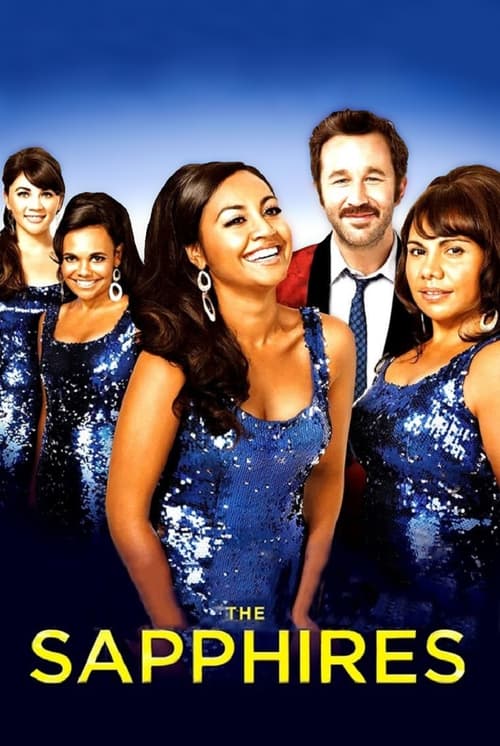
The Sapphires
It's 1968, and four young, talented Australian Aboriginal girls learn about love, friendship, and war when they entertain the US troops in Vietnam as singing group The Sapphires.
Despite its tight budget of $9.0M, The Sapphires became a commercial success, earning $20.4M worldwide—a 127% return.
27 wins & 26 nominations


Plot Structure
Story beats plotted across runtime


Narrative Arc
Emotional journey through the story's key moments
Story Circle
Blueprint 15-beat structure
Arcplot Score Breakdown
Weighted: Precision (70%) + Arc (15%) + Theme (15%)
The Sapphires (2012) showcases deliberately positioned narrative architecture, characteristic of Wayne Blair's storytelling approach. This structural analysis examines how the film's 15-point plot structure maps to proven narrative frameworks across 1 hour and 43 minutes. With an Arcplot score of 7.6, the film showcases strong structural fundamentals.
Structural Analysis
The Status Quo at 1 minutes (1% through the runtime) establishes The three Aboriginal sisters (Gail, Julie, and Cynthia) sing country music at a local pub in rural Australia, 1968. They live under the restrictions of the Aboriginal Protection Act, showing their talent but limited opportunities.. Structural examination shows that this early placement immediately immerses viewers in the story world.
The inciting incident occurs at 12 minutes when The sisters learn about an audition for a talent show to entertain troops in Vietnam. Dave presents this opportunity, disrupting their routine of singing country music at local venues.. At 11% through the film, this Disruption aligns precisely with traditional story structure. This beat shifts the emotional landscape, launching the protagonist into the central conflict.
The First Threshold at 25 minutes marks the transition into Act II, occurring at 24% of the runtime. This indicates the protagonist's commitment to The Sapphires (now with Kay included) make the active choice to board the plane to Vietnam, leaving their familiar world behind to perform for troops in a war zone. This is their irreversible commitment to the journey., moving from reaction to action.
At 53 minutes, the Midpoint arrives at 51% of the runtime—precisely centered, creating perfect narrative symmetry. Notably, this crucial beat The Sapphires achieve their biggest success, performing a triumphant show for the troops. They receive a major booking opportunity. This false victory moment makes them feel invincible, but the stakes and tensions are actually rising., fundamentally raising what's at risk. The emotional intensity shifts, dividing the narrative into clear before-and-after phases.
The Collapse moment at 76 minutes (73% through) represents the emotional nadir. Here, During a Viet Cong attack, the group is separated and Dave is seriously injured (whiff of death). The dream appears shattered as they face actual mortality, and the sisters confront the possibility of losing everything, including each other., demonstrates the protagonist at their lowest point. This beat's placement in the final quarter sets up the climactic reversal.
The Second Threshold at 82 minutes initiates the final act resolution at 80% of the runtime. The sisters reconcile and realize that their strength comes from family unity and their shared Aboriginal identity. They understand that their authentic voice - blending their heritage with soul music - is their true power. They choose to perform one final show together., demonstrating the transformation achieved throughout the journey.
Emotional Journey
The Sapphires's emotional architecture traces a deliberate progression across 15 carefully calibrated beats.
Narrative Framework
This structural analysis employs proven narrative structure principles that track dramatic progression. By mapping The Sapphires against these established plot points, we can identify how Wayne Blair utilizes or subverts traditional narrative conventions. The plot point approach reveals not only adherence to structural principles but also creative choices that distinguish The Sapphires within the comedy genre.
Comparative Analysis
Additional comedy films include The Bad Guys, Ella Enchanted and The Evening Star.
Plot Points by Act
Act I
SetupStatus Quo
The three Aboriginal sisters (Gail, Julie, and Cynthia) sing country music at a local pub in rural Australia, 1968. They live under the restrictions of the Aboriginal Protection Act, showing their talent but limited opportunities.
Theme
Dave Lovelace, the down-on-his-luck Irish pianist, tells them: "Soul music is about where you've been, where you're going, and how you're gonna get there." This encapsulates the film's theme about finding one's authentic voice and identity.
Worldbuilding
Establishment of the sisters' family dynamics, their passion for singing, the racial tensions in 1968 Australia, and the revelation that their cousin Kay was taken away as part of the Stolen Generations. The girls perform country music and dream of something bigger.
Disruption
The sisters learn about an audition for a talent show to entertain troops in Vietnam. Dave presents this opportunity, disrupting their routine of singing country music at local venues.
Resistance
Dave becomes their reluctant manager. They debate whether to pursue this opportunity, practice new soul music repertoire, and track down their cousin Kay to join the group. The sisters struggle with transitioning from country to soul music.
Act II
ConfrontationFirst Threshold
The Sapphires (now with Kay included) make the active choice to board the plane to Vietnam, leaving their familiar world behind to perform for troops in a war zone. This is their irreversible commitment to the journey.
Mirror World
In Saigon, the group experiences the vibrant soul music scene and witnesses the war's reality. Dave and Gail's romantic relationship begins to develop, representing the theme of finding connection across cultural divides.
Premise
The fun and games of performing in Vietnam. The Sapphires transform into soul singers, perform for enthusiastic troops, navigate the chaos of war, experience success and recognition. Internal conflicts emerge between the sisters, particularly between Gail and Kay over leadership and identity.
Midpoint
The Sapphires achieve their biggest success, performing a triumphant show for the troops. They receive a major booking opportunity. This false victory moment makes them feel invincible, but the stakes and tensions are actually rising.
Opposition
Family tensions escalate, particularly regarding Kay's light skin and the painful history of the Stolen Generations. The war intensifies around them. Gail's controlling nature and Kay's identity struggles create fractures in the group. The danger of the war becomes more immediate.
Collapse
During a Viet Cong attack, the group is separated and Dave is seriously injured (whiff of death). The dream appears shattered as they face actual mortality, and the sisters confront the possibility of losing everything, including each other.
Crisis
In the aftermath of the attack, the sisters process their trauma and fears. They must confront their family wounds - particularly the truth about Kay being taken as part of the Stolen Generations. Emotional reconciliation begins as they realize what truly matters.
Act III
ResolutionSecond Threshold
The sisters reconcile and realize that their strength comes from family unity and their shared Aboriginal identity. They understand that their authentic voice - blending their heritage with soul music - is their true power. They choose to perform one final show together.
Synthesis
The Sapphires reunite for a powerful final performance that authentically expresses who they are. They perform with genuine soul, having integrated their Aboriginal identity with the music. Dave recovers. The family bonds are healed, particularly between Gail and Kay.
Transformation
The closing image shows the sisters back in Australia, performing together with newfound confidence and unity. They have found their authentic voice and reconciled their family. The transformation from divided country singers to united soul performers represents their journey to self-acceptance and cultural pride.