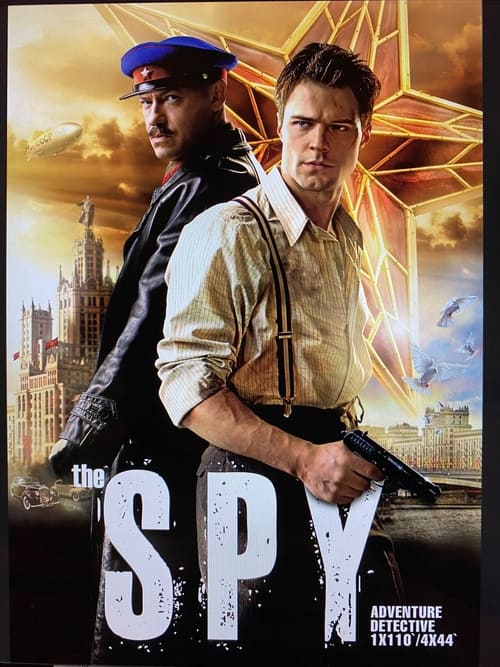
The Spy
Spring 1941. Center of Moscow. Duel of the two intelligence services turns more and more tense.
The film struggled financially against its tight budget of $6.0M, earning $4.6M globally (-24% loss).


Plot Structure
Story beats plotted across runtime


Narrative Arc
Emotional journey through the story's key moments
Story Circle
Blueprint 15-beat structure
Characters
Cast & narrative archetypes

Sol Kyung-gu
Kim Seon-woo
North Korean Spy
NIS Chief
Senior Agent Park
Main Cast & Characters
Sol Kyung-gu
Played by Sul Kyung-gu
A veteran South Korean intelligence agent who discovers a North Korean spy ring operating within his own agency. Dedicated to protecting his country despite personal costs.
Kim Seon-woo
Played by Ko Soo
A sharp young NIS analyst who becomes entangled in the espionage investigation. Initially idealistic but grows increasingly conflicted about the moral ambiguities of intelligence work.
North Korean Spy
Played by Moon So-ri
A deep-cover North Korean operative who has infiltrated South Korean society. Cold and calculating, driven by ideology and duty to the North.
NIS Chief
Played by Lee Kyung-young
The director of the National Intelligence Service who must balance political pressures with operational necessities. Pragmatic leader caught between competing interests.
Senior Agent Park
Played by Park Sung-woong
A seasoned intelligence officer who serves as mentor to younger agents. Carries the weight of past operations and difficult decisions.
Structural Analysis
The Status Quo at 1 minutes (1% through the runtime) establishes We meet Chul-soo living his ordinary life as a mild-mannered businessman in Seoul, established in domestic routine with his wife and daughter, presenting a picture of mundane suburban normalcy that masks his true identity.. Structural examination shows that this early placement immediately immerses viewers in the story world.
The inciting incident occurs at 12 minutes when Chul-soo receives an unexpected activation signal from the North after years of dormancy - his handler makes contact and demands he complete a critical mission, shattering the peaceful life he's built and forcing him back into his spy identity.. At 12% through the film, this Disruption aligns precisely with traditional story structure. This beat shifts the emotional landscape, launching the protagonist into the central conflict.
The First Threshold at 25 minutes marks the transition into Act II, occurring at 25% of the runtime. This reveals the protagonist's commitment to When his handler threatens his family's safety if he refuses, Chul-soo makes the agonizing choice to accept the mission - crossing the threshold from dormant sleeper back into active espionage, knowing it will endanger everything he loves., moving from reaction to action.
At 50 minutes, the Midpoint arrives at 50% of the runtime—precisely centered, creating perfect narrative symmetry. Significantly, this crucial beat Chul-soo's false victory turns to false defeat when South Korean intelligence begins surveilling him - they've identified a leak and he's on their radar. The stakes escalate dramatically as he's now hunted from both sides., fundamentally raising what's at risk. The emotional intensity shifts, dividing the narrative into clear before-and-after phases.
The Collapse moment at 74 minutes (75% through) represents the emotional nadir. Here, Chul-soo's cover is blown to his wife when she discovers evidence of his true identity. Her devastation and sense of betrayal - realizing their entire marriage was built on lies - represents the death of the life and love he had built in the South., indicates the protagonist at their lowest point. This beat's placement in the final quarter sets up the climactic reversal.
The Second Threshold at 79 minutes initiates the final act resolution at 80% of the runtime. Chul-soo makes his choice: he will betray his handlers to protect his family. This synthesis of his spy skills with his genuine emotional growth transforms him from a man serving an ideology into a man fighting for the people he loves., demonstrating the transformation achieved throughout the journey.
Emotional Journey
The Spy's emotional architecture traces a deliberate progression across 15 carefully calibrated beats.
Narrative Framework
This structural analysis employs proven narrative structure principles that track dramatic progression. By mapping The Spy against these established plot points, we can identify how Aleksey Andrianov utilizes or subverts traditional narrative conventions. The plot point approach reveals not only adherence to structural principles but also creative choices that distinguish The Spy within the action genre.
Comparative Analysis
Additional action films include The Bad Guys, Puss in Boots and Venom: The Last Dance.
Plot Points by Act
Act I
SetupStatus Quo
We meet Chul-soo living his ordinary life as a mild-mannered businessman in Seoul, established in domestic routine with his wife and daughter, presenting a picture of mundane suburban normalcy that masks his true identity.
Theme
A colleague remarks that "everyone wears a mask - the question is whether you remember who you were before you put it on," foreshadowing the film's exploration of identity, loyalty, and the erosion of self through deception.
Worldbuilding
The setup establishes Chul-soo's dual existence - his South Korean family life and work, alongside hints of his buried past as a North Korean sleeper agent. We meet his loving wife and daughter, his coworkers, and sense the underlying tension he carries.
Disruption
Chul-soo receives an unexpected activation signal from the North after years of dormancy - his handler makes contact and demands he complete a critical mission, shattering the peaceful life he's built and forcing him back into his spy identity.
Resistance
Chul-soo wrestles with his reactivation, torn between his loyalty to the North and the genuine love he feels for his South Korean family. He attempts to delay, negotiate, and find alternatives while his handler grows increasingly impatient and threatening.
Act II
ConfrontationFirst Threshold
When his handler threatens his family's safety if he refuses, Chul-soo makes the agonizing choice to accept the mission - crossing the threshold from dormant sleeper back into active espionage, knowing it will endanger everything he loves.
Mirror World
As Chul-soo begins his mission, his relationship with his wife deepens unexpectedly - she notices his distress and offers unconditional support, not knowing the truth. Their connection embodies the theme of authentic love versus performed identity.
Premise
Chul-soo navigates the dangerous espionage world while maintaining his cover at home. Classic spy thriller sequences unfold - dead drops, surveillance, coded messages - all while he struggles to keep his family safe and ignorant of the danger surrounding them.
Midpoint
Chul-soo's false victory turns to false defeat when South Korean intelligence begins surveilling him - they've identified a leak and he's on their radar. The stakes escalate dramatically as he's now hunted from both sides.
Opposition
Pressure mounts from all directions: South Korean agents close in, his Northern handlers demand results, and his wife begins questioning his increasingly erratic behavior. Chul-soo's carefully constructed double life starts crumbling as each identity threatens to expose the other.
Collapse
Chul-soo's cover is blown to his wife when she discovers evidence of his true identity. Her devastation and sense of betrayal - realizing their entire marriage was built on lies - represents the death of the life and love he had built in the South.
Crisis
In the aftermath of his exposure, Chul-soo faces the ruins of both his lives. His wife won't speak to him, his daughter is confused and frightened, and he must decide what truly matters - the ideology he was trained for or the family he grew to genuinely love.
Act III
ResolutionSecond Threshold
Chul-soo makes his choice: he will betray his handlers to protect his family. This synthesis of his spy skills with his genuine emotional growth transforms him from a man serving an ideology into a man fighting for the people he loves.
Synthesis
Armed with his decision, Chul-soo uses all his espionage expertise to turn the tables. He outmaneuvers both his Northern handlers and the Southern agents, engineering a resolution that prioritizes his family's safety above national loyalties on either side.
Transformation
In the final image, Chul-soo sits alone, no longer the obedient sleeper agent or the perfect suburban husband - he has become something new. His face reflects hard-won self-knowledge, having chosen love over ideology and paid the price for authenticity.