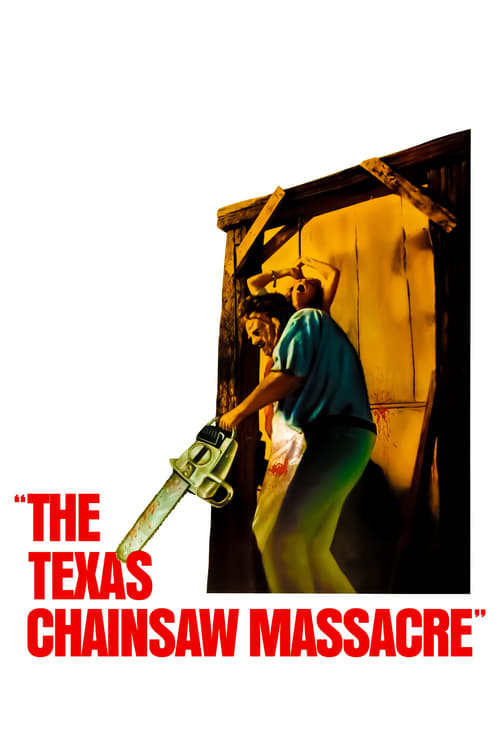
The Texas Chain Saw Massacre
Five friends head out to rural Texas to visit the grave of a grandfather. On the way, they stumble across what appears to be a deserted house, only to discover something sinister within. Something armed with a chainsaw.
Despite its extremely modest budget of $140K, The Texas Chain Saw Massacre became a massive hit, earning $30.9M worldwide—a remarkable 21988% return. The film's innovative storytelling engaged audiences, showing that strong storytelling can transcend budget limitations.
4 wins & 2 nominations


Plot Structure
Story beats plotted across runtime


Narrative Arc
Emotional journey through the story's key moments
Story Circle
Blueprint 15-beat structure
Arcplot Score Breakdown
Weighted: Precision (70%) + Arc (15%) + Theme (15%)
The Texas Chain Saw Massacre (1974) exemplifies precise dramatic framework, characteristic of Tobe Hooper's storytelling approach. This structural analysis examines how the film's 15-point plot structure maps to proven narrative frameworks across 1 hour and 23 minutes. With an Arcplot score of 6.6, the film balances conventional beats with creative variation.
Characters
Cast & narrative archetypes

Sally Hardesty
Leatherface
Franklin Hardesty
The Hitchhiker
The Old Man
Jerry
Pam
Kirk
Main Cast & Characters
Sally Hardesty
Played by Marilyn Burns
Final girl who endures unspeakable horror while visiting her grandfather's grave with friends
Leatherface
Played by Gunnar Hansen
Chainsaw-wielding killer who wears masks of human skin and serves his cannibalistic family
Franklin Hardesty
Played by Paul A. Partain
Sally's wheelchair-bound brother whose complaints and vulnerability make him an early target
The Hitchhiker
Played by Edwin Neal
Unhinged member of the cannibal family who violently assaults the group after they pick him up
The Old Man
Played by Jim Siedow
Proprietor of the gas station and patriarch of the cannibal family who initially appears helpful
Jerry
Played by Allen Danziger
One of the friends traveling with Sally who investigates the mysterious house
Pam
Played by Teri McMinn
Thoughtful member of the group who becomes a victim while exploring with Kirk
Kirk
Played by William Vail
Assertive member of the group who leads Pam to the fateful house
Structural Analysis
The Status Quo at 1 minutes (1% through the runtime) establishes Opening text crawl and radio reports establish a normal world of young people on a road trip through rural Texas to visit Sally and Franklin's family property. The van of friends travels through sunny countryside, carefree and alive.. Notably, this early placement immediately immerses viewers in the story world.
The inciting incident occurs at 11 minutes when The group arrives at the dilapidated Hardesty family farmhouse. What should be a nostalgic homecoming becomes unsettling as they discover the old slaughterhouse nearby and encounter strange evidence of intrusion. The familiar has become alien and threatening.. At 14% through the film, this Disruption is delayed, allowing extended setup of the story world. This beat shifts the emotional landscape, launching the protagonist into the central conflict.
The First Threshold at 20 minutes marks the transition into Act II, occurring at 25% of the runtime. This demonstrates the protagonist's commitment to Kirk and Pam actively choose to approach the neighboring house to ask for gasoline. Kirk enters uninvited, crossing the threshold into the killers' domain. This is the irreversible choice that launches the true horror—they have entered the world of the Sawyer family., moving from reaction to action.
At 41 minutes, the Midpoint arrives at 49% of the runtime—precisely centered, creating perfect narrative symmetry. Significantly, this crucial beat Sally realizes her friends are missing and something is terribly wrong. The stakes crystallize: this is not a series of accidents but intentional predation. The "fun" of exploration is over. Franklin and Sally, the most vulnerable (he in a wheelchair, she responsible for him), are now alone against an unseen threat., fundamentally raising what's at risk. The emotional intensity shifts, dividing the narrative into clear before-and-after phases.
The Collapse moment at 57 minutes (69% through) represents the emotional nadir. Here, Leatherface kills Franklin with a chainsaw as Sally watches helplessly. Her brother, her responsibility, her last connection to her former life—dead. This is Sally's all-is-lost: she is now completely alone, stripped of all protection and purpose except pure survival. The "whiff of death" is literal and intimate., reveals the protagonist at their lowest point. This beat's placement in the final quarter sets up the climactic reversal.
The Second Threshold at 63 minutes initiates the final act resolution at 75% of the runtime. Sally is tied up at the family dinner table and tortured by the Sawyer clan, including the ancient Grandfather. In this crucible of horror, she finds a will to survive beyond reason. The realization: she will not be saved—she must save herself. Her humanity becomes her weapon against their dehumanization., demonstrating the transformation achieved throughout the journey.
Emotional Journey
The Texas Chain Saw Massacre's emotional architecture traces a deliberate progression across 15 carefully calibrated beats.
Narrative Framework
This structural analysis employs systematic plot point analysis that identifies crucial turning points. By mapping The Texas Chain Saw Massacre against these established plot points, we can identify how Tobe Hooper utilizes or subverts traditional narrative conventions. The plot point approach reveals not only adherence to structural principles but also creative choices that distinguish The Texas Chain Saw Massacre within the horror genre.
Tobe Hooper's Structural Approach
Among the 6 Tobe Hooper films analyzed on Arcplot, the average structural score is 7.1, reflecting strong command of classical structure. The Texas Chain Saw Massacre takes a more unconventional approach compared to the director's typical style. For comparative analysis, explore the complete Tobe Hooper filmography.
Comparative Analysis
Additional horror films include Thinner, A Nightmare on Elm Street and Mary Reilly. For more Tobe Hooper analyses, see Poltergeist, The Funhouse and Invaders from Mars.
Plot Points by Act
Act I
SetupStatus Quo
Opening text crawl and radio reports establish a normal world of young people on a road trip through rural Texas to visit Sally and Franklin's family property. The van of friends travels through sunny countryside, carefree and alive.
Theme
The hitchhiker discusses his family's slaughterhouse work: "My family's always been in meat." He describes the old vs. new ways of killing cattle with disturbing pride, foreshadowing the film's exploration of violence, tradition, and the dehumanization inherent in treating living things as commodities.
Worldbuilding
The five young people (Sally, Franklin, Jerry, Kirk, and Pam) are introduced with their relationships and dynamics. They pick up a hitchhiker who becomes increasingly disturbing, cutting himself and Franklin before being ejected from the van. They stop at a gas station with no fuel. The group's vulnerability in an unfamiliar, economically depressed rural landscape is established.
Disruption
The group arrives at the dilapidated Hardesty family farmhouse. What should be a nostalgic homecoming becomes unsettling as they discover the old slaughterhouse nearby and encounter strange evidence of intrusion. The familiar has become alien and threatening.
Resistance
The group debates what to do: stay at the house or leave. They explore the property despite growing unease. Franklin shares childhood memories, grounding them in false security. Kirk and Pam decide to find the swimming hole, while Jerry explores. Each decision pulls them deeper into danger despite warning signs.
Act II
ConfrontationFirst Threshold
Kirk and Pam actively choose to approach the neighboring house to ask for gasoline. Kirk enters uninvited, crossing the threshold into the killers' domain. This is the irreversible choice that launches the true horror—they have entered the world of the Sawyer family.
Mirror World
Kirk encounters Leatherface, the film's embodiment of perverted domesticity and inherited violence. This "mirror" reflects the dark inverse of the young people's world: where they seek pleasure and freedom, the Sawyer family practices ritualized murder and consumption. Leatherface kills Kirk with a hammer.
Premise
The horror unfolds as promised: systematic slaughter. Pam is captured and impaled on a meathook. Jerry searches for the others and is killed. The film delivers its premise—the brutal, mechanical horror of human beings processed like livestock. Each death is swift and shocking, emphasizing helplessness.
Midpoint
Sally realizes her friends are missing and something is terribly wrong. The stakes crystallize: this is not a series of accidents but intentional predation. The "fun" of exploration is over. Franklin and Sally, the most vulnerable (he in a wheelchair, she responsible for him), are now alone against an unseen threat.
Opposition
Sally and Franklin search desperately for their friends as night falls. The environment becomes increasingly hostile. They venture into the dark woods, Franklin's wheelchair a liability. The antagonists' power grows—they control the territory, the night, and the violence. Sally's fear intensifies but she has no clear escape.
Collapse
Leatherface kills Franklin with a chainsaw as Sally watches helplessly. Her brother, her responsibility, her last connection to her former life—dead. This is Sally's all-is-lost: she is now completely alone, stripped of all protection and purpose except pure survival. The "whiff of death" is literal and intimate.
Crisis
Sally flees in primal terror through the night, chased by Leatherface. She reaches the gas station, believing she's found salvation, only to discover the attendant is part of the family. She is captured and brought to the house. Her psychological breaking point: there is no help, no justice, no escape. She must endure alone.
Act III
ResolutionSecond Threshold
Sally is tied up at the family dinner table and tortured by the Sawyer clan, including the ancient Grandfather. In this crucible of horror, she finds a will to survive beyond reason. The realization: she will not be saved—she must save herself. Her humanity becomes her weapon against their dehumanization.
Synthesis
Sally breaks free and crashes through a window, running into the night. Leatherface and the hitchhiker pursue. A truck driver intervenes; the hitchhiker is killed by his own truck. Sally escapes in a pickup truck. Leatherface is left behind, spinning with his chainsaw in the dawn light. Sally survives through desperate action.
Transformation
Sally, covered in blood, laughs and screams hysterically in the back of the pickup truck as dawn breaks. Her transformation is complete: from innocent to traumatized survivor. The final image mirrors the opening's normalcy but inverted—she has emerged from darkness, but forever changed, her sanity shattered. She is alive, but broken.