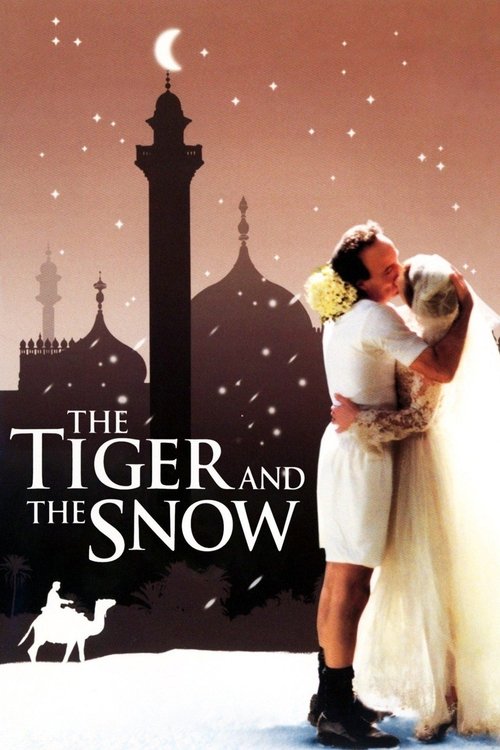
The Tiger and the Snow
Love and injury in time of war. Attilio de Giovanni teaches poetry in Italy. He has a romantic soul, and women love him. But he is in love with Vittoria, and the love is unrequited. Every night he dreams of marrying her, in his boxer shorts and t-shirt, as Tom Waits sings. Vittoria travels to Iraq with her friend, Fuad, a poet; they are there with the second Gulf War breaks out. Vittoria is injured. Attilio must get to her side, and then, as war rages around him, he must find her the medical care she needs. In war, does love conquer all?
The film underperformed commercially against its mid-range budget of $35.0M, earning $24.0M globally (-31% loss). While initial box office returns were modest, the film has gained appreciation for its compelling narrative within the comedy genre.
5 wins & 10 nominations
Plot Structure
Story beats plotted across runtime


Narrative Arc
Emotional journey through the story's key moments
Story Circle
Blueprint 15-beat structure
Arcplot Score Breakdown
Weighted: Precision (70%) + Arc (15%) + Theme (15%)
The Tiger and the Snow (2005) exhibits carefully calibrated narrative design, characteristic of Roberto Benigni's storytelling approach. This structural analysis examines how the film's 15-point plot structure maps to proven narrative frameworks across 1 hour and 54 minutes. With an Arcplot score of 7.5, the film showcases strong structural fundamentals.
Characters
Cast & narrative archetypes

Attilio de Giovanni
Vittoria
Fuad
Emilia
Main Cast & Characters
Attilio de Giovanni
Played by Roberto Benigni
An eccentric Italian poet who falls in love with Vittoria and travels to war-torn Baghdad to save her life.
Vittoria
Played by Nicoletta Braschi
A beautiful writer and translator who becomes the object of Attilio's obsessive love, critically injured in Baghdad.
Fuad
Played by Jean Reno
An Iraqi poet and friend who helps Attilio navigate the chaos of war-torn Baghdad.
Emilia
Played by Emilia Fox
Attilio's friend in Rome who listens to his romantic fantasies and provides grounding perspective.
Structural Analysis
The Status Quo at 1 minutes (1% through the runtime) establishes Attilio dreams of his wedding to Vittoria - a surreal, beautiful ceremony. This establishes his romantic, idealistic nature and obsessive love for a woman who doesn't love him back.. Structural examination shows that this early placement immediately immerses viewers in the story world.
The inciting incident occurs at 14 minutes when Attilio learns that Vittoria has left for Iraq as a war correspondent. This shatters his hopes of winning her love in Rome and introduces the film's political backdrop - the 2003 Iraq War.. At 13% through the film, this Disruption is delayed, allowing extended setup of the story world. This beat shifts the emotional landscape, launching the protagonist into the central conflict.
The First Threshold at 29 minutes marks the transition into Act II, occurring at 25% of the runtime. This indicates the protagonist's commitment to Attilio makes the active choice to travel to Baghdad under the pretense of delivering poetry lectures. He crosses into the war zone, leaving his safe world behind for love., moving from reaction to action.
At 58 minutes, the Midpoint arrives at 51% of the runtime—precisely centered, creating perfect narrative symmetry. Structural examination shows that this crucial beat Vittoria is severely wounded in a bombing attack and falls into a coma. False defeat - Attilio finally finds her, but she's unconscious and dying. The stakes become life and death, not just romantic rejection., fundamentally raising what's at risk. The emotional intensity shifts, dividing the narrative into clear before-and-after phases.
The Collapse moment at 86 minutes (76% through) represents the emotional nadir. Here, Doctors declare Vittoria will die without unavailable medication. Attilio's quest seems hopeless - literal "whiff of death" as the woman he loves is dying and all avenues are exhausted. His romantic optimism crumbles., reveals the protagonist at their lowest point. This beat's placement in the final quarter sets up the climactic reversal.
The Second Threshold at 91 minutes initiates the final act resolution at 80% of the runtime. Attilio synthesizes his romantic determination with practical action. He realizes he must take extreme measures - combining his love (Mirror World lesson) with resourcefulness to obtain the impossible medicine., demonstrating the transformation achieved throughout the journey.
Emotional Journey
The Tiger and the Snow's emotional architecture traces a deliberate progression across 15 carefully calibrated beats.
Narrative Framework
This structural analysis employs proven narrative structure principles that track dramatic progression. By mapping The Tiger and the Snow against these established plot points, we can identify how Roberto Benigni utilizes or subverts traditional narrative conventions. The plot point approach reveals not only adherence to structural principles but also creative choices that distinguish The Tiger and the Snow within the comedy genre.
Roberto Benigni's Structural Approach
Among the 3 Roberto Benigni films analyzed on Arcplot, the average structural score is 7.0, demonstrating varied approaches to story architecture. The Tiger and the Snow represents one of the director's most structurally precise works. For comparative analysis, explore the complete Roberto Benigni filmography.
Comparative Analysis
Additional comedy films include The Bad Guys, Ella Enchanted and The Evening Star. For more Roberto Benigni analyses, see Life is Beautiful, Pinocchio.
Plot Points by Act
Act I
SetupStatus Quo
Attilio dreams of his wedding to Vittoria - a surreal, beautiful ceremony. This establishes his romantic, idealistic nature and obsessive love for a woman who doesn't love him back.
Theme
Attilio lectures about poetry and love to his students: "Love is fear of time." This theme of love transcending rational bounds and conquering impossible obstacles runs through the entire film.
Worldbuilding
Establishment of Attilio's world in Rome: his career as a celebrated poet, his obsessive pursuit of Vittoria who rejects him, his friendship with Fuad, and his role as a devoted single father to his two daughters.
Disruption
Attilio learns that Vittoria has left for Iraq as a war correspondent. This shatters his hopes of winning her love in Rome and introduces the film's political backdrop - the 2003 Iraq War.
Resistance
Attilio debates whether to follow Vittoria to Baghdad. Fuad serves as mentor/guide, warning him about the dangers. Attilio struggles with the decision, weighing his love against the insanity of entering a war zone.
Act II
ConfrontationFirst Threshold
Attilio makes the active choice to travel to Baghdad under the pretense of delivering poetry lectures. He crosses into the war zone, leaving his safe world behind for love.
Mirror World
Attilio arrives in Baghdad and encounters the brutal reality of war - bombings, chaos, suffering. This harsh world mirrors and contrasts his romantic idealism, forcing him to confront reality versus his poetic dreams.
Premise
The "promise of the premise" - Attilio navigating war-torn Baghdad with his naive optimism and poetic worldview. Comic moments as he attempts grand romantic gestures amidst explosions and military checkpoints.
Midpoint
Vittoria is severely wounded in a bombing attack and falls into a coma. False defeat - Attilio finally finds her, but she's unconscious and dying. The stakes become life and death, not just romantic rejection.
Opposition
Attilio fights desperately to save Vittoria's life in a collapsing medical system. Obstacles intensify: medicine shortages, hospital damage, bureaucracy, and the escalating war. His poetic nature proves both asset and liability.
Collapse
Doctors declare Vittoria will die without unavailable medication. Attilio's quest seems hopeless - literal "whiff of death" as the woman he loves is dying and all avenues are exhausted. His romantic optimism crumbles.
Crisis
Attilio's dark night - he processes the imminent loss of Vittoria. He must reconcile his poetic ideals with brutal reality and find new resolve beyond naive romanticism.
Act III
ResolutionSecond Threshold
Attilio synthesizes his romantic determination with practical action. He realizes he must take extreme measures - combining his love (Mirror World lesson) with resourcefulness to obtain the impossible medicine.
Synthesis
Attilio executes a dangerous plan to acquire the medication through black market contacts and personal sacrifice. The finale resolves both the external goal (saving Vittoria) and internal journey (mature love vs. obsession).
Transformation
Vittoria recovers. Final image mirrors the opening dream wedding but grounded in reality - Attilio has transformed from delusional romantic to someone whose love expresses itself through selfless action rather than fantasy.