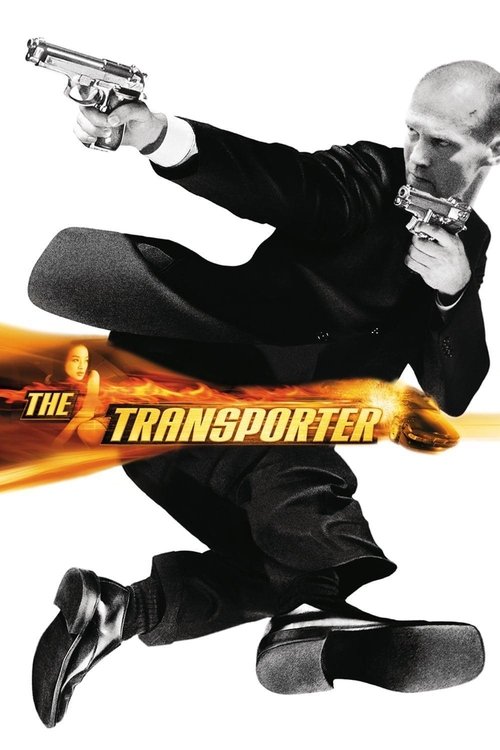
The Transporter
Former Special Forces officer Frank Martin will deliver anything to anyone for the right price, and his no-questions-asked policy puts him in high demand. But when he realizes his latest cargo is alive, it sets in motion a dangerous chain of events. The bound and gagged Lai is being smuggled to France by a shady American businessman, and Frank works to save her as his own illegal activities are uncovered by a French detective.
Despite a mid-range budget of $21.0M, The Transporter became a commercial success, earning $43.9M worldwide—a 109% return.


Plot Structure
Story beats plotted across runtime


Narrative Arc
Emotional journey through the story's key moments
Story Circle
Blueprint 15-beat structure
Arcplot Score Breakdown
Weighted: Precision (70%) + Arc (15%) + Theme (15%)
The Transporter (2002) exhibits carefully calibrated dramatic framework, characteristic of Corey Yuen's storytelling approach. This structural analysis examines how the film's 15-point plot structure maps to proven narrative frameworks across 1 hour and 32 minutes. With an Arcplot score of 6.8, the film balances conventional beats with creative variation.
Characters
Cast & narrative archetypes

Frank Martin
Lai
Darren "Wall Street" Bettencourt
Inspector Tarconi
Main Cast & Characters
Frank Martin
Played by Jason Statham
A former special operations soldier turned professional transporter who lives by strict rules and never asks questions about his packages.
Lai
Played by Shu Qi
A young Chinese woman being trafficked who becomes an unexpected cargo and love interest, forcing Frank to break his rules.
Darren "Wall Street" Bettencourt
Played by Matt Schulze
A ruthless human trafficker and businessman who uses Frank's services and becomes his primary antagonist.
Inspector Tarconi
Played by François Berléand
A friendly French police inspector who suspects Frank's criminal activities but develops a genuine friendship with him.
Structural Analysis
The Status Quo at 1 minutes (1% through the runtime) establishes Frank Martin waits in his pristine BMW, checking his watch with military precision. He is a man of absolute rules and discipline, living a solitary but controlled life as a professional driver-for-hire on the French Riviera.. The analysis reveals that this early placement immediately immerses viewers in the story world.
The inciting incident occurs at 11 minutes when Frank accepts a job from Wall Street, agreeing to transport a package. When he stops and the bag moves, he breaks his third rule and opens it, discovering Lai, a bound Asian woman. His ordered world is shattered.. At 12% through the film, this Disruption aligns precisely with traditional story structure. This beat shifts the emotional landscape, launching the protagonist into the central conflict.
The First Threshold at 23 minutes marks the transition into Act II, occurring at 25% of the runtime. This illustrates the protagonist's commitment to After surviving the car bomb explosion that destroys his home and beloved BMW, Frank makes the active choice to go after Wall Street and rescue Lai. He crosses from transporter to vigilante, abandoning his neutrality., moving from reaction to action.
At 46 minutes, the Midpoint arrives at 50% of the runtime—precisely centered, creating perfect narrative symmetry. Structural examination shows that this crucial beat Frank discovers the true scope of the human trafficking operation and learns Lai's father is the mastermind. This false defeat raises the stakes enormously—Lai has been manipulating him, and the enemy is far more powerful than he realized., fundamentally raising what's at risk. The emotional intensity shifts, dividing the narrative into clear before-and-after phases.
The Collapse moment at 69 minutes (75% through) represents the emotional nadir. Here, Frank is captured and bound, seemingly defeated. He witnesses the scale of human suffering in the trafficking containers—hundreds of people treated as cargo. His own rules made him complicit in this horror., illustrates the protagonist at their lowest point. This beat's placement in the final quarter sets up the climactic reversal.
The Second Threshold at 74 minutes initiates the final act resolution at 80% of the runtime. Frank escapes captivity with new resolve. He synthesizes his skills as a transporter with his newfound moral purpose. The man who never got involved chooses to become the instrument of justice, not just delivery., demonstrating the transformation achieved throughout the journey.
Emotional Journey
The Transporter's emotional architecture traces a deliberate progression across 15 carefully calibrated beats.
Narrative Framework
This structural analysis employs proven narrative structure principles that track dramatic progression. By mapping The Transporter against these established plot points, we can identify how Corey Yuen utilizes or subverts traditional narrative conventions. The plot point approach reveals not only adherence to structural principles but also creative choices that distinguish The Transporter within the action genre.
Corey Yuen's Structural Approach
Among the 3 Corey Yuen films analyzed on Arcplot, the average structural score is 7.0, reflecting strong command of classical structure. The Transporter takes a more unconventional approach compared to the director's typical style. For comparative analysis, explore the complete Corey Yuen filmography.
Comparative Analysis
Additional action films include The Bad Guys, Puss in Boots and Venom: The Last Dance. For more Corey Yuen analyses, see No Retreat, No Surrender, DOA: Dead or Alive.
Plot Points by Act
Act I
SetupStatus Quo
Frank Martin waits in his pristine BMW, checking his watch with military precision. He is a man of absolute rules and discipline, living a solitary but controlled life as a professional driver-for-hire on the French Riviera.
Theme
During the bank robbery getaway, one of the criminals complains about Frank's rigid rules. The theme is established: Rules exist to protect us, but sometimes breaking them is the only way to do what's right.
Worldbuilding
Frank's world is established: his meticulous villa, his three unbreakable rules (no names, no changes to the deal, never open the package), his relationship with Inspector Tarconi, and his reputation as the best transporter in the business.
Disruption
Frank accepts a job from Wall Street, agreeing to transport a package. When he stops and the bag moves, he breaks his third rule and opens it, discovering Lai, a bound Asian woman. His ordered world is shattered.
Resistance
Frank debates what to do with Lai. He delivers her as contracted but is troubled. Wall Street attempts to kill him with a bomb in his car, forcing Frank to confront the consequences of his complicity in human trafficking.
Act II
ConfrontationFirst Threshold
After surviving the car bomb explosion that destroys his home and beloved BMW, Frank makes the active choice to go after Wall Street and rescue Lai. He crosses from transporter to vigilante, abandoning his neutrality.
Mirror World
Lai returns to Frank's destroyed villa, and their relationship deepens. She represents everything Frank has avoided: emotional connection, moral responsibility, and caring about the package. She becomes his thematic mirror.
Premise
The promise of the premise delivers: Frank uses his combat skills and driving expertise to attack Wall Street's operation. Fight sequences showcase his martial arts prowess, culminating in the iconic oil-slick garage battle.
Midpoint
Frank discovers the true scope of the human trafficking operation and learns Lai's father is the mastermind. This false defeat raises the stakes enormously—Lai has been manipulating him, and the enemy is far more powerful than he realized.
Opposition
Wall Street and his men close in. Frank is captured and beaten. Inspector Tarconi becomes suspicious. Lai's conflicted loyalties create tension. The trafficking containers are being moved, and time runs out for the captives.
Collapse
Frank is captured and bound, seemingly defeated. He witnesses the scale of human suffering in the trafficking containers—hundreds of people treated as cargo. His own rules made him complicit in this horror.
Crisis
In captivity, Frank processes his failure. Lai reveals her true motivation—her family was destroyed by her father's criminal empire, and she needs Frank's help to stop him. Frank must choose between survival and justice.
Act III
ResolutionSecond Threshold
Frank escapes captivity with new resolve. He synthesizes his skills as a transporter with his newfound moral purpose. The man who never got involved chooses to become the instrument of justice, not just delivery.
Synthesis
The explosive finale unfolds. Frank pursues the convoy of trafficking trucks, battles Wall Street's forces, and confronts Lai's father. Using his driving expertise and combat skills, he liberates the captives and defeats the villains.
Transformation
Frank stands with Lai as the police arrive. The man who lived by rules of detachment has broken every one of them for a righteous cause. He remains a transporter, but one who now understands some packages are worth protecting.