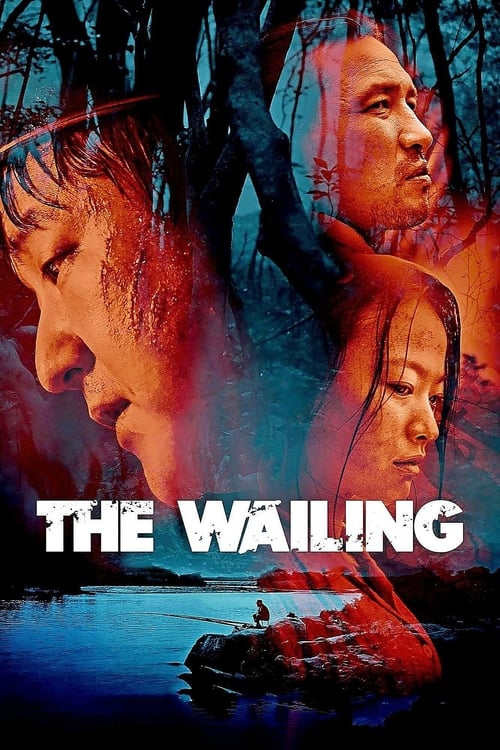
The Wailing
A stranger arrives in a little village and soon after a mysterious sickness starts spreading. A policeman is drawn into the incident and is forced to solve the mystery in order to save his daughter.
Despite its limited budget of $11.0M, The Wailing became a box office success, earning $49.9M worldwide—a 355% return. The film's unconventional structure resonated with audiences, confirming that strong storytelling can transcend budget limitations.
34 wins & 57 nominations


Plot Structure
Story beats plotted across runtime


Narrative Arc
Emotional journey through the story's key moments
Story Circle
Blueprint 15-beat structure
Arcplot Score Breakdown
Weighted: Precision (70%) + Arc (15%) + Theme (15%)
The Wailing (2016) exhibits precise narrative design, characteristic of Na Hong-jin's storytelling approach. This structural analysis examines how the film's 15-point plot structure maps to proven narrative frameworks across 2 hours and 36 minutes. With an Arcplot score of 7.2, the film balances conventional beats with creative variation.
Structural Analysis
The Status Quo at 2 minutes (1% through the runtime) establishes Jong-goo, a bumbling small-town police officer, lives a comfortable if unremarkable life with his daughter Hyo-jin, wife, and mother-in-law in a rural Korean village. He's shown as lazy and ineffectual, more interested in gossip than actual police work.. The analysis reveals that this early placement immediately immerses viewers in the story world.
The inciting incident occurs at 17 minutes when Jong-goo is called to investigate a brutal murder scene where a man has slaughtered his entire family in a violent rage, then sits naked and catatonic covered in a mysterious rash. This horrific crime disrupts the village's peace and marks the beginning of a supernatural plague.. At 11% through the film, this Disruption aligns precisely with traditional story structure. This beat shifts the emotional landscape, launching the protagonist into the central conflict.
The First Threshold at 38 minutes marks the transition into Act II, occurring at 24% of the runtime. This demonstrates the protagonist's commitment to Jong-goo and his partner visit the Japanese stranger's house in the mountains and discover disturbing evidence: photographs of the victims, their belongings, and ritualistic items. Jong-goo actively chooses to pursue the stranger as the culprit, crossing from passive investigation into active confrontation with forces beyond his understanding., moving from reaction to action.
At 77 minutes, the Midpoint arrives at 49% of the runtime—precisely centered, creating perfect narrative symmetry. Significantly, this crucial beat During the intense exorcism battle between Il-gwang and the Japanese stranger (shown in parallel cutting), Jong-goo forces the shaman to stop the ritual, fearing it's killing Hyo-jin. This false defeat - stopping the exorcism - appears to save his daughter momentarily but actually allows the demon to maintain its hold. The stakes are raised: Jong-goo has now directly interfered with spiritual forces., fundamentally raising what's at risk. The emotional intensity shifts, dividing the narrative into clear before-and-after phases.
The Collapse moment at 115 minutes (74% through) represents the emotional nadir. Here, Jong-goo discovers Il-gwang has been working with the Japanese stranger all along - they are both demons. His mother-in-law is killed by possessed Hyo-jin. Jong-goo reaches his darkest moment: he has trusted the wrong people, endangered his daughter, and lost his family. Everything he believed and every action he took was wrong., reveals the protagonist at their lowest point. This beat's placement in the final quarter sets up the climactic reversal.
The Second Threshold at 123 minutes initiates the final act resolution at 79% of the runtime. Jong-goo breaks faith. Unable to trust the mysterious woman and driven by desperation to save his daughter immediately, he runs home before the third crow. This choice - born of lack of faith and inability to discern truth from deception - seals his fate. He chooses doubt over faith, action over patience., demonstrating the transformation achieved throughout the journey.
Emotional Journey
The Wailing's emotional architecture traces a deliberate progression across 15 carefully calibrated beats.
Narrative Framework
This structural analysis employs structural analysis methodology used to understand storytelling architecture. By mapping The Wailing against these established plot points, we can identify how Na Hong-jin utilizes or subverts traditional narrative conventions. The plot point approach reveals not only adherence to structural principles but also creative choices that distinguish The Wailing within the horror genre.
Comparative Analysis
Additional horror films include Thinner, A Nightmare on Elm Street and Mary Reilly.
Plot Points by Act
Act I
SetupStatus Quo
Jong-goo, a bumbling small-town police officer, lives a comfortable if unremarkable life with his daughter Hyo-jin, wife, and mother-in-law in a rural Korean village. He's shown as lazy and ineffectual, more interested in gossip than actual police work.
Theme
Jong-goo's mother-in-law quotes Luke 24:39: "See my hands and my feet, that it is I myself. Touch me, and see. For a spirit does not have flesh and bones." This biblical reference establishes the film's core theme: the inability to distinguish between good and evil, truth and deception.
Worldbuilding
The peaceful village is established with its routines, relationships, and social dynamics. Jong-goo's incompetence as a police officer is shown through his interactions with colleagues and family. Rumors circulate about a mysterious Japanese stranger living in the mountains.
Disruption
Jong-goo is called to investigate a brutal murder scene where a man has slaughtered his entire family in a violent rage, then sits naked and catatonic covered in a mysterious rash. This horrific crime disrupts the village's peace and marks the beginning of a supernatural plague.
Resistance
Jong-goo investigates the murders with increasing fear and confusion. More cases emerge of villagers developing rashes, then violently killing their families. Rumors intensify about the Japanese stranger being responsible. Jong-goo debates whether to believe in supernatural explanations or rational ones, resisting action while gathering information.
Act II
ConfrontationFirst Threshold
Jong-goo and his partner visit the Japanese stranger's house in the mountains and discover disturbing evidence: photographs of the victims, their belongings, and ritualistic items. Jong-goo actively chooses to pursue the stranger as the culprit, crossing from passive investigation into active confrontation with forces beyond his understanding.
Mirror World
Introduction of Il-gwang, a shaman hired by Jong-goo's family. Il-gwang represents faith and the spiritual world, serving as the thematic counterpoint to Jong-goo's rationalist skepticism. He claims the Japanese stranger is a demon and offers to perform an exorcism.
Premise
The horror escalates as Jong-goo's daughter Hyo-jin begins showing symptoms - the rash appears and her behavior becomes increasingly violent and disturbed. Jong-goo desperately tries both rational (doctors) and supernatural (shaman) solutions. The film delivers on its premise of spiritual horror as we witness the exorcism ritual intercut with the Japanese stranger performing a counter-ritual.
Midpoint
During the intense exorcism battle between Il-gwang and the Japanese stranger (shown in parallel cutting), Jong-goo forces the shaman to stop the ritual, fearing it's killing Hyo-jin. This false defeat - stopping the exorcism - appears to save his daughter momentarily but actually allows the demon to maintain its hold. The stakes are raised: Jong-goo has now directly interfered with spiritual forces.
Opposition
Hyo-jin's condition worsens despite the interrupted exorcism. Jong-goo becomes increasingly paranoid and desperate. A mysterious woman in white (Moo-myeong) appears, claiming the Japanese man is innocent and Il-gwang is the true demon. Jong-goo doesn't know who to trust. Evidence contradicts itself. His investigation unravels as every source of authority - the shaman, the stranger, the woman - appears both credible and deceptive.
Collapse
Jong-goo discovers Il-gwang has been working with the Japanese stranger all along - they are both demons. His mother-in-law is killed by possessed Hyo-jin. Jong-goo reaches his darkest moment: he has trusted the wrong people, endangered his daughter, and lost his family. Everything he believed and every action he took was wrong.
Crisis
Jong-goo flees with Hyo-jin into the night, desperate and broken. He encounters the woman in white again who tells him he must trust her and wait until the rooster crows three times before returning home - only then will Hyo-jin be saved. Jong-goo wrestles with this final test of faith.
Act III
ResolutionSecond Threshold
Jong-goo breaks faith. Unable to trust the mysterious woman and driven by desperation to save his daughter immediately, he runs home before the third crow. This choice - born of lack of faith and inability to discern truth from deception - seals his fate. He chooses doubt over faith, action over patience.
Synthesis
Jong-goo returns home to find Hyo-jin in a complete demonic state. She brutally murders him and his wife. Meanwhile, the woman in white confronts the Japanese demon in his lair, revealing herself as a guardian/angel figure. The demon reveals his true form. The intercut finale shows the consequences of Jong-goo's faithlessness: his family destroyed, the demon triumphant.
Transformation
The Japanese demon sits peacefully taking photographs - revealed as his method of claiming souls - while Jong-goo's entire family lies dead. The final image mirrors the opening's domestic peace but inverted into horror: where there was life and family, now only death. Jong-goo's failure to distinguish good from evil, his inability to have faith, has led to complete corruption and loss.