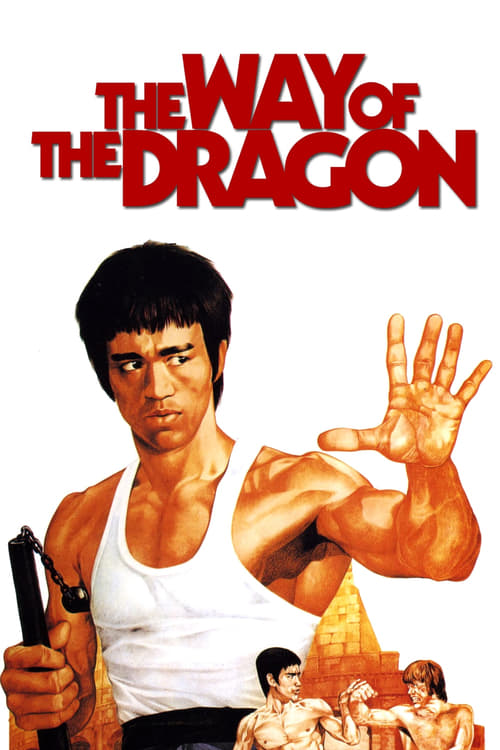
The Way of the Dragon
After a Chinese restaurant in Rome is threatened by the mafia, who will stop at nothing to acquire the property, the owner recruits a family friend in Hong Kong, kung fu expert Tang Lung, to help them defend their business.
Despite its minimal budget of $130K, The Way of the Dragon became a massive hit, earning $27.0M worldwide—a remarkable 20669% return. The film's unique voice resonated with audiences, showing that strong storytelling can transcend budget limitations.


Plot Structure
Story beats plotted across runtime


Narrative Arc
Emotional journey through the story's key moments
Story Circle
Blueprint 15-beat structure
Arcplot Score Breakdown
Weighted: Precision (70%) + Arc (15%) + Theme (15%)
The Way of the Dragon (1972) showcases carefully calibrated story structure, characteristic of Bruce Lee's storytelling approach. This structural analysis examines how the film's 15-point plot structure maps to proven narrative frameworks across 1 hour and 40 minutes. With an Arcplot score of 7.0, the film balances conventional beats with creative variation.
Characters
Cast & narrative archetypes

Tang Lung
Chen Ching Hua
Colt
Ho
The Boss
Main Cast & Characters
Tang Lung
Played by Bruce Lee
A martial artist from Hong Kong sent to Rome to help his family's restaurant defend against local gangsters.
Chen Ching Hua
Played by Nora Miao
The niece of the restaurant owner who becomes Tang Lung's ally and potential love interest.
Colt
Played by Chuck Norris
An American martial artist hired as the ultimate assassin to eliminate Tang Lung in the Colosseum showdown.
Ho
Played by Wong In-sik
A Chinese interpreter and martial artist who befriends Tang Lung and helps him navigate Rome.
The Boss
Played by Jon T. Benn
The crime syndicate leader who orchestrates the campaign to take over the Chinese restaurant.
Structural Analysis
The Status Quo at 1 minutes (1% through the runtime) establishes Tang Lung arrives at Rome airport, a fish out of water in a foreign land, unable to speak the language and appearing naive and vulnerable.. Structural examination shows that this early placement immediately immerses viewers in the story world.
The inciting incident occurs at 13 minutes when Thugs attack the restaurant workers in the alley, demonstrating the real danger and violence the community faces from the syndicate.. At 13% through the film, this Disruption is delayed, allowing extended setup of the story world. This beat shifts the emotional landscape, launching the protagonist into the central conflict.
The First Threshold at 25 minutes marks the transition into Act II, occurring at 25% of the runtime. This shows the protagonist's commitment to Tang Lung makes the active choice to defend the restaurant and community, revealing his martial arts prowess in his first confrontation with the thugs., moving from reaction to action.
At 50 minutes, the Midpoint arrives at 50% of the runtime—precisely centered, creating perfect narrative symmetry. Structural examination shows that this crucial beat The crime boss Ho, frustrated by repeated failures, decides to import professional killers from America, raising the stakes to a lethal level., fundamentally raising what's at risk. The emotional intensity shifts, dividing the narrative into clear before-and-after phases.
The Collapse moment at 75 minutes (75% through) represents the emotional nadir. Here, Tang Lung faces overwhelming odds as multiple expert killers coordinate their attack. A trusted ally is revealed as a traitor, creating maximum danger and isolation., demonstrates the protagonist at their lowest point. This beat's placement in the final quarter sets up the climactic reversal.
The Second Threshold at 80 minutes initiates the final act resolution at 80% of the runtime. Tang Lung accepts the final challenge to face Colt at the Roman Colosseum, understanding this is the only way to end the threat permanently., demonstrating the transformation achieved throughout the journey.
Emotional Journey
The Way of the Dragon's emotional architecture traces a deliberate progression across 15 carefully calibrated beats.
Narrative Framework
This structural analysis employs proven narrative structure principles that track dramatic progression. By mapping The Way of the Dragon against these established plot points, we can identify how Bruce Lee utilizes or subverts traditional narrative conventions. The plot point approach reveals not only adherence to structural principles but also creative choices that distinguish The Way of the Dragon within the action genre.
Comparative Analysis
Additional action films include The Bad Guys, Puss in Boots and Venom: The Last Dance.
Plot Points by Act
Act I
SetupStatus Quo
Tang Lung arrives at Rome airport, a fish out of water in a foreign land, unable to speak the language and appearing naive and vulnerable.
Theme
Chen Ching Hua tells Tang Lung that sometimes you must fight for what's right, introducing the theme of standing up against oppression despite the risks.
Worldbuilding
Tang Lung meets Chen and her uncle, learns about their Chinese restaurant being threatened by local gangsters who want to buy the property, and sees the fear in the community.
Disruption
Thugs attack the restaurant workers in the alley, demonstrating the real danger and violence the community faces from the syndicate.
Resistance
Tang Lung observes the situation, initially appearing meek but internally preparing. The restaurant workers debate whether to fight or flee, with Tang learning the full extent of the syndicate's power.
Act II
ConfrontationFirst Threshold
Tang Lung makes the active choice to defend the restaurant and community, revealing his martial arts prowess in his first confrontation with the thugs.
Mirror World
Tang Lung connects with Chen Ching Hua and begins teaching the restaurant workers martial arts, introducing the subplot of cultural pride and collective empowerment.
Premise
Tang Lung trains the workers, systematically defeats waves of increasingly skilled fighters sent by the syndicate, including karate and martial arts experts, showing his superiority.
Midpoint
The crime boss Ho, frustrated by repeated failures, decides to import professional killers from America, raising the stakes to a lethal level.
Opposition
Professional assassins arrive including Colt the gunfighter and various martial arts experts. Betrayal from within threatens Tang. The opposition becomes deadlier and more organized.
Collapse
Tang Lung faces overwhelming odds as multiple expert killers coordinate their attack. A trusted ally is revealed as a traitor, creating maximum danger and isolation.
Crisis
Tang Lung must confront the darkness of lethal combat and the realization that he may have to kill to protect those he cares about.
Act III
ResolutionSecond Threshold
Tang Lung accepts the final challenge to face Colt at the Roman Colosseum, understanding this is the only way to end the threat permanently.
Synthesis
The iconic Colosseum battle where Tang Lung defeats multiple opponents and faces Colt in an epic martial arts duel, combining all his skills and resolve to triumph.
Transformation
Tang Lung departs Rome, no longer the naive arrival but a proven warrior who has saved the community. He covers Colt's body respectfully, showing he has become a complete martial artist with honor.