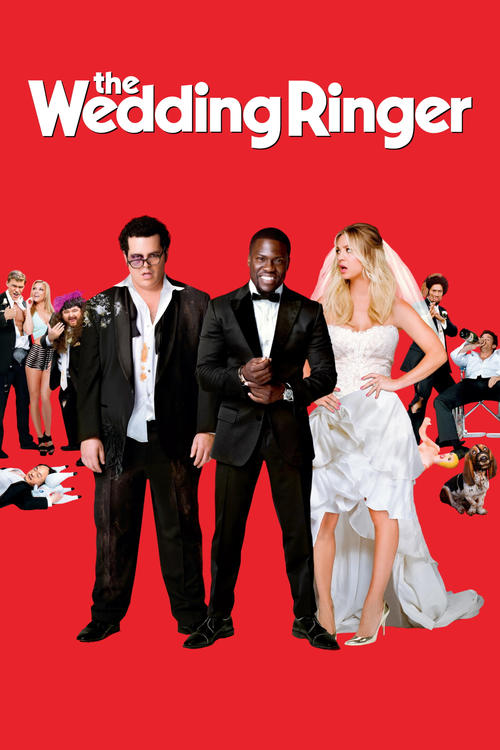
The Wedding Ringer
Doug Harris is a loveable but socially awkward groom-to-be with a problem: he has no best man. With less than two weeks to go until he marries the girl of his dreams, Doug is referred to Jimmy Callahan, owner and CEO of Best Man, Inc., a company that provides flattering best men for socially challenged guys in need. What ensues is a hilarious wedding charade as they try to pull off the big con, and an unexpected budding bromance between Doug and his fake best man Jimmy.
Despite a mid-range budget of $23.0M, The Wedding Ringer became a solid performer, earning $79.8M worldwide—a 247% return.
2 wins & 4 nominations


Plot Structure
Story beats plotted across runtime


Narrative Arc
Emotional journey through the story's key moments
Story Circle
Blueprint 15-beat structure
Arcplot Score Breakdown
Weighted: Precision (70%) + Arc (15%) + Theme (15%)
The Wedding Ringer (2015) reveals carefully calibrated narrative design, characteristic of Jeremy Garelick's storytelling approach. This structural analysis examines how the film's 15-point plot structure maps to proven narrative frameworks across 1 hour and 41 minutes. With an Arcplot score of 7.3, the film balances conventional beats with creative variation.
Characters
Cast & narrative archetypes

Doug Harris
Jimmy Callahan
Gretchen Palmer
Ed Palmer
Alison Palmer
Main Cast & Characters
Doug Harris
Played by Josh Gad
A socially awkward groom with no friends who hires a best man for his wedding.
Jimmy Callahan
Played by Kevin Hart
A professional fake best man who runs a wedding services business for friendless grooms.
Gretchen Palmer
Played by Kaley Cuoco
Doug's controlling and status-obsessed fiancée who comes from a wealthy family.
Ed Palmer
Played by Ken Howard
Gretchen's suspicious and protective father who distrusts Doug.
Alison Palmer
Played by Mimi Rogers
Gretchen's kind and perceptive mother who sees through social pretense.
Structural Analysis
The Status Quo at 1 minutes (1% through the runtime) establishes Doug Harris sits alone at a bar, socially awkward and friendless, establishing his isolated ordinary world where he has no real connections.. Of particular interest, this early placement immediately immerses viewers in the story world.
The inciting incident occurs at 12 minutes when Doug admits to Jimmy he needs not just a best man, but seven groomsmen - a "Golden Tux" level request that seems impossible and exposes the depth of his loneliness.. At 12% through the film, this Disruption aligns precisely with traditional story structure. This beat shifts the emotional landscape, launching the protagonist into the central conflict.
The First Threshold at 26 minutes marks the transition into Act II, occurring at 26% of the runtime. This indicates the protagonist's commitment to Doug actively chooses to hire Jimmy for the Golden Tux package, paying $50,000 and committing to the elaborate deception rather than face the truth., moving from reaction to action.
At 51 minutes, the Midpoint arrives at 50% of the runtime—precisely centered, creating perfect narrative symmetry. Notably, this crucial beat The bachelor party is a wild success - Doug feels like he finally has friends and is having the time of his life, but this false victory is built entirely on lies., fundamentally raising what's at risk. The emotional intensity shifts, dividing the narrative into clear before-and-after phases.
The Collapse moment at 74 minutes (73% through) represents the emotional nadir. Here, The wedding falls apart when Gretchen's grandmother exposes the groomsmen as frauds in front of everyone - Doug's deception dies, his fake friendships die, and his relationship collapses., reveals the protagonist at their lowest point. This beat's placement in the final quarter sets up the climactic reversal.
The Second Threshold at 80 minutes initiates the final act resolution at 80% of the runtime. Doug realizes that Jimmy was his only real friend all along - the paid relationship became genuine - giving him the insight to pursue authentic connection over perfect appearances., demonstrating the transformation achieved throughout the journey.
Emotional Journey
The Wedding Ringer's emotional architecture traces a deliberate progression across 15 carefully calibrated beats.
Narrative Framework
This structural analysis employs structural analysis methodology used to understand storytelling architecture. By mapping The Wedding Ringer against these established plot points, we can identify how Jeremy Garelick utilizes or subverts traditional narrative conventions. The plot point approach reveals not only adherence to structural principles but also creative choices that distinguish The Wedding Ringer within the comedy genre.
Jeremy Garelick's Structural Approach
Among the 2 Jeremy Garelick films analyzed on Arcplot, the average structural score is 7.0, reflecting strong command of classical structure. The Wedding Ringer represents one of the director's most structurally precise works. For comparative analysis, explore the complete Jeremy Garelick filmography.
Comparative Analysis
Additional comedy films include The Bad Guys, Ella Enchanted and The Evening Star. For more Jeremy Garelick analyses, see Murder Mystery 2.
Plot Points by Act
Act I
SetupStatus Quo
Doug Harris sits alone at a bar, socially awkward and friendless, establishing his isolated ordinary world where he has no real connections.
Theme
Jimmy Callahan tells Doug about his business: "It's not about the lies, it's about what the lies protect" - stating the theme about authenticity versus deception in relationships.
Worldbuilding
Introduction to Doug's life: successful lawyer but no friends, engaged to Gretchen, desperately trying to find groomsmen, and Jimmy's business providing fake best men for weddings.
Disruption
Doug admits to Jimmy he needs not just a best man, but seven groomsmen - a "Golden Tux" level request that seems impossible and exposes the depth of his loneliness.
Resistance
Jimmy initially refuses the Golden Tux request as too risky, Doug debates whether to confess to Gretchen, but desperation and money eventually bring Jimmy back to negotiate terms.
Act II
ConfrontationFirst Threshold
Doug actively chooses to hire Jimmy for the Golden Tux package, paying $50,000 and committing to the elaborate deception rather than face the truth.
Mirror World
Jimmy and Doug begin working together, developing an unexpected friendship as Jimmy teaches Doug how to act like he has friends - the relationship that will teach Doug about real connection.
Premise
The fun of the premise: assembling the fake groomsmen, creating backstories, bachelor party chaos, and elaborate rehearsals while Doug and Jimmy bond through the deception.
Midpoint
The bachelor party is a wild success - Doug feels like he finally has friends and is having the time of his life, but this false victory is built entirely on lies.
Opposition
Pressure mounts: Gretchen's family investigates the groomsmen's stories, cracks appear in the deception, Doug realizes he has real feelings of friendship with Jimmy, and the lies become harder to maintain.
Collapse
The wedding falls apart when Gretchen's grandmother exposes the groomsmen as frauds in front of everyone - Doug's deception dies, his fake friendships die, and his relationship collapses.
Crisis
Doug sits in darkness processing his humiliation and loss, facing the consequences of choosing lies over authenticity, questioning who he really is without the deception.
Act III
ResolutionSecond Threshold
Doug realizes that Jimmy was his only real friend all along - the paid relationship became genuine - giving him the insight to pursue authentic connection over perfect appearances.
Synthesis
Doug confronts his choices, makes amends with Jimmy, chooses honesty over deception, and the fake groomsmen return to support him genuinely as he embraces his authentic self.
Transformation
Doug stands with Jimmy and the former fake groomsmen as real friends, transformed from a lonely man living a lie into someone with genuine connections built on truth.