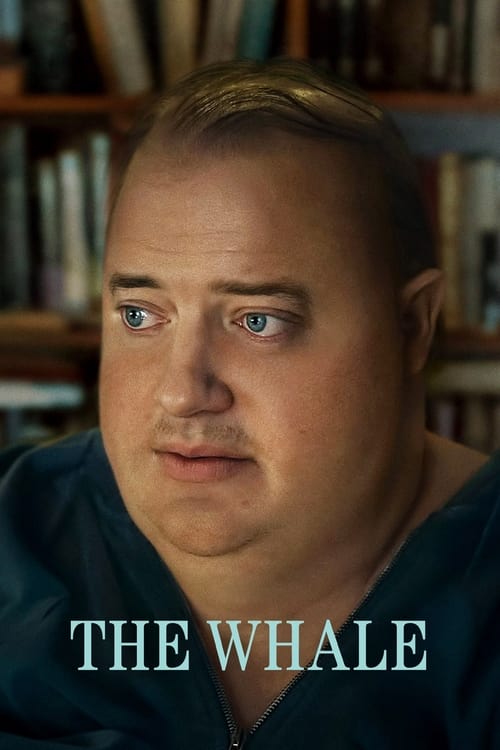
The Whale poster
7
Arcplot Score
Unverified

The Whale

2022117 minR

A reclusive English teacher suffering from severe obesity attempts to reconnect with his estranged teenage daughter for one last chance at redemption.

Revenue$55.1M
Budget$3.0M
Profit
+52.1M
+1737%

Despite its small-scale budget of $3.0M, The Whale became a runaway success, earning $55.1M worldwide—a remarkable 1737% return. The film's distinctive approach attracted moviegoers, showing that strong storytelling can transcend budget limitations.

TMDb7.8
Popularity4.5
Where to Watch
HBO MaxHBO Max Amazon ChannelAmazon VideoApple TVGoogle Play MoviesYouTubeFandango At HomeSpectrum On DemandPlex

Plot Structure

Story beats plotted across runtime

Act ISetupAct IIConfrontationAct IIIResolutionWorldbuilding3Resistance5Premise8Opposition10Crisis12Synthesis14124679111513
Color Timeline
Color timeline
Sound Timeline
Sound timeline
Threshold
Section
Plot Point

Narrative Arc

Emotional journey through the story's key moments

0-2-5
0m22m43m65m87m
Plot Point
Act Threshold
Emotional Arc

Story Circle

Blueprint 15-beat structure

Loading Story Circle...

Arcplot Score Breakdown

Structural Adherence: Standard
8.7/10
3.5/10
2.5/10
Overall Score7/10

Weighted: Precision (70%) + Arc (15%) + Theme (15%)

The Whale (2022) reveals meticulously timed plot construction, characteristic of Darren Aronofsky's storytelling approach. This structural analysis examines how the film's 13-point plot structure maps to proven narrative frameworks across 1 hour and 57 minutes. With an Arcplot score of 7.0, the film balances conventional beats with creative variation.

Structural Analysis

The Status Quo at 1 minutes (1% through the runtime) establishes Charlie, a morbidly obese man, sits alone in his apartment eating and watching pornography while teaching an online writing class with his camera off. He suffers a heart attack-like episode, unable to move, facing death in isolation and self-loathing.. The analysis reveals that this early placement immediately immerses viewers in the story world.

The inciting incident occurs at 14 minutes when Charlie asks Liz to help him reconnect with his estranged daughter Ellie, offering her money to spend time with him during his final week of life. This decision sets the story in motion—he will attempt reconciliation before he dies.. At 12% through the film, this Disruption aligns precisely with traditional story structure. This beat shifts the emotional landscape, launching the protagonist into the central conflict.

The First Threshold at 29 minutes marks the transition into Act II, occurring at 25% of the runtime. This reveals the protagonist's commitment to Charlie makes a deal with Ellie: he will write her school essays so she can graduate and get reinstated, and in return she will spend time with him. He chooses to enable her and pursue connection despite the toxicity, fully committing to this final week with her., moving from reaction to action.

At 59 minutes, the Midpoint arrives at 50% of the runtime—precisely centered, creating perfect narrative symmetry. Significantly, this crucial beat The stakes are raised when the truth about Thomas is revealed—he is a fraud, not actually from the New Life church, and is hiding from his past. Simultaneously, Ellie's cruelty escalates as she posts humiliating content from Charlie's life online. Charlie's physical state worsens dramatically; he can barely walk. The false hope of connection starts crumbling., fundamentally raising what's at risk. The emotional intensity shifts, dividing the narrative into clear before-and-after phases.

The Collapse moment at 87 minutes (74% through) represents the emotional nadir. Here, Charlie suffers a severe medical crisis and collapses. Liz finds him unresponsive and calls for an ambulance. Charlie refuses to go, accepting his death. In this darkest moment, he is alone with his guilt, grief, and the belief that he has failed everyone, including Ellie. Death feels imminent and inevitable., indicates the protagonist at their lowest point. This beat's placement in the final quarter sets up the climactic reversal.

The Synthesis at 94 minutes initiates the final act resolution at 81% of the runtime. In his final moments, Charlie stands up from his wheelchair—a physical impossibility that represents transcendence. As Ellie reads the essay's final lines about honesty and beauty, Charlie walks toward the light, his face filled with peace and joy. He is freed from his body, his guilt, and his pain., demonstrating the transformation achieved throughout the journey.

Emotional Journey

The Whale's emotional architecture traces a deliberate progression across 13 carefully calibrated beats.

Narrative Framework

This structural analysis employs a 15-point narrative structure framework that maps key story moments. By mapping The Whale against these established plot points, we can identify how Darren Aronofsky utilizes or subverts traditional narrative conventions. The plot point approach reveals not only adherence to structural principles but also creative choices that distinguish The Whale within the drama genre.

Darren Aronofsky's Structural Approach

Among the 6 Darren Aronofsky films analyzed on Arcplot, the average structural score is 6.2, demonstrating varied approaches to story architecture. The Whale represents one of the director's most structurally precise works. For comparative analysis, explore the complete Darren Aronofsky filmography.

Comparative Analysis

Additional drama films include Eye for an Eye, South Pacific and Kiss of the Spider Woman. For more Darren Aronofsky analyses, see The Wrestler, Black Swan and mother!.

Plot Points by Act

Act I

Setup
1

Status Quo

1 min0.9%-1 tone

Charlie, a morbidly obese man, sits alone in his apartment eating and watching pornography while teaching an online writing class with his camera off. He suffers a heart attack-like episode, unable to move, facing death in isolation and self-loathing.

2

Theme

6 min5.5%-1 tone

Liz, Charlie's caretaker, tells him: "You need to go to the hospital or you're going to die." Charlie refuses, stating he has no money and doesn't have much time left anyway. The theme of redemption versus resignation, choosing life versus choosing death, is established.

3

Worldbuilding

1 min0.9%-1 tone

We learn Charlie is dying from congestive heart failure due to binge-eating disorder. He lives in isolation, teaching online classes while hiding his appearance. His only friend is Liz, who was the sister of his deceased partner Alan. A missionary named Thomas begins visiting. Charlie's ex-wife Mary is bitter and distant. His estranged teenage daughter Ellie hasn't seen him in eight years.

4

Disruption

14 min11.9%-2 tone

Charlie asks Liz to help him reconnect with his estranged daughter Ellie, offering her money to spend time with him during his final week of life. This decision sets the story in motion—he will attempt reconciliation before he dies.

5

Resistance

14 min11.9%-2 tone

Charlie navigates his first interactions with Ellie, who is cruel, manipulative, and hostile. She smokes weed, insults him, and has been expelled from school for cyberbullying. Liz warns Charlie that Ellie is dangerous. Thomas continues visiting, and we learn he's hiding from his church. Charlie reads an essay about Moby-Dick that gives him hope and comfort.

Act II

Confrontation
6

First Threshold

29 min24.8%-2 tone

Charlie makes a deal with Ellie: he will write her school essays so she can graduate and get reinstated, and in return she will spend time with him. He chooses to enable her and pursue connection despite the toxicity, fully committing to this final week with her.

7

Mirror World

34 min29.4%-2 tone

Ellie and Charlie begin their tentative relationship. She represents both his hope for redemption and the pain of his past choices. Through her, the thematic question is embodied: Can someone find forgiveness and meaning even after abandoning those they loved?

8

Premise

29 min24.8%-2 tone

Charlie and Ellie spend time together in his apartment. She is caustic and tests him repeatedly, but he sees glimpses of humanity in her. He helps her with essays, they share moments of dark humor, and he tries to reach through her armor. Meanwhile, his health deteriorates visibly—his breathing worsens, his mobility decreases, and Liz grows more desperate for him to seek medical help.

9

Midpoint

59 min50.5%-3 tone

The stakes are raised when the truth about Thomas is revealed—he is a fraud, not actually from the New Life church, and is hiding from his past. Simultaneously, Ellie's cruelty escalates as she posts humiliating content from Charlie's life online. Charlie's physical state worsens dramatically; he can barely walk. The false hope of connection starts crumbling.

10

Opposition

59 min50.5%-3 tone

Charlie's health spirals as his blood pressure skyrockets and his body begins shutting down. Mary arrives and confronts Charlie about the past—how he abandoned their family for Alan, leading to Alan's depression and eventual suicide. Ellie's anger intensifies when she learns the truth about her father's choices. Everyone closes in on Charlie with their pain, blame, and need for answers.

11

Collapse

87 min74.3%-4 tone

Charlie suffers a severe medical crisis and collapses. Liz finds him unresponsive and calls for an ambulance. Charlie refuses to go, accepting his death. In this darkest moment, he is alone with his guilt, grief, and the belief that he has failed everyone, including Ellie. Death feels imminent and inevitable.

12

Crisis

87 min74.3%-4 tone

Charlie lies in darkness, physically broken and emotionally devastated. He reflects on his life, his love for Alan, and his failures as a father. Liz sits with him in his despair. The essay about Moby-Dick—written by Ellie years ago—becomes his anchor, the one piece of evidence that people can be amazing, that honesty matters.

Act III

Resolution
14

Synthesis

94 min80.7%-4 tone

In his final moments, Charlie stands up from his wheelchair—a physical impossibility that represents transcendence. As Ellie reads the essay's final lines about honesty and beauty, Charlie walks toward the light, his face filled with peace and joy. He is freed from his body, his guilt, and his pain.