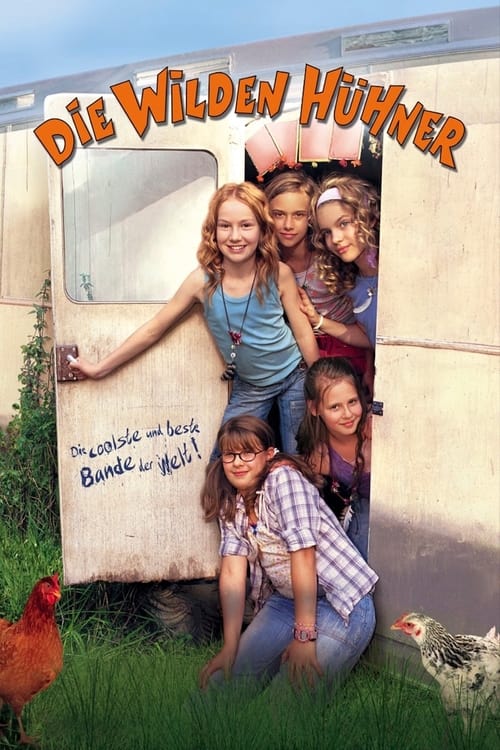
The Wild Chicks
Twelve-year-old Sprotte has a 'gang' with her three friends Frieda, Melanie, and Trude. Together, the girls care for Sprotte's grandmother's chickens. The new girl in school, Wilma, wishes to join the group, which Melanie is very unhappy about, and on top of all of that they have an ongoing revalisasion with a group of boys.
The film earned $6.1M at the global box office.
Plot Structure
Story beats plotted across runtime


Narrative Arc
Emotional journey through the story's key moments
Story Circle
Blueprint 15-beat structure
Arcplot Score Breakdown
Weighted: Precision (70%) + Arc (15%) + Theme (15%)
The Wild Chicks (2006) demonstrates deliberately positioned narrative architecture, characteristic of Vivian Naefe's storytelling approach. This structural analysis examines how the film's 15-point plot structure maps to proven narrative frameworks across 1 hour and 45 minutes. With an Arcplot score of 7.3, the film balances conventional beats with creative variation.
Structural Analysis
The Status Quo at 2 minutes (1% through the runtime) establishes The Wild Chicks (Sprotte, Frieda, Melanie, and Trude) meet at their secret clubhouse in the garden, a place of freedom and friendship where the four girls bond and plan their adventures.. Significantly, this early placement immediately immerses viewers in the story world.
The inciting incident occurs at 12 minutes when The girls discover that Sprotte's grandmother's garden (where their clubhouse is located) is being sold, threatening to destroy their beloved meeting place and the heart of their friendship.. At 12% through the film, this Disruption aligns precisely with traditional story structure. This beat shifts the emotional landscape, launching the protagonist into the central conflict.
The First Threshold at 25 minutes marks the transition into Act II, occurring at 24% of the runtime. This illustrates the protagonist's commitment to The Wild Chicks officially accept Wilma as their fifth member and actively choose to fight to save the clubhouse. They form an unlikely alliance with the Pygmies to raise money and prevent the garden's sale., moving from reaction to action.
At 52 minutes, the Midpoint arrives at 50% of the runtime—precisely centered, creating perfect narrative symmetry. Structural examination shows that this crucial beat False victory: The fundraising efforts appear successful and the kids raise a significant amount of money. They celebrate their achievement and the Wild Chicks and Pygmies share a moment of genuine friendship and accomplishment., fundamentally raising what's at risk. The emotional intensity shifts, dividing the narrative into clear before-and-after phases.
The Collapse moment at 78 minutes (75% through) represents the emotional nadir. Here, The garden sale goes through despite their efforts. The clubhouse is destroyed/lost, and the Wild Chicks fracture with harsh words exchanged. The death of their shared dream and the potential end of their friendship., indicates the protagonist at their lowest point. This beat's placement in the final quarter sets up the climactic reversal.
The Second Threshold at 85 minutes initiates the final act resolution at 81% of the runtime. Sprotte realizes that true friendship isn't dependent on a physical place. She reaches out to reunite the Wild Chicks, understanding that sticking together matters more than any clubhouse. The theme stated earlier is now understood., demonstrating the transformation achieved throughout the journey.
Emotional Journey
The Wild Chicks's emotional architecture traces a deliberate progression across 15 carefully calibrated beats.
Narrative Framework
This structural analysis employs a 15-point narrative structure framework that maps key story moments. By mapping The Wild Chicks against these established plot points, we can identify how Vivian Naefe utilizes or subverts traditional narrative conventions. The plot point approach reveals not only adherence to structural principles but also creative choices that distinguish The Wild Chicks within the comedy genre.
Vivian Naefe's Structural Approach
Among the 2 Vivian Naefe films analyzed on Arcplot, the average structural score is 7.3, reflecting strong command of classical structure. The Wild Chicks represents one of the director's most structurally precise works. For comparative analysis, explore the complete Vivian Naefe filmography.
Comparative Analysis
Additional comedy films include The Ministry of Ungentlemanly Warfare, The Bad Guys and Lake Placid. For more Vivian Naefe analyses, see Wild Chicks in Love.
Plot Points by Act
Act I
SetupStatus Quo
The Wild Chicks (Sprotte, Frieda, Melanie, and Trude) meet at their secret clubhouse in the garden, a place of freedom and friendship where the four girls bond and plan their adventures.
Theme
Sprotte's grandmother tells her that "true friends stick together no matter what" when discussing the importance of loyalty and standing by those you care about, establishing the film's central theme.
Worldbuilding
Introduction to the Wild Chicks' world: their clubhouse, school life, rivalry with the Pygmies boys' club, and the new girl Wilma who wants to join. The girls' personalities and group dynamics are established.
Disruption
The girls discover that Sprotte's grandmother's garden (where their clubhouse is located) is being sold, threatening to destroy their beloved meeting place and the heart of their friendship.
Resistance
The girls debate how to save their clubhouse. They consider various options, argue about whether to accept help from the Pygmies, and struggle with accepting Wilma into their group. Sprotte resists change.
Act II
ConfrontationFirst Threshold
The Wild Chicks officially accept Wilma as their fifth member and actively choose to fight to save the clubhouse. They form an unlikely alliance with the Pygmies to raise money and prevent the garden's sale.
Mirror World
The relationship between the Wild Chicks and Pygmies begins to shift from pure rivalry to tentative cooperation. Fred (a Pygmy) and Sprotte share a moment that hints at deeper understanding between the groups.
Premise
The fun of the premise: the girls and boys work together on various money-making schemes, navigate their changing dynamics, and experience the comedy and chaos of their unlikely partnership. Friendship deepens within the group.
Midpoint
False victory: The fundraising efforts appear successful and the kids raise a significant amount of money. They celebrate their achievement and the Wild Chicks and Pygmies share a moment of genuine friendship and accomplishment.
Opposition
Complications arise: internal conflicts within the groups resurface, jealousies emerge, the money isn't enough, and adult interference increases. Trust between the Wild Chicks and Pygmies begins to fracture under pressure.
Collapse
The garden sale goes through despite their efforts. The clubhouse is destroyed/lost, and the Wild Chicks fracture with harsh words exchanged. The death of their shared dream and the potential end of their friendship.
Crisis
The girls separately process their loss and betrayal. Sprotte reflects on what truly matters, realizing that the clubhouse was just a place but their friendship is what gave it meaning. Dark night of emotional processing.
Act III
ResolutionSecond Threshold
Sprotte realizes that true friendship isn't dependent on a physical place. She reaches out to reunite the Wild Chicks, understanding that sticking together matters more than any clubhouse. The theme stated earlier is now understood.
Synthesis
The Wild Chicks reunite and work together to create a new ending. They confront the adults, make peace with the Pygmies, and find a new meeting place or solution that represents their growth and transformed understanding of friendship.
Transformation
The Wild Chicks gather in their new space (or transformed old space), now including Wilma as a full member and at peace with the Pygmies. They've learned that friendship survives change and that loyalty matters more than places.