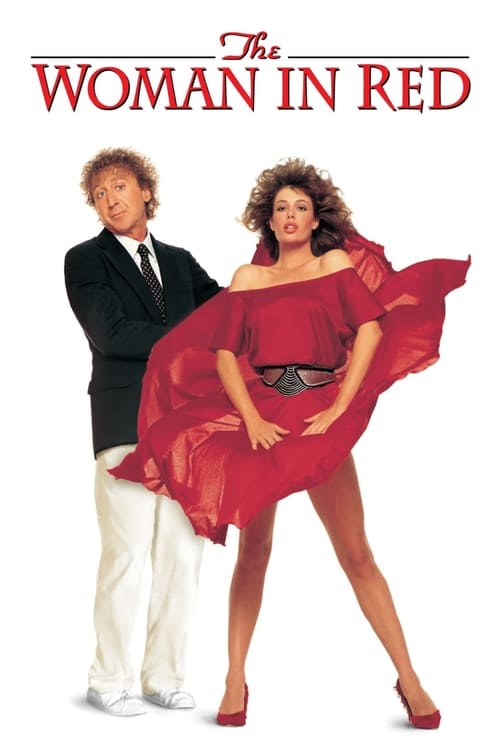
The Woman in Red
When a happily married family man, who would never consider an affair, meets a beautiful woman in red, he is totally infatuated and desperate to make her acquaintance. However, as he tries out various schemes to sneak out to meet her, he realizes that adultery is not quite as easy as it looks.
Despite its limited budget of $9.0M, The Woman in Red became a commercial success, earning $25.3M worldwide—a 181% return.
1 Oscar. 2 wins & 1 nomination


Plot Structure
Story beats plotted across runtime


Narrative Arc
Emotional journey through the story's key moments
Story Circle
Blueprint 15-beat structure
Arcplot Score Breakdown
Weighted: Precision (70%) + Arc (15%) + Theme (15%)
The Woman in Red (1984) exemplifies strategically placed narrative design, characteristic of Gene Wilder's storytelling approach. This structural analysis examines how the film's 15-point plot structure maps to proven narrative frameworks across 1 hour and 27 minutes. With an Arcplot score of 7.1, the film balances conventional beats with creative variation.
Characters
Cast & narrative archetypes

Theodore Pierce
Charlotte
Didi Pierce
Buddy
Joey
Main Cast & Characters
Theodore Pierce
Played by Gene Wilder
A happily married advertising executive who becomes obsessed with a beautiful woman in red, leading to comedic misadventures as he tries to meet her.
Charlotte
Played by Kelly LeBrock
The mysterious and alluring woman in the red dress who captivates Theodore, a fashion model with her own romantic complications.
Didi Pierce
Played by Judith Ivey
Theodore's loyal and patient wife who remains unaware of her husband's infatuation for most of the film.
Buddy
Played by Joseph Bologna
Theodore's womanizing best friend who encourages his pursuit of Charlotte and provides dubious romantic advice.
Joey
Played by Charles Grodin
Theodore's other friend and confidant who gets caught up in the schemes to help Theodore meet the woman in red.
Structural Analysis
The Status Quo at 1 minutes (1% through the runtime) establishes Ted Pierce lives a comfortable but predictable suburban life with his wife Didi and two children. He's an advertising executive settled into middle-aged routine.. Significantly, this early placement immediately immerses viewers in the story world.
The inciting incident occurs at 10 minutes when Ted sees Charlotte for the first time - the woman in red dress on the street. The iconic moment where her dress blows up (Marilyn Monroe-style) completely captivates him.. At 12% through the film, this Disruption aligns precisely with traditional story structure. This beat shifts the emotional landscape, launching the protagonist into the central conflict.
The First Threshold at 22 minutes marks the transition into Act II, occurring at 25% of the runtime. This illustrates the protagonist's commitment to Ted discovers Charlotte works as a model and actively decides to pursue meeting her, setting up a lunch encounter. He crosses from fantasy into action., moving from reaction to action.
At 44 minutes, the Midpoint arrives at 50% of the runtime—precisely centered, creating perfect narrative symmetry. Notably, this crucial beat Ted and Charlotte share an intimate moment/kiss. False victory - he's achieved his fantasy, but the stakes now dramatically raise as the affair becomes real rather than imagined., fundamentally raising what's at risk. The emotional intensity shifts, dividing the narrative into clear before-and-after phases.
The Collapse moment at 65 minutes (75% through) represents the emotional nadir. Here, Ted's deceptions unravel completely. Didi discovers or confronts the affair. The fantasy dies as Ted faces losing his family and everything he actually values., demonstrates the protagonist at their lowest point. This beat's placement in the final quarter sets up the climactic reversal.
The Second Threshold at 70 minutes initiates the final act resolution at 80% of the runtime. Ted realizes he must fight for his marriage. He synthesizes that real love requires commitment and choice, not just passion. He chooses Didi and his family., demonstrating the transformation achieved throughout the journey.
Emotional Journey
The Woman in Red's emotional architecture traces a deliberate progression across 15 carefully calibrated beats.
Narrative Framework
This structural analysis employs proven narrative structure principles that track dramatic progression. By mapping The Woman in Red against these established plot points, we can identify how Gene Wilder utilizes or subverts traditional narrative conventions. The plot point approach reveals not only adherence to structural principles but also creative choices that distinguish The Woman in Red within the comedy genre.
Gene Wilder's Structural Approach
Among the 3 Gene Wilder films analyzed on Arcplot, the average structural score is 7.3, reflecting strong command of classical structure. The Woman in Red takes a more unconventional approach compared to the director's typical style. For comparative analysis, explore the complete Gene Wilder filmography.
Comparative Analysis
Additional comedy films include The Bad Guys, Ella Enchanted and The Evening Star. For more Gene Wilder analyses, see The Adventure of Sherlock Holmes' Smarter Brother, Haunted Honeymoon.
Plot Points by Act
Act I
SetupStatus Quo
Ted Pierce lives a comfortable but predictable suburban life with his wife Didi and two children. He's an advertising executive settled into middle-aged routine.
Theme
Ted's friend Joey makes a comment about marriage, fidelity, and the temptations that test commitment, foreshadowing Ted's upcoming crisis.
Worldbuilding
Establishment of Ted's world: his marriage, his friends (Joey, Buddy, Michael), his job, and the comfortable but passionless routine of his life.
Disruption
Ted sees Charlotte for the first time - the woman in red dress on the street. The iconic moment where her dress blows up (Marilyn Monroe-style) completely captivates him.
Resistance
Ted becomes obsessed with finding the woman in red. He debates internally whether to pursue this fantasy. His friends both encourage and caution him.
Act II
ConfrontationFirst Threshold
Ted discovers Charlotte works as a model and actively decides to pursue meeting her, setting up a lunch encounter. He crosses from fantasy into action.
Mirror World
Ted's first real conversation with Charlotte. She represents everything his marriage isn't - excitement, passion, spontaneity - but also reflects what he risks losing.
Premise
The "fun and games" of Ted's pursuit: increasingly elaborate schemes to see Charlotte, comic near-misses with his wife, growing attraction, and escalating lies and complications.
Midpoint
Ted and Charlotte share an intimate moment/kiss. False victory - he's achieved his fantasy, but the stakes now dramatically raise as the affair becomes real rather than imagined.
Opposition
Everything tightens: Didi becomes suspicious, Ted's lies multiply and catch up with him, work suffers, friends warn him, and Charlotte expects more commitment.
Collapse
Ted's deceptions unravel completely. Didi discovers or confronts the affair. The fantasy dies as Ted faces losing his family and everything he actually values.
Crisis
Ted sits with the wreckage of his choices. Dark night where he recognizes his marriage and family matter more than the fantasy. He processes what he's about to lose.
Act III
ResolutionSecond Threshold
Ted realizes he must fight for his marriage. He synthesizes that real love requires commitment and choice, not just passion. He chooses Didi and his family.
Synthesis
Ted works to win back Didi's trust and repair his marriage. Final confrontations, explanations, and demonstrations that he's learned what matters. Resolution with Charlotte.
Transformation
Final image mirrors the opening but shows growth. Ted with his family, but now truly present and appreciative rather than taking them for granted. Temptation passes by unremarked.