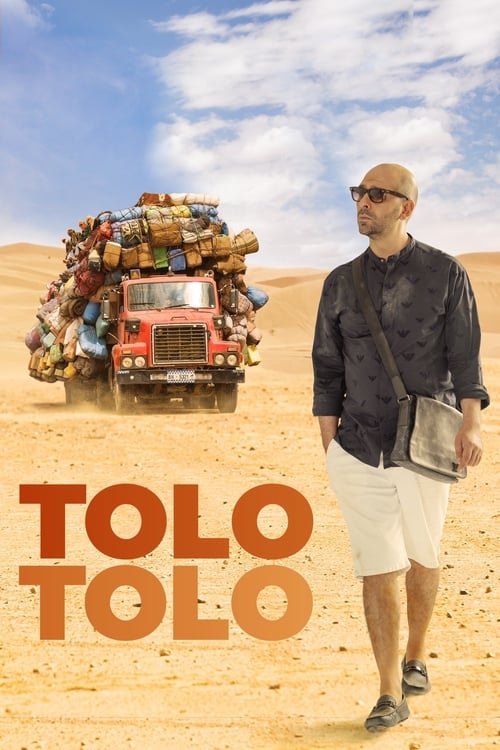
Tolo Tolo
Checco is a young Apulian entrepreneur dreamer who has opened a sushi restaurant in his Apulia. However, after one month, the restaurant went bankrupt and he chose to emigrate to Africa to escape from debt. Here he adapts to being a waiter in a resort in Kenya, but at the outbreak of a civil war he decides to embark on a stowaway trip on a boat for migrants to Europe and chooses to do it with his African friends. However, he would not like to return to Italy, but rather to go to Liechtenstein where banking secrecy is in force and there is a lower tax burden than in Italy.
Despite a moderate budget of $20.0M, Tolo Tolo became a commercial success, earning $52.2M worldwide—a 161% return.
Plot Structure
Story beats plotted across runtime


Narrative Arc
Emotional journey through the story's key moments
Story Circle
Blueprint 15-beat structure
Arcplot Score Breakdown
Weighted: Precision (70%) + Arc (15%) + Theme (15%)
Tolo Tolo (2020) demonstrates precise dramatic framework, characteristic of Checco Zalone's storytelling approach. This structural analysis examines how the film's 15-point plot structure maps to proven narrative frameworks across 1 hour and 34 minutes. With an Arcplot score of 6.8, the film balances conventional beats with creative variation.
Characters
Cast & narrative archetypes

Checco
Idjaba
Oumar
Suora Maddalena
Main Cast & Characters
Checco
Played by Checco Zalone
An Italian waiter fleeing debt who travels to Africa and joins migrants returning to Europe, learning empathy through hardship.
Idjaba
Played by Manda Touré
A kind African woman who helps Checco during his journey and becomes his companion.
Oumar
Played by Souleymane Sylla
A fellow migrant traveling with Checco, providing friendship and wisdom during the dangerous journey.
Suora Maddalena
Played by Arianna Scommegna
An Italian nun working in Africa who encounters Checco during his time there.
Structural Analysis
The Status Quo at 1 minutes (1% through the runtime) establishes Checco is shown as a failed entrepreneur in Italy, having lost his sushi restaurant business and drowning in debt, representing his narrow worldview and self-centered existence.. Significantly, this early placement immediately immerses viewers in the story world.
The inciting incident occurs at 11 minutes when War breaks out in the African country where Checco has been hiding, forcing him to flee and destroying his comfortable exile. He must now find a way back to Italy.. At 12% through the film, this Disruption aligns precisely with traditional story structure. This beat shifts the emotional landscape, launching the protagonist into the central conflict.
The First Threshold at 24 minutes marks the transition into Act II, occurring at 25% of the runtime. This demonstrates the protagonist's commitment to Checco commits to traveling with the migrants across Africa toward the Mediterranean, crossing into the dangerous journey that refugees take. He chooses survival over pride., moving from reaction to action.
At 47 minutes, the Midpoint arrives at 50% of the runtime—precisely centered, creating perfect narrative symmetry. The analysis reveals that this crucial beat The group faces a major setback in Libya, confronting the brutal reality of migrant detention and exploitation. Checco's false sense of being different from "real migrants" is shattered., fundamentally raising what's at risk. The emotional intensity shifts, dividing the narrative into clear before-and-after phases.
The Collapse moment at 71 minutes (75% through) represents the emotional nadir. Here, During the perilous Mediterranean crossing, tragedy strikes the group. Checco faces the real possibility of death and witnesses the human cost of migration he had previously ignored., reveals the protagonist at their lowest point. This beat's placement in the final quarter sets up the climactic reversal.
The Second Threshold at 75 minutes initiates the final act resolution at 80% of the runtime. Checco realizes that he and the migrants share the same fundamental human desires - safety, dignity, and a chance at life. He chooses to stand with them rather than separate himself., demonstrating the transformation achieved throughout the journey.
Emotional Journey
Tolo Tolo's emotional architecture traces a deliberate progression across 15 carefully calibrated beats.
Narrative Framework
This structural analysis employs a 15-point narrative structure framework that maps key story moments. By mapping Tolo Tolo against these established plot points, we can identify how Checco Zalone utilizes or subverts traditional narrative conventions. The plot point approach reveals not only adherence to structural principles but also creative choices that distinguish Tolo Tolo within the comedy genre.
Comparative Analysis
Additional comedy films include The Bad Guys, Ella Enchanted and The Evening Star.
Plot Points by Act
Act I
SetupStatus Quo
Checco is shown as a failed entrepreneur in Italy, having lost his sushi restaurant business and drowning in debt, representing his narrow worldview and self-centered existence.
Theme
A character remarks on how Italians once emigrated seeking better lives, subtly stating the theme about migration being a universal human experience regardless of origin.
Worldbuilding
We see Checco's failed business in Italy, his mounting debts, his xenophobic attitudes, and his desperate decision to flee to Africa to escape creditors, establishing him as a deeply flawed protagonist.
Disruption
War breaks out in the African country where Checco has been hiding, forcing him to flee and destroying his comfortable exile. He must now find a way back to Italy.
Resistance
Checco debates his options and reluctantly joins a group of African migrants heading toward Europe. He meets Oumar, a young boy, and Idjaba, who will guide him through this journey he never wanted.
Act II
ConfrontationFirst Threshold
Checco commits to traveling with the migrants across Africa toward the Mediterranean, crossing into the dangerous journey that refugees take. He chooses survival over pride.
Mirror World
Checco begins bonding with young Oumar, who represents innocence and hope. Through this relationship, Checco will ultimately learn the humanity he's been denying in migrants.
Premise
The satirical journey unfolds as Checco experiences the migrant route firsthand - crossing deserts, facing smugglers, and enduring hardships he previously dismissed as someone else's problem.
Midpoint
The group faces a major setback in Libya, confronting the brutal reality of migrant detention and exploitation. Checco's false sense of being different from "real migrants" is shattered.
Opposition
The journey becomes increasingly dangerous. The group faces threats from traffickers, harsh conditions, and the Mediterranean crossing. Checco's survival depends entirely on the migrants he once looked down upon.
Collapse
During the perilous Mediterranean crossing, tragedy strikes the group. Checco faces the real possibility of death and witnesses the human cost of migration he had previously ignored.
Crisis
In the aftermath of the crossing, Checco must confront who he has been and what he has witnessed. His old prejudices seem hollow against the suffering and humanity he's experienced.
Act III
ResolutionSecond Threshold
Checco realizes that he and the migrants share the same fundamental human desires - safety, dignity, and a chance at life. He chooses to stand with them rather than separate himself.
Synthesis
Checco arrives in Italy transformed. The satirical finale shows him navigating his return with a completely changed perspective, confronting Italian society's hypocrisy about immigration.
Transformation
Checco's final image shows him embracing his connection to Oumar and the migrant community. The former xenophobe has become an advocate, his journey having fundamentally changed his worldview.