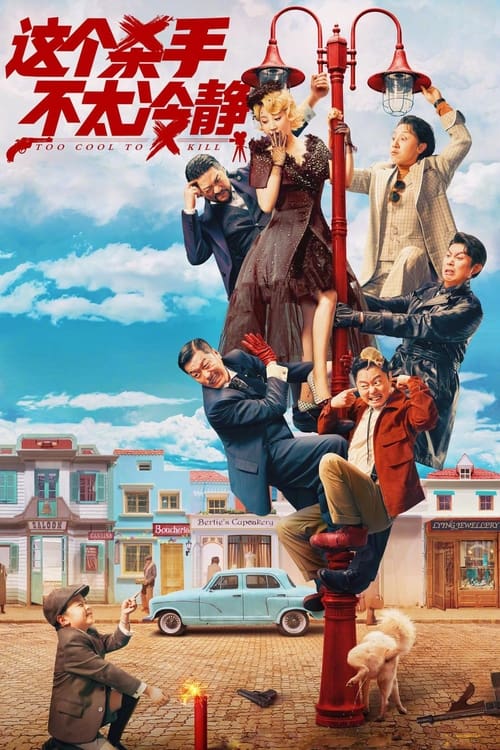
Too Cool to Kill
The film earned $393.0M at the global box office.
Plot Structure
Story beats plotted across runtime


Narrative Arc
Emotional journey through the story's key moments
Story Circle
Blueprint 15-beat structure
Structural Analysis
The Status Quo at 1 minutes (1% through the runtime) establishes Wei Chenggong is a struggling, delusional actor performing in terrible low-budget productions, dreaming of stardom while living in mediocrity.. Of particular interest, this early placement immediately immerses viewers in the story world.
The inciting incident occurs at 12 minutes when Wei is offered what he believes is his big break - a role as an assassin in a major production. Unknown to him, a real crime boss has hired him thinking he's booking a genuine hitman.. At 10% through the film, this Disruption aligns precisely with traditional story structure. This beat shifts the emotional landscape, launching the protagonist into the central conflict.
The First Threshold at 25 minutes marks the transition into Act II, occurring at 21% of the runtime. This reveals the protagonist's commitment to Wei fully commits to the 'role,' meeting with the crime boss and accepting the 'job.' He crosses into a dangerous new world, believing he's simply giving the performance of his life., moving from reaction to action.
At 50 minutes, the Midpoint arrives at 42% of the runtime—significantly early, compressing the first half. Notably, this crucial beat Wei achieves a major 'scene' successfully (false victory), impressing the criminals and gaining their trust. He believes he's finally becoming a star, but the stakes are now life-or-death real., fundamentally raising what's at risk. The emotional intensity shifts, dividing the narrative into clear before-and-after phases.
The Collapse moment at 75 minutes (63% through) represents the emotional nadir. Here, Wei discovers the truth - it was never a movie, people have died because of him, and he's in mortal danger. His dream of stardom dies, replaced by the nightmare of his actual situation., illustrates the protagonist at their lowest point. This beat's placement in the final quarter sets up the climactic reversal.
The Second Threshold at 80 minutes initiates the final act resolution at 67% of the runtime. Wei realizes that his acting skills - his ability to improvise, perform, and commit fully - are actually valuable tools. He chooses to use his talents authentically to save those he endangered., demonstrating the transformation achieved throughout the journey.
Emotional Journey
Too Cool to Kill's emotional architecture traces a deliberate progression across 15 carefully calibrated beats.
Narrative Framework
This structural analysis employs systematic plot point analysis that identifies crucial turning points. By mapping Too Cool to Kill against these established plot points, we can identify how the filmmaker utilizes or subverts traditional narrative conventions. The plot point approach reveals not only adherence to structural principles but also creative choices that distinguish Too Cool to Kill within its genre.
Plot Points by Act
Act I
SetupStatus Quo
Wei Chenggong is a struggling, delusional actor performing in terrible low-budget productions, dreaming of stardom while living in mediocrity.
Theme
A character remarks that 'sometimes the line between performance and reality is thinner than you think' - foreshadowing the core theme about authenticity versus pretense.
Worldbuilding
Introduction to Wei's world of failed auditions, his loyal agent, his aspirations for fame, and the absurd action movie sets he works on. Establishes his desperation and self-delusion.
Disruption
Wei is offered what he believes is his big break - a role as an assassin in a major production. Unknown to him, a real crime boss has hired him thinking he's booking a genuine hitman.
Resistance
Wei prepares for his 'role' with intense method acting, studying assassin behavior. His agent and colleagues are confused but supportive. He doesn't realize he's being set up for a real hit.
Act II
ConfrontationFirst Threshold
Wei fully commits to the 'role,' meeting with the crime boss and accepting the 'job.' He crosses into a dangerous new world, believing he's simply giving the performance of his life.
Mirror World
Wei encounters a woman (potential love interest or femme fatale) who sees through his act but is charmed by his genuine nature beneath the performance - representing authentic connection.
Premise
The fun and games of Wei navigating the criminal underworld while thinking it's all an elaborate film shoot. Comic misunderstandings, accidental successes, and escalating stakes as he 'performs' increasingly dangerous tasks.
Midpoint
Wei achieves a major 'scene' successfully (false victory), impressing the criminals and gaining their trust. He believes he's finally becoming a star, but the stakes are now life-or-death real.
Opposition
The criminal organization demands more from Wei. Rivals close in, real danger escalates, and cracks appear in Wei's delusion. People around him get hurt. The comedy darkens as consequences become real.
Collapse
Wei discovers the truth - it was never a movie, people have died because of him, and he's in mortal danger. His dream of stardom dies, replaced by the nightmare of his actual situation.
Crisis
Wei processes his devastation and guilt. His agent and love interest are in danger because of him. He must decide who he really is - a delusional actor or someone capable of genuine heroism.
Act III
ResolutionSecond Threshold
Wei realizes that his acting skills - his ability to improvise, perform, and commit fully - are actually valuable tools. He chooses to use his talents authentically to save those he endangered.
Synthesis
The finale combines action and comedy as Wei uses performance and genuine courage to outmaneuver the criminals, save his friends, and bring down the organization. He's no longer pretending - he's truly heroic.
Transformation
Wei performs again, but this time in a humble, authentic production - content with who he is rather than the star he imagined. He's found genuine connection and purpose beyond fame.