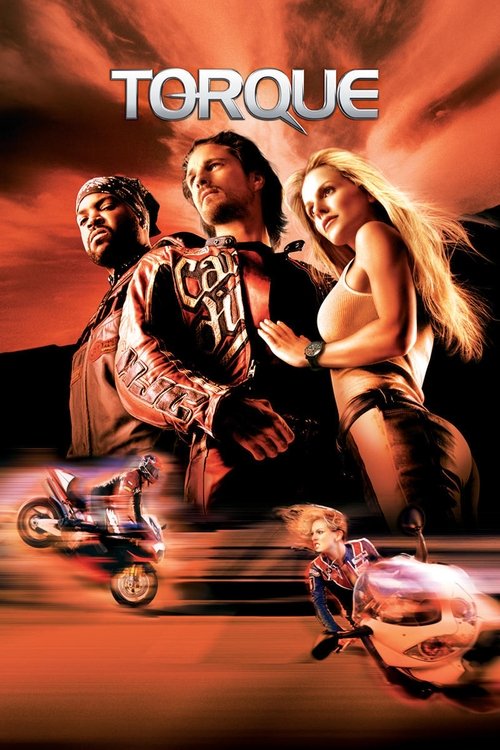
Torque
Biker Cary Ford is framed by an old rival and biker gang leader for the murder of another gang member who happens to be the brother of Trey, leader of the most feared biker gang in the country. Ford is now on the run trying to clear his name from the murder with Trey and his gang looking for his blood.
Working with a moderate budget of $40.0M, the film achieved a respectable showing with $46.5M in global revenue (+16% profit margin).


Plot Structure
Story beats plotted across runtime


Narrative Arc
Emotional journey through the story's key moments
Story Circle
Blueprint 15-beat structure
Arcplot Score Breakdown
Weighted: Precision (70%) + Arc (15%) + Theme (15%)
Torque (2004) demonstrates precise narrative design, characteristic of Joseph Kahn's storytelling approach. This structural analysis examines how the film's 15-point plot structure maps to proven narrative frameworks across 1 hour and 24 minutes. With an Arcplot score of 7.6, the film showcases strong structural fundamentals.
Characters
Cast & narrative archetypes

Cary Ford
Shane
Henry James
Trey Wallace
China
Dalton
Val
Main Cast & Characters
Cary Ford
Played by Martin Henderson
A biker on the run who returns to reconcile with his girlfriend and clear his name after being framed for murder.
Shane
Played by Monet Mazur
Cary's loyal girlfriend who runs a custom motorcycle shop and stands by him despite his troubled past.
Henry James
Played by Matt Schulze
The ruthless leader of the Hellions biker gang seeking revenge for his brother's death.
Trey Wallace
Played by Ice Cube
Leader of the Reapers, a rival gang leader who initially suspects Cary but becomes an ally.
China
Played by Jaime Pressly
Trey's girlfriend and fierce biker who harbors suspicions about Cary and rides with intense skill.
Dalton
Played by Jay Hernandez
Cary's close friend and loyal riding partner who helps him evade enemies and clear his name.
Val
Played by Will Yun Lee
Cary's brother and mechanic who provides technical support and comic relief to the crew.
Structural Analysis
The Status Quo at 1 minutes (1% through the runtime) establishes Cary Ford returns to California on his motorcycle after months away, riding through desert highways. Establishes him as a lone rider returning to face unfinished business.. Of particular interest, this early placement immediately immerses viewers in the story world.
The inciting incident occurs at 9 minutes when Henry James and his gang arrive at the biker bar, confronting Ford. Henry reveals he framed Ford and killed Trey's brother Junior, and now plans to kill Ford. The peaceful return explodes into immediate danger.. At 11% through the film, this Disruption aligns precisely with traditional story structure. This beat shifts the emotional landscape, launching the protagonist into the central conflict.
The First Threshold at 21 minutes marks the transition into Act II, occurring at 25% of the runtime. This illustrates the protagonist's commitment to Ford makes the active choice to stop running and instead find evidence to prove Henry framed him and killed Junior. He commits to staying and confronting his enemies rather than fleeing again., moving from reaction to action.
At 41 minutes, the Midpoint arrives at 49% of the runtime—precisely centered, creating perfect narrative symmetry. Structural examination shows that this crucial beat False defeat: FBI agent McPherson reveals they've been tracking the drug shipment and now consider Ford the prime suspect. Meanwhile, Henry frames Ford for another crime, turning both law enforcement and Trey's gang fully against him. Stakes raise dramatically., fundamentally raising what's at risk. The emotional intensity shifts, dividing the narrative into clear before-and-after phases.
The Collapse moment at 62 minutes (74% through) represents the emotional nadir. Here, Henry kidnaps Shane and threatens to kill her. Ford's worst fear realized - his past has endangered the woman he loves. He faces losing everything: his freedom, his life, and Shane. The metaphorical death of his hope for redemption., shows the protagonist at their lowest point. This beat's placement in the final quarter sets up the climactic reversal.
The Second Threshold at 66 minutes initiates the final act resolution at 79% of the runtime. Ford realizes he must reveal the truth to Trey about Henry killing Junior. By synthesizing his riding skills with the evidence he's gathered and the truth, he can defeat Henry and save Shane. He gains clarity and new resolve., demonstrating the transformation achieved throughout the journey.
Emotional Journey
Torque's emotional architecture traces a deliberate progression across 15 carefully calibrated beats.
Narrative Framework
This structural analysis employs proven narrative structure principles that track dramatic progression. By mapping Torque against these established plot points, we can identify how Joseph Kahn utilizes or subverts traditional narrative conventions. The plot point approach reveals not only adherence to structural principles but also creative choices that distinguish Torque within the action genre.
Comparative Analysis
Additional action films include The Bad Guys, Puss in Boots and Venom: The Last Dance.
Plot Points by Act
Act I
SetupStatus Quo
Cary Ford returns to California on his motorcycle after months away, riding through desert highways. Establishes him as a lone rider returning to face unfinished business.
Theme
Shane (Ford's friend) tells him "You can't run forever, man. Eventually you gotta face what you did." This encapsulates the film's core theme about confronting your past.
Worldbuilding
Ford reunites with his old crew and ex-girlfriend Shane. We learn he fled town six months ago after being framed for drug running by gang leader Henry James. Biker gang politics and rivalries established, including tension with Trey Wallace's crew who believe Ford killed Trey's brother.
Disruption
Henry James and his gang arrive at the biker bar, confronting Ford. Henry reveals he framed Ford and killed Trey's brother Junior, and now plans to kill Ford. The peaceful return explodes into immediate danger.
Resistance
Ford debates whether to run again or stay and fight. Chase sequences through city streets as both Henry's gang and Trey's crew pursue him. Ford discovers Henry hid drugs in his motorcycle months ago. Shane urges him to stop running and clear his name.
Act II
ConfrontationFirst Threshold
Ford makes the active choice to stop running and instead find evidence to prove Henry framed him and killed Junior. He commits to staying and confronting his enemies rather than fleeing again.
Mirror World
Ford reconnects romantically with Shane, who represents the life and love he abandoned. Their relationship subplot carries the theme - she challenges him to be the man who stays and fights rather than runs.
Premise
Over-the-top motorcycle action sequences deliver the premise promise. Ford navigates between rival gangs, performs impossible bike stunts, and searches for evidence of Henry's crimes. Contains the famous motorcycle-versus-motorcycle combat and freeway chase sequences.
Midpoint
False defeat: FBI agent McPherson reveals they've been tracking the drug shipment and now consider Ford the prime suspect. Meanwhile, Henry frames Ford for another crime, turning both law enforcement and Trey's gang fully against him. Stakes raise dramatically.
Opposition
Pressure intensifies from all sides. Trey's gang closes in believing Ford killed Junior. FBI pursues Ford. Henry's crew hunts him. Ford's attempts to find evidence keep failing. His relationship with Shane strains as danger escalates.
Collapse
Henry kidnaps Shane and threatens to kill her. Ford's worst fear realized - his past has endangered the woman he loves. He faces losing everything: his freedom, his life, and Shane. The metaphorical death of his hope for redemption.
Crisis
Ford's dark moment of processing. He must decide whether to sacrifice himself for Shane or find another way. Brief moment of despair before finding resolve to confront Henry and expose the truth to Trey.
Act III
ResolutionSecond Threshold
Ford realizes he must reveal the truth to Trey about Henry killing Junior. By synthesizing his riding skills with the evidence he's gathered and the truth, he can defeat Henry and save Shane. He gains clarity and new resolve.
Synthesis
Final confrontation at the train yards. Ford exposes Henry's crimes to Trey, turning the gangs against Henry. Massive motorcycle battle ensues. Ford defeats Henry in combat. FBI arrives and arrests Henry. Ford clears his name with evidence, and Trey accepts the truth about his brother's real killer.
Transformation
Ford rides off with Shane on his bike, no longer running from his past but riding toward a future. Mirrors the opening image of the lone rider, but now he's transformed - accompanied by love, cleared of crimes, and having faced his demons rather than fled them.