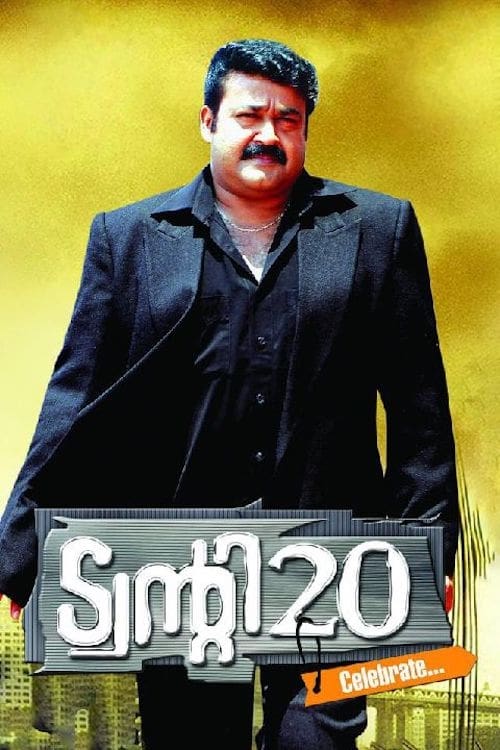
Twenty 20
Advocate Ramesh saves Devan from a murder case. Later, he realize Devan was the actual culprit. Ramesh tries for a payback, unaware of Devan's real intentions and the reason for the murder.
The film earned $4.8M at the global box office.

Plot Structure
Story beats plotted across runtime


Narrative Arc
Emotional journey through the story's key moments
Story Circle
Blueprint 15-beat structure
Arcplot Score Breakdown
Weighted: Precision (70%) + Arc (15%) + Theme (15%)
Twenty 20 (2008) exemplifies deliberately positioned story structure, characteristic of Joshiy's storytelling approach. This structural analysis examines how the film's 11-point plot structure maps to proven narrative frameworks across 2 hours and 45 minutes. With an Arcplot score of 6.7, the film balances conventional beats with creative variation.
Structural Analysis
The Status Quo at 2 minutes (1% through the runtime) establishes The powerful Devaraja Prathapa Varma family is introduced in their position of influence and authority, establishing the world of business empires and family dynasties in conflict.. Significantly, this early placement immediately immerses viewers in the story world.
The inciting incident occurs at 20 minutes when A major business deal goes wrong or a violent incident occurs between the families, escalating the rivalry from cold war to active conflict and threatening the fragile balance of power.. At 12% through the film, this Disruption aligns precisely with traditional story structure. This beat shifts the emotional landscape, launching the protagonist into the central conflict.
The First Threshold at 40 minutes marks the transition into Act II, occurring at 25% of the runtime. This shows the protagonist's commitment to The protagonist family makes the active decision to engage in the conflict, crossing the point of no return. This commitment to confrontation launches the full-scale rivalry into the open., moving from reaction to action.
The Collapse moment at 121 minutes (74% through) represents the emotional nadir. Here, A beloved character dies or a catastrophic betrayal occurs, bringing the "whiff of death" and forcing the protagonist to confront the true cost of the rivalry. Everything seems lost., reveals the protagonist at their lowest point. This beat's placement in the final quarter sets up the climactic reversal.
The Synthesis at 131 minutes initiates the final act resolution at 79% of the runtime. The final confrontation unfolds as the protagonist family executes their plan. Action sequences culminate in a climactic battle where loyalty, sacrifice, and honor determine the outcome. Resolution is achieved., demonstrating the transformation achieved throughout the journey.
Emotional Journey
Twenty 20's emotional architecture traces a deliberate progression across 11 carefully calibrated beats.
Narrative Framework
This structural analysis employs structural analysis methodology used to understand storytelling architecture. By mapping Twenty 20 against these established plot points, we can identify how Joshiy utilizes or subverts traditional narrative conventions. The plot point approach reveals not only adherence to structural principles but also creative choices that distinguish Twenty 20 within the action genre.
Comparative Analysis
Additional action films include The Ministry of Ungentlemanly Warfare, The Bad Guys and Lake Placid.
Plot Points by Act
Act I
SetupStatus Quo
The powerful Devaraja Prathapa Varma family is introduced in their position of influence and authority, establishing the world of business empires and family dynasties in conflict.
Theme
A character states that loyalty to family and honor are worth more than any business empire, establishing the thematic conflict between personal loyalty and ambition.
Worldbuilding
Introduction of the rival families, their business interests, key players including Bharatchandran, Punyalan, Bobby, and their associates. The complex web of relationships and long-standing rivalry is established.
Disruption
A major business deal goes wrong or a violent incident occurs between the families, escalating the rivalry from cold war to active conflict and threatening the fragile balance of power.
Resistance
Key characters debate their response to the escalating conflict. Advisors and family elders counsel caution, while younger members push for action. Alliances are tested and strategies are formed.
Act II
ConfrontationFirst Threshold
The protagonist family makes the active decision to engage in the conflict, crossing the point of no return. This commitment to confrontation launches the full-scale rivalry into the open.
Premise
The rivalry plays out through business maneuvers, confrontations, and action sequences. Each family tries to outmaneuver the other, delivering the ensemble action-drama the audience expects.
Opposition
The opposing family retaliates with increasing violence. Internal conflicts emerge within the protagonist family. The price of the rivalry becomes personal as relationships are strained and lives endangered.
Collapse
A beloved character dies or a catastrophic betrayal occurs, bringing the "whiff of death" and forcing the protagonist to confront the true cost of the rivalry. Everything seems lost.
Crisis
Characters mourn their losses and question whether the conflict is worth the sacrifice. The protagonist reflects on what truly matters: honor, family, or ending the cycle of violence.
Act III
ResolutionSynthesis
The final confrontation unfolds as the protagonist family executes their plan. Action sequences culminate in a climactic battle where loyalty, sacrifice, and honor determine the outcome. Resolution is achieved.