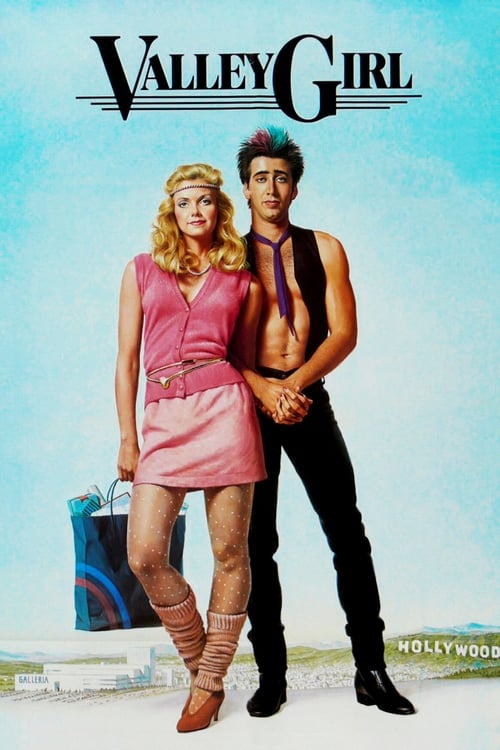
Valley Girl
Julie, a girl from the valley, meets Randy, a punk from the city. They are from different worlds and find love. Somehow they need to stay together in spite of her trendy, shallow friends.
Despite its minimal budget of $350K, Valley Girl became a runaway success, earning $17.3M worldwide—a remarkable 4855% return. The film's compelling narrative resonated with audiences, demonstrating that strong storytelling can transcend budget limitations.


Plot Structure
Story beats plotted across runtime


Narrative Arc
Emotional journey through the story's key moments
Story Circle
Blueprint 15-beat structure
Arcplot Score Breakdown
Weighted: Precision (70%) + Arc (15%) + Theme (15%)
Valley Girl (1983) exhibits carefully calibrated plot construction, characteristic of Martha Coolidge's storytelling approach. This structural analysis examines how the film's 15-point plot structure maps to proven narrative frameworks across 1 hour and 39 minutes. With an Arcplot score of 7.1, the film balances conventional beats with creative variation.
Structural Analysis
The Status Quo at 1 minutes (1% through the runtime) establishes Julie Richman lies on her bed talking on the phone with her Valley girl friends, gossiping about boys and parties. The scene establishes her comfortable but superficial world in the San Fernando Valley, surrounded by mall culture and preppy boyfriends.. Of particular interest, this early placement immediately immerses viewers in the story world.
The inciting incident occurs at 11 minutes when Julie and her friends venture to a party in Hollywood, stepping outside their Valley comfort zone. At this party, Julie meets Randy, a charismatic punk rocker who is the complete opposite of her usual crowd. Immediate attraction disrupts her status quo.. At 12% through the film, this Disruption aligns precisely with traditional story structure. This beat shifts the emotional landscape, launching the protagonist into the central conflict.
The First Threshold at 24 minutes marks the transition into Act II, occurring at 24% of the runtime. This shows the protagonist's commitment to Julie makes the active choice to break up with Tommy and pursue a relationship with Randy. She crosses the cultural divide, choosing to explore this new world and new love despite knowing her friends will disapprove., moving from reaction to action.
At 49 minutes, the Midpoint arrives at 49% of the runtime—precisely centered, creating perfect narrative symmetry. Notably, this crucial beat False defeat: Julie's Valley friends stage an intervention, putting intense pressure on her to dump Randy and return to their world. They mock Randy, call him a "creep," and make Julie feel ashamed. The stakes are raised - she must choose between love and social acceptance., fundamentally raising what's at risk. The emotional intensity shifts, dividing the narrative into clear before-and-after phases.
The Collapse moment at 70 minutes (71% through) represents the emotional nadir. Here, Julie caves to peer pressure and breaks up with Randy, choosing conformity over authenticity. The death of the relationship and Julie's brief moment of courage. Randy is heartbroken, and Julie immediately returns to Tommy and her Valley friends, though she's clearly miserable., indicates the protagonist at their lowest point. This beat's placement in the final quarter sets up the climactic reversal.
The Second Threshold at 78 minutes initiates the final act resolution at 79% of the runtime. Julie has a moment of clarity and synthesis: she realizes that Randy represents genuine love and authenticity, while Tommy and her Valley life represent empty conformity. She decides she must win Randy back and be true to her heart, regardless of what her friends think., demonstrating the transformation achieved throughout the journey.
Emotional Journey
Valley Girl's emotional architecture traces a deliberate progression across 15 carefully calibrated beats.
Narrative Framework
This structural analysis employs structural analysis methodology used to understand storytelling architecture. By mapping Valley Girl against these established plot points, we can identify how Martha Coolidge utilizes or subverts traditional narrative conventions. The plot point approach reveals not only adherence to structural principles but also creative choices that distinguish Valley Girl within the comedy genre.
Martha Coolidge's Structural Approach
Among the 6 Martha Coolidge films analyzed on Arcplot, the average structural score is 7.1, reflecting strong command of classical structure. Valley Girl takes a more unconventional approach compared to the director's typical style. For comparative analysis, explore the complete Martha Coolidge filmography.
Comparative Analysis
Additional comedy films include The Bad Guys, Ella Enchanted and The Evening Star. For more Martha Coolidge analyses, see Three Wishes, Material Girls and Angie.
Plot Points by Act
Act I
SetupStatus Quo
Julie Richman lies on her bed talking on the phone with her Valley girl friends, gossiping about boys and parties. The scene establishes her comfortable but superficial world in the San Fernando Valley, surrounded by mall culture and preppy boyfriends.
Theme
Julie's friend or parent makes a comment about "being true to yourself" or questions whether Julie is really happy with Tommy and her Valley lifestyle. The thematic question is planted: authenticity versus social conformity.
Worldbuilding
Establishment of Julie's Valley girl world: shopping at the mall with friends Loryn and Suzi, dating preppy boyfriend Tommy, attending Valley parties, and living a comfortable suburban teenage life. Her world is bright, colorful, and superficial.
Disruption
Julie and her friends venture to a party in Hollywood, stepping outside their Valley comfort zone. At this party, Julie meets Randy, a charismatic punk rocker who is the complete opposite of her usual crowd. Immediate attraction disrupts her status quo.
Resistance
Julie debates whether to pursue her attraction to Randy despite her friends' disapproval and Tommy's jealousy. Randy pursues her, showing up at her house and the places she hangs out. Julie is torn between two worlds and resists leaving her comfortable Valley life.
Act II
ConfrontationFirst Threshold
Julie makes the active choice to break up with Tommy and pursue a relationship with Randy. She crosses the cultural divide, choosing to explore this new world and new love despite knowing her friends will disapprove.
Mirror World
Randy introduces Julie to his Hollywood punk scene - clubs, concerts, and friends who are authentic and unpretentious. This mirror world represents everything the Valley is not: real, raw, and genuine. Randy becomes the embodiment of the theme: being true to yourself.
Premise
The "fun and games" of Julie and Randy's romance. They explore Hollywood together, go to punk clubs, share intimate moments, and fall in love. Julie experiences the freedom and authenticity she's been missing, while Randy shows her a world beyond shopping malls and surface-level relationships.
Midpoint
False defeat: Julie's Valley friends stage an intervention, putting intense pressure on her to dump Randy and return to their world. They mock Randy, call him a "creep," and make Julie feel ashamed. The stakes are raised - she must choose between love and social acceptance.
Opposition
The pressure intensifies. Julie's friends constantly badger her about Randy. Tommy tries to win her back. Julie's confidence wavers as she feels the full weight of social ostracism. Randy senses her pulling away, creating tension in their relationship.
Collapse
Julie caves to peer pressure and breaks up with Randy, choosing conformity over authenticity. The death of the relationship and Julie's brief moment of courage. Randy is heartbroken, and Julie immediately returns to Tommy and her Valley friends, though she's clearly miserable.
Crisis
Julie goes through the motions of her old life - back with Tommy, hanging out with her friends - but she's hollow and unhappy. She realizes she's made a terrible mistake. The crisis is internal: she must find the courage to be true to herself despite social consequences.
Act III
ResolutionSecond Threshold
Julie has a moment of clarity and synthesis: she realizes that Randy represents genuine love and authenticity, while Tommy and her Valley life represent empty conformity. She decides she must win Randy back and be true to her heart, regardless of what her friends think.
Synthesis
The finale culminates at the prom. Julie attends with Tommy but is miserable. Randy, encouraged by his friends, crashes the prom to win Julie back. In front of everyone - her friends, Tommy, the entire Valley social scene - Julie must make her final choice. She chooses Randy, running out of the prom with him.
Transformation
Julie and Randy drive off together, laughing and happy. Julie has transformed from a conformist Valley girl into someone who chooses authenticity and genuine love over social acceptance. The closing image mirrors the opening but shows her liberated and true to herself.