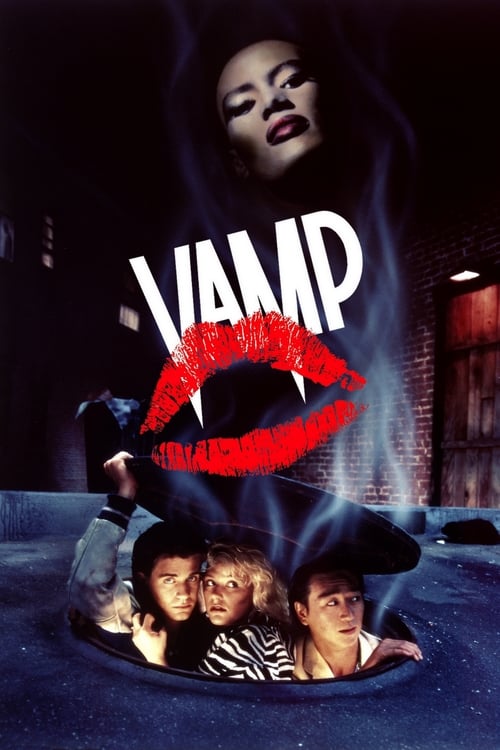
Vamp
Two fraternity pledges go to a sleazy bar in search of a stripper for their college friends, unaware it is occupied by vampires.
Working with a limited budget of $3.3M, the film achieved a modest success with $4.9M in global revenue (+50% profit margin).


Plot Structure
Story beats plotted across runtime


Narrative Arc
Emotional journey through the story's key moments
Story Circle
Blueprint 15-beat structure
Arcplot Score Breakdown
Weighted: Precision (70%) + Arc (15%) + Theme (15%)
Vamp (1986) exemplifies precise narrative design, characteristic of Richard Wenk's storytelling approach. This structural analysis examines how the film's 15-point plot structure maps to proven narrative frameworks across 1 hour and 33 minutes. With an Arcplot score of 7.0, the film balances conventional beats with creative variation.
Structural Analysis
The Status Quo at 1 minutes (1% through the runtime) establishes Keith and AJ are shown as college buddies performing a staged kidnapping prank, establishing their close friendship and willingness to take risks for fraternity acceptance.. Significantly, this early placement immediately immerses viewers in the story world.
The inciting incident occurs at 11 minutes when Keith and AJ accept the fraternity's challenge to bring back a stripper from the city, setting them on a collision course with the supernatural underworld.. At 12% through the film, this Disruption aligns precisely with traditional story structure. This beat shifts the emotional landscape, launching the protagonist into the central conflict.
The First Threshold at 24 minutes marks the transition into Act II, occurring at 26% of the runtime. This reveals the protagonist's commitment to Keith and AJ enter the After Dark Club, crossing from the mundane world into a den of vampires disguised as a strip club. The neon-lit doorway marks their point of no return., moving from reaction to action.
At 47 minutes, the Midpoint arrives at 50% of the runtime—precisely centered, creating perfect narrative symmetry. Structural examination shows that this crucial beat AJ is killed and turned into a vampire by Katrina after their private encounter. Keith discovers the horrifying truth—the club is run by vampires, and his best friend is now one of them., fundamentally raising what's at risk. The emotional intensity shifts, dividing the narrative into clear before-and-after phases.
The Collapse moment at 70 minutes (76% through) represents the emotional nadir. Here, Keith is cornered, Duncan is dead, AJ is lost to vampirism, and escape seems impossible. The vampires have complete control of the night, and dawn feels impossibly far away., reveals the protagonist at their lowest point. This beat's placement in the final quarter sets up the climactic reversal.
The Second Threshold at 75 minutes initiates the final act resolution at 81% of the runtime. Keith realizes that destroying Katrina, the queen vampire, is the key to survival. Armed with this knowledge and makeshift weapons, he commits to confronting her directly., demonstrating the transformation achieved throughout the journey.
Emotional Journey
Vamp's emotional architecture traces a deliberate progression across 15 carefully calibrated beats.
Narrative Framework
This structural analysis employs systematic plot point analysis that identifies crucial turning points. By mapping Vamp against these established plot points, we can identify how Richard Wenk utilizes or subverts traditional narrative conventions. The plot point approach reveals not only adherence to structural principles but also creative choices that distinguish Vamp within the comedy genre.
Comparative Analysis
Additional comedy films include The Bad Guys, Ella Enchanted and The Evening Star.
Plot Points by Act
Act I
SetupStatus Quo
Keith and AJ are shown as college buddies performing a staged kidnapping prank, establishing their close friendship and willingness to take risks for fraternity acceptance.
Theme
The fraternity leader tells them that getting what you want always comes with a price, foreshadowing the dangerous bargain they're about to make.
Worldbuilding
The ordinary college world is established: Keith and AJ's friendship, their desire to join the fraternity, and the challenge presented to them—find a stripper for the party. They recruit wealthy loner Duncan for his car.
Disruption
Keith and AJ accept the fraternity's challenge to bring back a stripper from the city, setting them on a collision course with the supernatural underworld.
Resistance
The trio drives into the seedy urban nightscape, getting lost in increasingly dangerous territory. Duncan serves as reluctant guide, his wealth providing the means but his naivety adding complications.
Act II
ConfrontationFirst Threshold
Keith and AJ enter the After Dark Club, crossing from the mundane world into a den of vampires disguised as a strip club. The neon-lit doorway marks their point of no return.
Mirror World
Keith encounters Amaretto, a former high school classmate now working as a waitress at the club. She represents his connection to innocence and normalcy, and becomes the person worth fighting for.
Premise
The promise of the premise unfolds: exotic dancers, seedy club atmosphere, AJ's fatal attraction to Katrina. Keith explores this neon-drenched underworld while trying to complete their mission.
Midpoint
AJ is killed and turned into a vampire by Katrina after their private encounter. Keith discovers the horrifying truth—the club is run by vampires, and his best friend is now one of them.
Opposition
Keith fights for survival as the vampires close in. The entire neighborhood is revealed to be vampire territory. Duncan is killed. Keith must protect Amaretto while evading both the undead AJ and Katrina's minions.
Collapse
Keith is cornered, Duncan is dead, AJ is lost to vampirism, and escape seems impossible. The vampires have complete control of the night, and dawn feels impossibly far away.
Crisis
Keith and Amaretto hide and regroup, processing the loss of AJ and Duncan. Keith must decide whether to flee or fight back against seemingly insurmountable odds.
Act III
ResolutionSecond Threshold
Keith realizes that destroying Katrina, the queen vampire, is the key to survival. Armed with this knowledge and makeshift weapons, he commits to confronting her directly.
Synthesis
Keith battles through the vampire horde to reach Katrina. Using sunlight and improvised stakes, he fights to destroy the ancient vampire and free himself and Amaretto from the nightmare.
Transformation
Keith and Amaretto escape into the dawn, survivors who've faced death and emerged changed. The sunlight destroys the remaining vampires, and Keith has transformed from carefree college kid to battle-tested survivor.