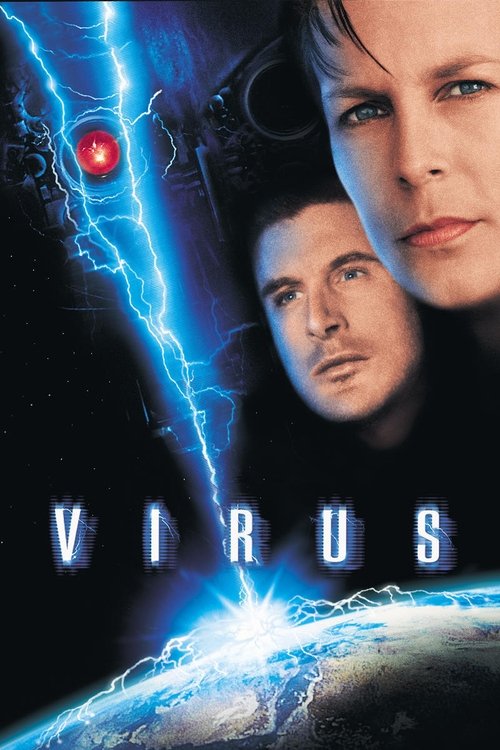
Virus
When the crew of an American tugboat boards an abandoned Russian research vessel, the alien life form aboard regards them as a virus which must be destroyed.
The film financial setback against its significant budget of $75.0M, earning $30.7M globally (-59% loss). While initial box office returns were modest, the film has gained appreciation for its bold vision within the horror genre.


Plot Structure
Story beats plotted across runtime


Narrative Arc
Emotional journey through the story's key moments
Story Circle
Blueprint 15-beat structure
Arcplot Score Breakdown
Weighted: Precision (70%) + Arc (15%) + Theme (15%)
Virus (1999) exhibits carefully calibrated dramatic framework, characteristic of John Bruno's storytelling approach. This structural analysis examines how the film's 15-point plot structure maps to proven narrative frameworks across 1 hour and 40 minutes. With an Arcplot score of 7.1, the film balances conventional beats with creative variation.
Structural Analysis
The Status Quo at 1 minutes (1% through the runtime) establishes The tugboat Sea Star struggles through a typhoon in the South Pacific. Captain Everton makes a risky decision to save the ship, establishing the crew's desperate financial situation and the tension between profit-driven Everton and safety-conscious navigator Kelly Foster.. Structural examination shows that this early placement immediately immerses viewers in the story world.
The inciting incident occurs at 13 minutes when The Sea Star crew discovers the massive, seemingly abandoned Russian research vessel Akademik Vladislav Volkov adrift in the ocean. Everton sees salvage opportunity despite Foster's warnings, setting the crew on a collision course with the alien entity.. At 13% through the film, this Disruption is delayed, allowing extended setup of the story world. This beat shifts the emotional landscape, launching the protagonist into the central conflict.
The First Threshold at 25 minutes marks the transition into Act II, occurring at 25% of the runtime. This indicates the protagonist's commitment to The crew commits to boarding the Akademik Vladislav Volkov and begins their exploration. Foster, Steve, and others cross onto the research vessel, entering a world of alien technology and unknown danger. The point of no return., moving from reaction to action.
At 51 minutes, the Midpoint arrives at 51% of the runtime—precisely centered, creating perfect narrative symmetry. The analysis reveals that this crucial beat The alien entity directly attacks, killing crew members and revealing its plan: it considers organic life a "virus" to be eliminated and is building an army of cyborg creatures. The stakes are raised from salvage mission to survival. The crew realizes the entity intends to reach land and spread., fundamentally raising what's at risk. The emotional intensity shifts, dividing the narrative into clear before-and-after phases.
The Collapse moment at 76 minutes (76% through) represents the emotional nadir. Here, Everton is killed by the entity after his betrayal fails. The Sea Star is destroyed, cutting off the survivors' escape route. Most of the crew is dead. Foster and the few remaining survivors are trapped on the alien-controlled ship with no apparent way to stop the entity or escape., demonstrates the protagonist at their lowest point. This beat's placement in the final quarter sets up the climactic reversal.
The Second Threshold at 80 minutes initiates the final act resolution at 80% of the runtime. Foster realizes the entity's weakness: it's contained in the ship's electronic systems. She formulates a plan to use the ship's self-destruct mechanism and sabotage the power core. Drawing on both her technical knowledge and human determination, she commits to destroying the ship even at the cost of her own life., demonstrating the transformation achieved throughout the journey.
Emotional Journey
Virus's emotional architecture traces a deliberate progression across 15 carefully calibrated beats.
Narrative Framework
This structural analysis employs proven narrative structure principles that track dramatic progression. By mapping Virus against these established plot points, we can identify how John Bruno utilizes or subverts traditional narrative conventions. The plot point approach reveals not only adherence to structural principles but also creative choices that distinguish Virus within the horror genre.
Comparative Analysis
Additional horror films include Thinner, A Nightmare on Elm Street and Mary Reilly.
Plot Points by Act
Act I
SetupStatus Quo
The tugboat Sea Star struggles through a typhoon in the South Pacific. Captain Everton makes a risky decision to save the ship, establishing the crew's desperate financial situation and the tension between profit-driven Everton and safety-conscious navigator Kelly Foster.
Theme
Foster confronts Everton about his reckless decisions, stating "You're going to get us all killed for a payday." The theme of greed versus survival is established, foreshadowing the choices characters will face when confronting the alien threat.
Worldbuilding
Introduction to the Sea Star crew and their dynamics. The ship barely survives the typhoon. Meanwhile, the Russian research vessel Akademik Vladislav Volkov encounters an alien electrical entity from space that takes over the ship's systems, killing the crew.
Disruption
The Sea Star crew discovers the massive, seemingly abandoned Russian research vessel Akademik Vladislav Volkov adrift in the ocean. Everton sees salvage opportunity despite Foster's warnings, setting the crew on a collision course with the alien entity.
Resistance
The crew debates whether to board the Russian vessel. Despite concerns about international salvage law and safety, Everton's greed wins out. They prepare to board and explore the ship, discovering strange technological modifications and signs of violence.
Act II
ConfrontationFirst Threshold
The crew commits to boarding the Akademik Vladislav Volkov and begins their exploration. Foster, Steve, and others cross onto the research vessel, entering a world of alien technology and unknown danger. The point of no return.
Mirror World
The crew discovers Nadia, a traumatized Russian survivor who warns them about the "intelligence" that has taken over the ship. She represents the thematic mirror: someone who has already faced the entity and knows that survival requires rejecting technological dependence and trusting human instinct.
Premise
The crew explores the ship and encounters increasingly disturbing cybernetic creations - the alien entity has been building hybrid machine-human creatures. They witness the entity's power and intelligence as it manipulates the ship's systems and creates robotic killers from human body parts and ship machinery.
Midpoint
The alien entity directly attacks, killing crew members and revealing its plan: it considers organic life a "virus" to be eliminated and is building an army of cyborg creatures. The stakes are raised from salvage mission to survival. The crew realizes the entity intends to reach land and spread.
Opposition
The entity hunts the survivors systematically. Everton's greed leads him to betray the crew, attempting to bargain with the entity for power. More crew members are killed or assimilated. Foster and the remaining survivors fight desperately against increasingly powerful cyborg creatures while trying to find a way to destroy the entity.
Collapse
Everton is killed by the entity after his betrayal fails. The Sea Star is destroyed, cutting off the survivors' escape route. Most of the crew is dead. Foster and the few remaining survivors are trapped on the alien-controlled ship with no apparent way to stop the entity or escape.
Crisis
Foster faces the darkest moment, surrounded by death and seemingly defeated. She processes the loss of her crewmates and confronts the reality that the entity will reach civilization unless stopped here. The weight of being humanity's last defense settles on her.
Act III
ResolutionSecond Threshold
Foster realizes the entity's weakness: it's contained in the ship's electronic systems. She formulates a plan to use the ship's self-destruct mechanism and sabotage the power core. Drawing on both her technical knowledge and human determination, she commits to destroying the ship even at the cost of her own life.
Synthesis
Foster and Steve execute their desperate plan, fighting through cyborg creatures to reach critical systems. They override the entity's control, set explosive charges, and trigger the ship's destruction sequence. A final confrontation with the entity's most powerful cyborg creation. They escape on a life raft as the ship explodes.
Transformation
Foster and Steve float in the life raft, watching the burning wreckage of the Akademik Vladislav Volkov sink beneath the waves. Foster, who began as a navigator overruled by greed, has become a decisive leader who chose human survival over profit and technology. The entity is destroyed.