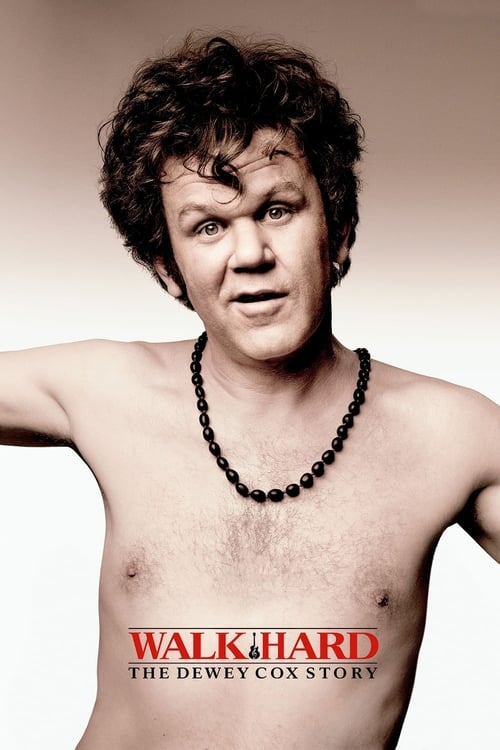
Walk Hard: The Dewey Cox Story
Following a childhood tragedy, Dewey Cox follows a long and winding road to music stardom. Dewey perseveres through changing musical styles, an addiction to nearly every drug known and bouts of uncontrollable rage.
The film disappointed at the box office against its respectable budget of $35.0M, earning $18.3M globally (-48% loss). While initial box office returns were modest, the film has gained appreciation for its bold vision within the comedy genre.
1 win & 6 nominations


Plot Structure
Story beats plotted across runtime


Narrative Arc
Emotional journey through the story's key moments
Story Circle
Blueprint 15-beat structure
Arcplot Score Breakdown
Weighted: Precision (70%) + Arc (15%) + Theme (15%)
Walk Hard: The Dewey Cox Story (2007) showcases carefully calibrated narrative design, characteristic of Jake Kasdan's storytelling approach. This structural analysis examines how the film's 15-point plot structure maps to proven narrative frameworks across 1 hour and 36 minutes. With an Arcplot score of 6.9, the film balances conventional beats with creative variation.
Structural Analysis
The Status Quo at 1 minutes (1% through the runtime) establishes Young Dewey Cox is an energetic 14-year-old in rural Alabama, 1946, living in poverty with his family. His older brother Nate is the golden child and talented musician, while Dewey is dismissed by his father as worthless.. Structural examination shows that this early placement immediately immerses viewers in the story world.
The inciting incident occurs at 9 minutes when During a machete fight game with Nate, Dewey accidentally cuts his brother in half, killing him. His father screams, "The wrong kid died!" This traumatic event becomes Dewey's defining wound and drives his entire journey to prove his worth.. At 10% through the film, this Disruption aligns precisely with traditional story structure. This beat shifts the emotional landscape, launching the protagonist into the central conflict.
The First Threshold at 22 minutes marks the transition into Act II, occurring at 23% of the runtime. This indicates the protagonist's commitment to Dewey decides to leave home and pursue music professionally. Despite Edith's warnings and his father's hostility, he marries Edith and hits the road with his band, fully committing to becoming a musician and proving he's not "nothing."., moving from reaction to action.
At 47 minutes, the Midpoint arrives at 49% of the runtime—precisely centered, creating perfect narrative symmetry. Structural examination shows that this crucial beat False victory: Dewey appears on a major TV variety show at the height of his fame, performing with elaborate production. He seems to have everything—success, adoration, beautiful women—but the cracks are showing. His marriage to Edith is failing, and his drug use is escalating. The stakes raise significantly., fundamentally raising what's at risk. The emotional intensity shifts, dividing the narrative into clear before-and-after phases.
The Collapse moment at 71 minutes (74% through) represents the emotional nadir. Here, Dewey overdoses in his hotel room and is rushed to the hospital. He flatlines and has a near-death experience where he sees his dead brother Nate, who tells him he's "lost his way." This is the literal "whiff of death"—Dewey nearly dies and faces his deepest failure., shows the protagonist at their lowest point. This beat's placement in the final quarter sets up the climactic reversal.
The Second Threshold at 76 minutes initiates the final act resolution at 79% of the runtime. Dewey has a breakthrough realization: he needs to return to authentic music and make things right with his family. He learns his estranged son is performing and decides to reconnect. He synthesizes his original love of music with the wisdom gained through his fall., demonstrating the transformation achieved throughout the journey.
Emotional Journey
Walk Hard: The Dewey Cox Story's emotional architecture traces a deliberate progression across 15 carefully calibrated beats.
Narrative Framework
This structural analysis employs systematic plot point analysis that identifies crucial turning points. By mapping Walk Hard: The Dewey Cox Story against these established plot points, we can identify how Jake Kasdan utilizes or subverts traditional narrative conventions. The plot point approach reveals not only adherence to structural principles but also creative choices that distinguish Walk Hard: The Dewey Cox Story within the comedy genre.
Jake Kasdan's Structural Approach
Among the 7 Jake Kasdan films analyzed on Arcplot, the average structural score is 7.0, reflecting strong command of classical structure. Walk Hard: The Dewey Cox Story takes a more unconventional approach compared to the director's typical style. For comparative analysis, explore the complete Jake Kasdan filmography.
Comparative Analysis
Additional comedy films include The Bad Guys, Ella Enchanted and The Evening Star. For more Jake Kasdan analyses, see Bad Teacher, Jumanji: Welcome to the Jungle and Orange County.
Plot Points by Act
Act I
SetupStatus Quo
Young Dewey Cox is an energetic 14-year-old in rural Alabama, 1946, living in poverty with his family. His older brother Nate is the golden child and talented musician, while Dewey is dismissed by his father as worthless.
Theme
Nate tells Dewey, "I'm gonna be a musician and you're gonna be nothing." This encapsulates the theme: Can someone written off as worthless find their own voice and meaning? The story explores redemption, identity, and the cost of fame.
Worldbuilding
Setup of the Cox family dynamics, rural Alabama poverty, and Dewey's inferior position. Nate is the talented one, their father is harsh and dismissive of Dewey. Establishes the "wrong kid died" dynamic that will haunt Dewey.
Disruption
During a machete fight game with Nate, Dewey accidentally cuts his brother in half, killing him. His father screams, "The wrong kid died!" This traumatic event becomes Dewey's defining wound and drives his entire journey to prove his worth.
Resistance
Dewey discovers music as his salvation, developing his sense of smell into a superpower and learning guitar. He meets Edith at school, falls in love, and begins performing. His father remains hostile, but Dewey debates whether to pursue music professionally despite family opposition.
Act II
ConfrontationFirst Threshold
Dewey decides to leave home and pursue music professionally. Despite Edith's warnings and his father's hostility, he marries Edith and hits the road with his band, fully committing to becoming a musician and proving he's not "nothing."
Mirror World
Dewey meets Darlene Madison, a backup singer who represents authenticity and true artistic partnership. Unlike Edith (who represents conventional domesticity), Darlene sees Dewey's real talent and challenges him to be genuine. She embodies the theme of finding one's true voice.
Premise
The "promise of the premise": Dewey's rise to fame through the 1950s-60s. Tours, hit records, television appearances, and increasingly absurd rock star behavior. He experiences success but also begins cheating on Edith with Darlene, experimenting with drugs, and losing touch with authenticity.
Midpoint
False victory: Dewey appears on a major TV variety show at the height of his fame, performing with elaborate production. He seems to have everything—success, adoration, beautiful women—but the cracks are showing. His marriage to Edith is failing, and his drug use is escalating. The stakes raise significantly.
Opposition
Dewey's life spirals: divorce from Edith, escalating drug addiction (from marijuana to cocaine to pills), increasingly erratic behavior, recording pretentious concept albums, alienating band members, and failed marriage to Darlene. His excess and ego catch up with him as he loses touch with what made his music meaningful.
Collapse
Dewey overdoses in his hotel room and is rushed to the hospital. He flatlines and has a near-death experience where he sees his dead brother Nate, who tells him he's "lost his way." This is the literal "whiff of death"—Dewey nearly dies and faces his deepest failure.
Crisis
Dewey goes to rehab and enters a dark period of reflection. He's lost everything: his career, his family, his credibility. He processes his addiction, his failed relationships, and the root trauma of being told he was worthless. He sits with the darkness of his choices.
Act III
ResolutionSecond Threshold
Dewey has a breakthrough realization: he needs to return to authentic music and make things right with his family. He learns his estranged son is performing and decides to reconnect. He synthesizes his original love of music with the wisdom gained through his fall.
Synthesis
The finale: Dewey reunites with Darlene, reconciles with his children, and stages a comeback concert. He confronts his father, who finally admits Dewey was the "right kid." Dewey performs authentically, heals his relationships, and reclaims his artistic integrity. The loose ends resolve.
Transformation
Closing image mirrors the opening: Dewey performs on stage, but now surrounded by his reunited family and band, at peace. He's no longer the worthless kid or the self-destructive superstar—he's found his authentic voice and proven his worth through connection, not just fame.